CRFR

Corticotropin-releasing factor receptor (CRFR) antagonists act on key receptors of the stress response. The peptide corticotropin-releasing factor (CRF) was characterized in 1981 as a 41-residue hypothalamic peptide that stimulates corticotropin secretion. Expression cloning of a human CRF receptor, now called CRF1, followed in 1993, and a second subtype, CRF2, was identified later. Through the hypothalamic-pituitary-adrenal (HPA) axis, CRF1 signaling links stress to glucocorticoid release and anxiety-like behavior. Most compounds here are small-molecule CRF1 antagonists, including pexacerfont, verucerfont, R-121919 and CP 376395. The list also holds Corticotropin Releasing Factor, bovine, and tetracosactide, a corticotropin fragment that acts on melanocortin receptors.

9 Items

  • Tetracosactide
    Cat. No.
    A18286

    Tetracosactide

    Synonyms: Tetracosactrin; ACTH(1–24)

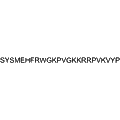
    Tetracosactide is a potent agonist of the melanocortin-4 receptor (MC4R), activating human MC4R with an EC50 of 0.65 nM. This synthetic analogue of adrenocorticotrophic hormone (ACTH) is known to stimulate the release of corticosteroids, including cortisol, from the adrenal gland. Tetracosactide is utilized in research investigating conditions such as ulcerative colitis, Crohn's disease, and various forms of arthritis, including juvenile and adult rheumatoid arthritis and osteoarthrosis.

    1 mg
    $45.00
    5 mg
    $100.00
    All 7 sizes
  • Urocortin, rat
    Cat. No.
    A23121

    Urocortin, rat

    Synonyms: Urocortin (Rattus norvegicus); Rat urocortin

    Urocortin, rat (Urocortin (Rattus norvegicus)) is a neuropeptide and a potent endogenous CRFR agonist with Kis of 13 nM, 1.5 nM, and 0.97 nM for human CRF1, rat CRF2α and mouse CRF2β, respectively.

    0.5 mg
    $160.00
    1 mg
    $180.00
    All 4 sizes
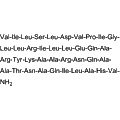
  • Urocortin, human
    Cat. No.
    A24294

    Urocortin, human

    Synonyms: Urocortin (human); Human urocortin; Human urocortin 1; Human urocortin I

    Urocortin, human, is a 40-amino acid neuropeptide that functions as a selective agonist of the endogenous corticotropin-releasing factor receptor 2 (CRF₂). It exhibits high binding affinity with Kᵢ values of 0.4 nM for human CRF₁, 0.3 nM for rat CRF₂α, and 0.5 nM for mouse CRF₂β. Urocortin plays a role in modulating stress responses, cardiovascular function, and feeding behavior.

    1 mg
    $135.00
    5 mg
    $405.00
    All 4 sizes
  • Urocortin II, human
    Cat. No.
    A36635

    Urocortin II, human

    Urocortin II, human is a selective agonist of the type-2 corticotropin-releasing factor (CRF2) receptor, exhibiting key biological activities that include promoting satiety and providing neuroprotective effects. This peptide also demonstrates bactericidal and antiparasitic properties, as well as pro-inflammatory activity. Additionally, Urocortin II, human can activate the NF-κB pathway and ERK1/2 MAP kinase, making it relevant for research in pulmonary arterial hypertension and cardiac protection. Its diverse applications extend to studies in infection, inflammation, metabolic disorders, neurological conditions, and cardiovascular diseases.

    1 mg
    $100.00
    5 mg
    $255.00
    All 5 sizes
  • Urocortin II, mouse
    Cat. No.
    A59731

    Urocortin II, mouse

    Urocortin II, mouse is a selective agonist of the type-2 corticotropin-releasing factor (CRF2) receptor, exhibiting a high affinity with a Ki value of 0.66 nM for CRFR2 and over 100 nM for CRFR1. It activates CRF2 receptors via cAMP/PKA and Ca2+/CaMKII signaling pathways. This peptide is predominantly expressed in specific regions of the central nervous system and plays a crucial role in processing visceral sensory information while modulating autonomic functions, making it valuable for research in neurobiology and stress response.

    1 mg
    $100.00
    5 mg
    $255.00
    All 3 sizes
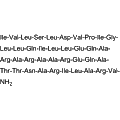
  • Urotensin I
    Cat. No.
    A59738

    Urotensin I

    Synonyms: Catostomus urotensin I

    Urotensin I is a CRF receptor agonist with high affinity for human CRF1, human CRF2, and rat CRF2α receptors, demonstrating pEC50 values of 11.46, 9.36, and 9.85, respectively. It exhibits inhibition constants (Kis) of 0.4 nM for hCRF1, 1.8 nM for rCRF2α, and 5.7 nM for mCRF2β receptors in CHO cells. This neuropeptide is valuable for research into stress response mechanisms and neuroendocrine regulation, making it a useful tool for studying the CRF signaling pathway and its implications in various physiological and pathological conditions.

    1 mg
    $295.00
    5 mg
    $915.00
    All 2 sizes
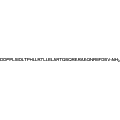
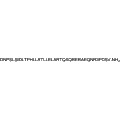
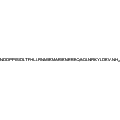
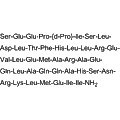
  • [DPro5] Corticotropin Releasing Factor, human, rat
    Cat. No.
    A59756

    [DPro5] Corticotropin Releasing Factor, human, rat

    [DPro5] Corticotropin Releasing Factor, human, rat is a selective agonist for the CRFR2 receptor, primarily involved in neuroendocrine response regulation. This molecule stimulates the release of adrenocorticotropic hormone (ACTH) and β-endorphin, contributing to various physiological responses. Notably, unlike traditional CRF peptides, [DPro5] does not induce anxiogenic effects, instead demonstrating potential to influence learning and memory processes in rat models. It serves as a valuable tool for investigating the role of CRFR2 in stress response and cognitive function.

    Out of stock

    All 3 sizes
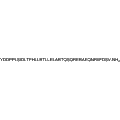
  • (Tyr0)-Urocortin, rat
    Cat. No.
    A59759

    (Tyr0)-Urocortin, rat

    (Tyr0)-Urocortin, rat is a high-affinity agonist for both corticotropin-releasing factor receptor type 1 (CRF-R1) and type 2 (CRF-R2). Exhibiting inhibitory binding constants (Ki) in the range of 1-2 nM, it is a key reagent for studying the role of CRF receptors in stress response and neuroendocrine signaling. This compound is particularly valuable for research into anxiety, depression, and related disorders, facilitating investigations into receptor-mediated pathways and therapeutic interventions.

    Out of stock

    All 3 sizes
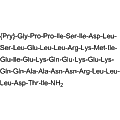
  • Sauvagine
    Cat. No.
    A59760

    Sauvagine

    Sauvagine, a 40-amino-acid neuropeptide and a potent corticotropin-releasing factor (CRF) agonist, is derived from the skin of the frog. It effectively stimulates the release of adrenocorticotropic hormone (ACTH) from rat pituitary cells. Additionally, sauvagine exhibits various pharmacological effects, influencing diuresis, cardiovascular function, and endocrine activity, making it a valuable tool for research in neurobiology and endocrinology.

    5 mg
    $990.00
    All 1 sizes

9 Items

Added to your cart

View Cart Checkout

    Loading...