- Cat. No.
- A10427
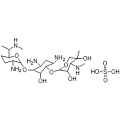
Gentamycin sulfate
Synonyms: Gentamicins; Gentamycinum; Cidomycin; Gentacycol
Gentamycin(Gentacycol) is an aminoglycoside antibiotic and was isolated from Micromonospora species
Search by product name, CAS, target or catalog number. Press Down Arrow to reach product suggestions, Tab to move between links, and Escape to close suggestions.
Anti-infectives brings together compounds that act on bacteria, fungi and viruses in microbiology research. They are used to study microbial growth, drug resistance and host-pathogen interactions. Its seven subcategories are Antibiotic, Bacterial, Fungal, Mycobacterium tuberculosis, HIV (human immunodeficiency virus), Dengue Virus and Flavivirus. Antibacterial examples include the oxazolidinone linezolid, the carbapenems imipenem and meropenem, and the glycylcycline tigecycline. Bedaquiline, a diarylquinoline, and pretomanid, a nitroimidazole, are used in Mycobacterium tuberculosis research. Among the antivirals, nelfinavir inhibits HIV-1 protease, an enzyme required for viral maturation. Compounds for a single viral enzyme or virus, such as reverse transcriptase or influenza virus, also have their own Microbiology categories.
Synonyms: Gentamicins; Gentamycinum; Cidomycin; Gentacycol
Gentamycin(Gentacycol) is an aminoglycoside antibiotic and was isolated from Micromonospora species
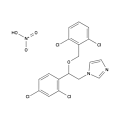
Synonyms: Adestan G 100; Fazol; Gyno-Travogen; R 15454; Travogyn
Isoconazole nitrate (Travogen) is an azole antifungal reagent.
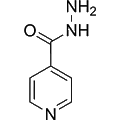
Synonyms: INH; Isonicotinic acid hydrazide; Isonicotinic hydrazide
Isoniazid is a prodrug that targets the bacterial enzyme catalase-peroxidase (KatG) for activation, leading to its bactericidal effects against rapidly dividing mycobacteria. This compound exhibits significant anti-tuberculostatic activity and is widely used in research focused on tuberculosis and other mycobacterial infections. Its mechanism of action makes it a valuable reagent for investigating bacterial resistance and developing novel therapeutic strategies.
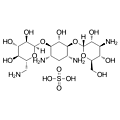
Synonyms: Kanamycin A monosulfate
Kanamycin sulfate is an aminoglycoside bacteriocidal antibiotic.
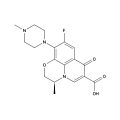
Synonyms: MP-376
Levofloxacin is a fluoroquinolone antibiotic. It is active against S. aureus, S. epidermidis, B. subtilis, E. coli, P. aeruginosa, and K. pneumoniae (MICs = 0.25, 0.25, 0.5, 0.03, 4, and 0.25 μg/ml, respectively).
Synonyms: SC47111A hydrochloride; NY-198 hydrochloride
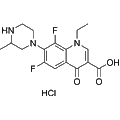
Lomefloxacin hydrochloride is a difluoroquinolone antibiotic that primarily targets bacterial topoisomerase II, inhibiting DNA supercoiling and replication. It exhibits broad-spectrum bactericidal activity against both Gram-positive and Gram-negative bacteria and induces reactive oxygen species (ROS) production, leading to apoptosis. Additionally, Lomefloxacin hydrochloride demonstrates anticancer effects, particularly against melanoma, making it a valuable reagent for studying systemic bacterial infections and skin malignancies.
Synonyms: ABT-378
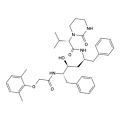
Lopinavir is an inhibitor of the HIV protease.
Synonyms: Adriamicina; Ciclobiotic; Germiciclin; Londomycin; Metacyclin hydrochloride; Metadomus; Methacycline; Physiomycine
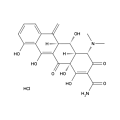
Methacycline hydrochloride (Physiomycine) is a tetracycline antibiotic.
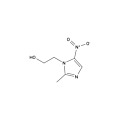
Metronidazole is a nitroimidazole antibiotic medication used particularly for anaerobic bacteria and protozoa.
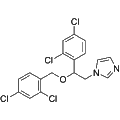
Synonyms: R18134
Miconazole is an imidazole antifungal agent that acts through the inhibition of ergosterol synthesis, disrupting fungal cell membrane integrity. In addition to its antifungal properties, Miconazole exhibits antibacterial effects, making it a versatile compound in microbiological studies. This reagent is commonly utilized in research focusing on antifungal therapies and mechanisms of microbial resistance.
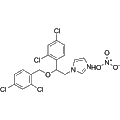
Synonyms: R18134 nitrate
Miconazole nitrate is an imidazole antifungal agent that exhibits its primary mechanism through the inhibition of ergosterol synthesis, leading to compromised fungal membrane integrity. This compound demonstrates significant antifungal activity against a broad spectrum of fungi, making it valuable for research in antifungal drug development and therapeutic applications. Additionally, Miconazole nitrate possesses antibacterial properties, contributing to its utility in studies related to infections and microbial resistance.
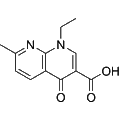
Nalidixic acid is a quinolone antibiotic that primarily targets DNA gyrase and topoisomerase IV, interfering with bacterial DNA replication. It exhibits a bacteriostatic effect at lower concentrations and becomes bactericidal at higher concentrations. Nalidixic acid is effective against both gram-positive and gram-negative bacteria, making it valuable for studies involving bacterial infections and resistance mechanisms in microorganisms.
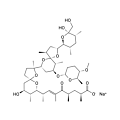
Nanchangmycin (dianemycin) is a polyether antibiotic with similar structure to dianemycin and is very active against a broad spectrum of harmful nematodes and insects but not for for mammals and plants.
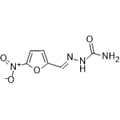
Synonyms: Nitrofural
Nitrofurazone is a nitro-aromatic antibacterial compound primarily targeting bacterial DNA and RNA synthesis. It exhibits broad-spectrum activity against both Gram-positive and Gram-negative bacteria, making it suitable for a variety of microbiological research applications. Nitrofurazone is often utilized in studies assessing antimicrobial resistance and the efficacy of antibiotic treatments.
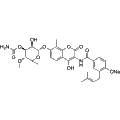
Synonyms: Albamycin sodium; Cathomycin sodium
Novobiocin sodium is a potent antibiotic that primarily targets DNA gyrase, exhibiting significant inhibitory action in various bacterial strains. Additionally, it acts as an antagonist of heat shock protein 90 (Hsp90), expanding its potential applicability in therapeutic research. Novobiocin sodium is particularly valuable for studies on beta-lactam-resistant pneumococcal infections and demonstrates anti-orthopoxvirus activity, highlighting its relevance in infectious disease research.
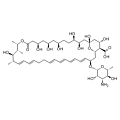
Nystatin is a polyene antifungal antibiotic effective against yeast and mycoplasma.
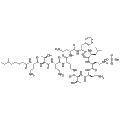
Synonyms: KS-1428
Polymyxin B Sulfate is a cationic surfactant antibiotic agent. A mixture of polymyxins B1 and B2, increases the permeability of the cell membrane.
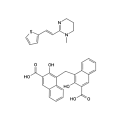
Synonyms: Pyrantel embonate
Pyrantel pamoate is a deworming agent in the treatment of hookworms (all species) and roundworms in domesticated animal; acts as a depolarizing neuromuscular blocking agent.
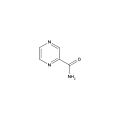
Synonyms: Aldinamide. a-Pyrazinamide; MK 56; Pyrazinecarboxamide; Pyrazinoic Acid; Amide; NSC 14911
Pyrazinamide is an antimycobacterial compound that inhibits the growth of the human M. tuberculosis H37Rv strain.
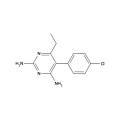
Synonyms: Pirimecidan; Pirimetamin; RP 4753
Pyrimethamine(RP4753) is a medication used for protozoal infections; interferes with tetrahydrofolic acid synthesis from folic acid by inhibiting the enzyme dihydrofolate reductase (DHFR).
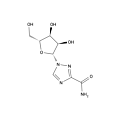
Ribavirin (ICN-1229) is an antiviral agent against a broad spectrum of viruses including HCV, HIVl, and RSV.
Synonyms: Xifaxan
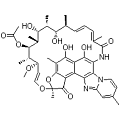
Rifaximin is a semisynthetic, rifamycin-based non-systemic antibiotic, meaning that very little of the drug will pass the gastrointestinal wall into the circulation as is common for other types of orally administered antibiotics.
Synonyms: Norvir; Norvir Softgel
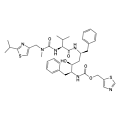
Ritonavir is a protease inhibitor with activity against Human Immunodeficiency Virus Type 1 (HIV-1). Protease inhibitors block the part of HIV called protease.Ritonavir inhibits the HIV viral proteinase enzyme which prevents cleavage of the gag-pol polyprotein, resulting in noninfectious, immature viral particles.
Synonyms: RU-28965
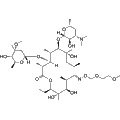
Roxithromycin is a semi-synthetic macrolide antibiotic that exerts its antibacterial effects by inhibiting protein biosynthesis at the elongation step through binding to the 50S subunit of the bacterial ribosome. This compound demonstrates broad biological activity, including antimicrobial, antiproliferative, and anti-inflammatory properties. Additionally, Roxithromycin has been shown to inhibit tumor vasculature and alleviate lung injury, making it a valuable reagent for research applications in infectious disease, cancer therapy, and respiratory health.
Synonyms: RP-14539; PM-185184
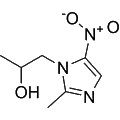
Secnidazole is an orally active azole antibiotic that primarily targets bacterial quorum sensing (QS) mechanisms. By inhibiting acylhomoserine lactones, Secnidazole attenuates the virulence of Pseudomonas aeruginosa and exhibits antimicrobial activity against a range of anaerobic Gram-negative and Gram-positive bacteria. This reagent is valuable for research applications related to diseases such as amoebiasis, giardiasis, and bacterial vaginitis, facilitating studies on their pathogenesis and treatment.