All Dyes

All Dyes is the single product list for the Fluorescent Dyes, Probes & Stains section. Many dyes here have no application or dye-family subcategory, so the list is the broadest way to browse the range. It suits searches by product name when the required dye is already known. Examples range from the near-infrared cyanine indocyanine green and the ratiometric calcium indicator Fura-2 pentapotassium to the nucleic acid stains Hoechst 33258 trihydrochloride and SYBR Green II. Classical stains such as hematoxylin, reactive labeling dyes and enzyme substrates are listed alongside them. For selection by task or by core structure, the parent Fluorescent Dyes, Probes & Stains page groups dyes by application and dye family.

Items 551-575 of 2505

  • NIR-Red Dead Cell-3 Dye
    Cat. No.
    A43805

    NIR-Red Dead Cell-3 Dye

    NIR-Red Dead Cell-3 Dye is a specialized dye with a primary mechanism for labeling and visualizing dead cells in biological samples. This reagent is essential for various applications, including monitoring cell viability, analyzing cellular structures, and distinguishing between live and dead cell populations. Its versatility makes it suitable for use in both basic research and clinical diagnostics, facilitating insights into cell behavior and tissue pathology. Additionally, it can be applied in emerging technologies, such as functional textiles and dye-sensitized solar cells.

    Out of stock

    All 3 sizes
  • Xylenol blue
    Cat. No.
    A43806

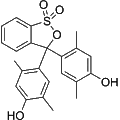
    Xylenol blue

    Xylenol blue is a multifunctional dye that serves as a valuable tool in biological research. It enhances the visualization and analysis of cell structures, facilitates the tracking of biomolecules, and aids in the evaluation of cell functions and differentiation. Additionally, Xylenol blue is utilized for detecting biomolecules, studying tissue pathology, and monitoring microorganisms. Its diverse applications extend from fundamental scientific studies to clinical diagnostics, as well as traditional and emerging industries such as textile processing and food pigmentation.

    1 mg
    $20.00
    5 mg
    $25.00
    All 6 sizes
  • 4,4'-Diamino-1,1'-iminodianthraquinone
    Cat. No.
    A43807

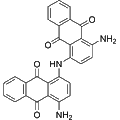
    4,4'-Diamino-1,1'-iminodianthraquinone

    4,4'-Diamino-1,1'-iminodianthraquinone is a versatile dye that targets various biological applications. This compound is vital for visualizing and analyzing cellular structures, tracking biomolecules, and distinguishing different cell types. Additionally, it plays a significant role in evaluating cell functions and studying tissue pathologies, making it an invaluable tool in both fundamental research and clinical diagnostics. Furthermore, this dye finds utility beyond the laboratory, extending into industries such as textile processing and energy through dye-sensitized solar cells.

    Out of stock

    All 3 sizes
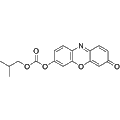
  • CytoRed
    Cat. No.
    A43808

    CytoRed

    Synonyms: 7-(Isobutyloxycarbonyloxy)-3H-phenoxazin-3-on

    CytoRed is a multifunctional dye characterized by its ability to interact with cellular components. It is utilized primarily in biological experiments to observe and analyze cell structures, track biomolecules, evaluate cell functions, and distinguish various cell types. Additionally, CytoRed is effective for detecting biomolecules, studying tissue pathology, and monitoring microorganisms. Its diverse applications expand across basic research, clinical diagnostics, and emerging fields such as functional textiles and dye-sensitized solar cells.

    Out of stock

    All 3 sizes
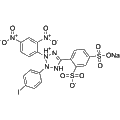
  • IPB
    Cat. No.
    A43809

    IPB

    IPB is a multifunctional dye with notable applications in biological research. This dye enables the observation and analysis of cell structures, tracking of biomolecules, and evaluation of cellular functions. Its versatility extends to distinguishing cell types, detecting biomolecules, and studying tissue pathology, making it an essential tool for both scientific research and clinical diagnostics. Additionally, IPB is applicable in traditional fields like textile dyeing and emerging areas such as functional textile processing, food pigments, and dye-sensitized solar cells.

    Out of stock

    All 3 sizes
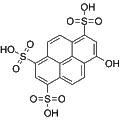
  • Pyranine free acid
    Cat. No.
    A43810

    Pyranine free acid

    Synonyms: HPTS free acid; Solvent Green 7 free acid

    Pyranine free acid is a pH-sensitive fluorescent indicator that exhibits strong fluorescence in response to pH changes. As a chemosensor, it selectively binds to Cu+ ions, making it valuable for applications in metal ion detection. Additionally, pyranine free acid serves as a coloring agent, biological stain, and optical detecting reagent, with excitation and emission wavelengths at 450 nm and 510 nm, respectively. Its versatility makes it suitable for various research applications in biosensing and environmental monitoring.

    Out of stock

    All 3 sizes
  • Chlorophenol red
    Cat. No.
    A43811

    Chlorophenol red

    Synonyms: Dichlorophenolsulphonephthalein

    Chlorophenol red (Dichlorophenolsulphonephthalein) is a multifunctional dye primarily used for various biological applications. It serves as a valuable tool for observing and analyzing cell structures, tracking biomolecules, evaluating cellular functions, distinguishing cell types, and detecting biomolecules. Additionally, this dye is essential in studying tissue pathology and monitoring microorganisms. Its versatility extends beyond research, with applications in clinical diagnostics, textile dyeing, food pigments, and innovative fields such as dye-sensitized solar cells.

    Out of stock

    All 3 sizes
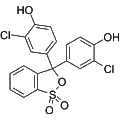
  • Bromophenol red (sultone form)
    Cat. No.
    A43812

    Bromophenol red (sultone form)

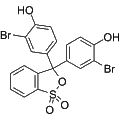
    Bromophenol red (sultone form) is a fluorescent dye that functions as a chemical indicator. It specifically binds to lysozyme, inhibiting its enzymatic activity against the bacterial cell wall, while leaving the polysaccharide component of peptidoglycan unaffected. This property makes it valuable for research applications in microbiology and biochemical assays, enabling the study of enzyme inhibition and bacterial cell wall dynamics.

    25 mg
    $20.00
    50 mg
    $25.00
    All 4 sizes
  • Fast green FCF free acid
    Cat. No.
    A43813

    Fast green FCF free acid

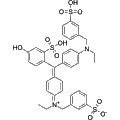
    Fast Green FCF free acid is a triarylmethane food dye known for its acid resistance. It exhibits significant biological activity by inhibiting α-synuclein aggregation, as well as interfering with Aβ, P2X4 receptor, and TLR4/Myd88/NF-κB signaling pathways. This reagent is extensively utilized as a quantitative stain for histones under alkaline conditions following DNA acid extraction, and it serves as a protein stain in electrophoresis applications. Additionally, Fast Green FCF free acid has been implicated in enhancing cognitive function, alleviating depression, mitigating pain allergies, and supporting reproductive health.

    Out of stock

    All 3 sizes
  • DNA intercalator 1
    Cat. No.
    A43814

    DNA intercalator 1

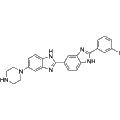
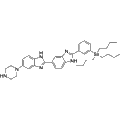
    DNA Intercalator 1 is a fluorescent dye that primarily targets DNA by intercalating between base pairs. This mechanism allows for effective DNA staining, providing high sensitivity and specificity. It is ideal for various research applications, including fluorescence microscopy, flow cytometry, and DNA quantification assays.

    25 mg
    $1,275.00
    50 mg
    $1,625.00
    All 3 sizes
  • DNA intercalator 2
    Cat. No.
    A43815

    DNA intercalator 2

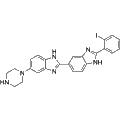
    DNA Intercalator 2 is a fluorescent dye that functions by intercalating between DNA base pairs. This compound enables the visualization of nucleic acids in biological samples, making it a valuable tool for applications such as DNA quantification, cell cycle analysis, and genomic studies. Its ability to bind DNA facilitates enhanced fluorescence, allowing for sensitive detection and analysis in various molecular biology assays.

    25 mg
    $1,275.00
    50 mg
    $1,625.00
    All 3 sizes
  • DNA intercalator 3
    Cat. No.
    A43816

    DNA intercalator 3

    DNA Intercalator 3 is a fluorescent dye that functions as a DNA intercalating agent, capable of binding to DNA structures. This compound exhibits high specificity and sensitivity for nucleic acids, making it suitable for various applications in molecular biology, including DNA visualization and quantification in gel electrophoresis and fluorescence microscopy. Its properties facilitate the study of DNA dynamics and interactions, providing valuable insights in genetic research and diagnostics.

    Out of stock

    All 3 sizes
  • Hexyl 5-aminolevulinate
    Cat. No.
    A43818

    Hexyl 5-aminolevulinate

    Synonyms: HAL

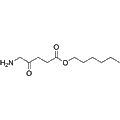
    Hexyl 5-aminolevulinate (HAL) is a potent photosensitizer utilized in photodynamic therapy (PDT). Its high lipophilicity enhances the efficacy of PDT by improving cellular uptake and localization. HAL is valuable for research applications aimed at evaluating therapeutic strategies for various cancers and other conditions responsive to PDT.

    25 mg
    $1,275.00
    50 mg
    $1,625.00
    All 3 sizes
  • L-ANAP TFA
    Cat. No.
    A43819

    L-ANAP TFA

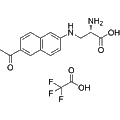
    L-ANAP TFA is a fluorescent unnatural amino acid (Uaa) that is genetically encodable and exhibits polarity-sensitive fluorescence characteristics. It is utilized in protein labeling and imaging applications, allowing for the study of protein dynamics and interactions in live cells. This reagent facilitates advanced research in protein engineering and biosensing, providing insights into cellular processes at the molecular level.

    0.5 mg
    $150.00
    1 mg
    $255.00
    All 3 sizes
  • MOR-CES2
    Cat. No.
    A43820

    MOR-CES2

    MOR-CES2 is a near-infrared fluorescent probe, with an excitation wavelength of 630 nm and an emission wavelength of 735 nm. This compound is designed to selectively identify cancer cells and tissues, while also providing a sensitive response to inflammation. MOR-CES2 has significant potential as an effective imaging tool to aid in the surgical resection of tumors associated with CES2, enhancing precision in oncological procedures.

    Out of stock

    All 3 sizes
  • Lophine
    Cat. No.
    A43821

    Lophine

    Synonyms: 2,4,5-Triphenylimidazole

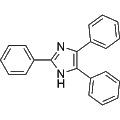
    Lophine is a fluorescent dye that functions as a chemiluminescent and fluorescent probe. It is commonly used for the detection of reactive oxygen species (ROS) in biological samples. Its unique properties make Lophine suitable for various research applications, including studies on oxidative stress and cellular signaling pathways. Researchers can utilize this reagent to enhance their understanding of ROS-related processes in living systems.

    200 mg
    $20.00
    5 g
    $25.00
    All 2 sizes
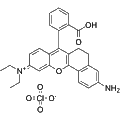
  • hMSCs-Neu perchlorate
    Cat. No.
    A43822

    hMSCs-Neu perchlorate

    hMSCs-Neu perchlorate is a fluorescent probe designed to facilitate the conversion of human mesenchymal stem cells (hMSCs) into neurons in the presence of fibroblast growth factor (FGF). This compound exhibits significant potential in studying neurogenesis and may contribute to advancements in neuropathology and neurodegeneration research. Its unique properties enable researchers to explore cellular mechanisms underlying neuronal differentiation, thereby enhancing understanding of neurological disorders.

    Out of stock

    All 3 sizes
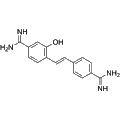
  • Hydroxystilbamidine
    Cat. No.
    A43823

    Hydroxystilbamidine

    Hydroxystilbamidine is a versatile DNA and RNA binding dye that acts as a potent inhibitor of cellular ribonucleases. This compound serves as a retrograde fluorescent tracer and is utilized in histochemical staining applications, making it valuable for research related to nucleic acid detection and cellular analysis. Its unique properties facilitate investigation into nucleolytic processes and aid in the visualization of RNA and DNA in various biological samples.

    1 mg
    $155.00
    2 mg
    $240.00
    All 8 sizes
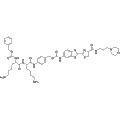
  • CTB probe-1
    Cat. No.
    A43824

    CTB probe-1

    CTB probe-1 is a lysosome-targeting fluorogenic probe designed for fluorescence imaging in live cells. This small-molecule probe allows for the visualization of lysosomal activity and dynamics, making it an essential tool for studying cellular processes related to lysosomes. Its application in biological research facilitates insights into lysosomal functions and their roles in various diseases, enhancing the understanding of cellular physiology.

    Out of stock

    All 3 sizes
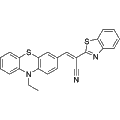
  • PTZ-LD
    Cat. No.
    A43826

    PTZ-LD

    PTZ-LD is a phenothiazine-derived fluorescent probe specifically designed for the detection of lipid droplets (LDs). This probe exhibits strong fluorescence within LDs, with excitation and emission wavelengths of 488 nm and 570-620 nm, respectively. PTZ-LD is a valuable tool for investigating lipid droplet dynamics and has applications in research related to diabetic cataracts.

    Out of stock

    All 3 sizes
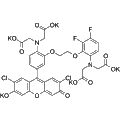
  • Fluo-3FF pentapotassium
    Cat. No.
    A43827

    Fluo-3FF pentapotassium

    Fluo-3FF pentapotassium is a cell-impermeant fluorescent calcium indicator that targets cytosolic calcium levels. As a di-fluorinated analog of Fluo-3, Fluo-3FF exhibits a significantly lower calcium affinity (Kds=42 μM) compared to Fluo-3, making it suitable for applications involving compartments with elevated calcium concentrations, such as the endoplasmic reticulum. This unique characteristic allows researchers to monitor and study luminal fluctuations in these high-calcium environments with greater sensitivity.

    1 mg
    $1,110.00
    All 1 sizes
  • LE 28
    Cat. No.
    A43828

    LE 28

    LE 28 is a selective and activity-dependent probe for legumain, becoming fluorescent exclusively upon binding to the active form of the enzyme. This property allows for the precise visualization of legumain activity in biological samples. LE 28 is useful for research applications in cancers and inflammatory diseases, facilitating studies on the role of legumain in pathological processes.

    Out of stock

    All 3 sizes
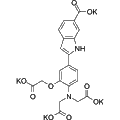
  • Mag-Indo-1 tetrapotassium salt
    Cat. No.
    A43829

    Mag-Indo-1 tetrapotassium salt

    Mag-Indo-1 tetrapotassium salt is a fluorescent probe designed for the detection of magnesium ions (Mg2+) in biological samples. This cell-impermeable reagent offers high selectivity and sensitivity for Mg2+ measurement, making it an invaluable tool for exploring magnesium-related physiological processes. It is widely applied in studies involving cellular signaling pathways, ion homeostasis, and the role of magnesium in various biological functions.

    Out of stock

    All 3 sizes
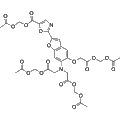
  • Mag-Fura-2 AM
    Cat. No.
    A43830

    Mag-Fura-2 AM

    Mag-Fura-2 AM is a fluorescent indicator specifically designed for the detection of intracellular calcium ions. This probe exhibits high sensitivity and low cytotoxicity, allowing for effective imaging of calcium dynamics within live cells. Once inside the cell, Mag-Fura-2 AM is hydrolyzed by intracellular esterases, resulting in a calcium-bound complex that emits strong fluorescence. It is widely utilized in research applications focusing on calcium signaling, providing insights into physiological and pathological processes.

    1 mg
    $780.00
    All 1 sizes
  • Mag-indo-1/AM
    Cat. No.
    A43832

    Mag-indo-1/AM

    Mag-indo-1/AM is a cell-permeable fluorescent indicator primarily designed for the detection of magnesium ions (Mg2+) and calcium ions (Ca2+) with an excitation wavelength range of 340-390 nm and emission range of 410-490 nm. This reagent enables researchers to assess intracellular concentrations of Mg2+ and Ca2+, making it a valuable tool for studies involving cellular signaling, ion homeostasis, and other physiological processes. Its fluorescence properties facilitate real-time monitoring of ion dynamics in live cells.

    Out of stock

    All 3 sizes
Items 551-575 of 2505

Added to your cart

View Cart Checkout

    Loading...