All Dyes

All Dyes is the single product list for the Fluorescent Dyes, Probes & Stains section. Many dyes here have no application or dye-family subcategory, so the list is the broadest way to browse the range. It suits searches by product name when the required dye is already known. Examples range from the near-infrared cyanine indocyanine green and the ratiometric calcium indicator Fura-2 pentapotassium to the nucleic acid stains Hoechst 33258 trihydrochloride and SYBR Green II. Classical stains such as hematoxylin, reactive labeling dyes and enzyme substrates are listed alongside them. For selection by task or by core structure, the parent Fluorescent Dyes, Probes & Stains page groups dyes by application and dye family.

Items 2076-2100 of 2505

  • PFI-6
    Cat. No.
    A87042

    PFI-6

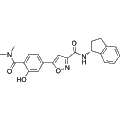
    PFI-6 is a selective probe targeting the YEATS domain of MLLT1 (ENL/YEATS1) and MLLT3 (AF9/YEATS3). It exhibits non-cytotoxic properties with IC50 values of 140 nM for MLLT1 and 160 nM for MLLT3, making it an effective tool for investigating the biological functions of MLLT1/3. This compound is suitable for research applications involving disease mechanisms and genome validation studies.

    5 mg
    $180.00
    All 1 sizes
  • 2,6-Dichlorophenolindophenol sodium hydrate
    Cat. No.
    A87249

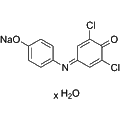
    2,6-Dichlorophenolindophenol sodium hydrate

    Synonyms: DCIP sodium hydrate; DPIP sodium hydrate

    2,6-Dichlorophenolindophenol sodium hydrate is a redox chromogenic indicator with a redox potential of +217 mV relative to the standard hydrogen electrode (SHE). This compound serves as a substrate for reduction reactions, enabling its utilization in various metabolic processes, notably in Saccharomyces cerevisiae, where it transitions from dark blue to colorless during nutrient metabolism, leading to a decrease in absorbance. Its applications extend to spectrophotometric biochemical oxygen demand measurements and preclinical colorimetric toxicity analyses, particularly for the detection of heavy metal ions using Saccharomyces cerevisiae as a biological model.

    100 mg
    $20.00
    250 mg
    $30.00
    All 4 sizes
  • Gly-Phe-AMC
    Cat. No.
    A87357

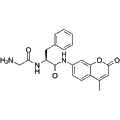
    Gly-Phe-AMC

    Gly-Phe-AMC is a fluorogenic peptide substrate that consists of a glycine-phenylalanine sequence linked to the fluorophore AMC. This compound is specifically utilized as a substrate for cathepsin C and is instrumental in detecting the activity of various proteases. Its ability to fluoresce upon cleavage makes Gly-Phe-AMC a valuable tool in biochemical assays and protease activity studies.

    1 mg
    $70.00
    5 mg
    $190.00
    All 3 sizes
  • Ioxilan
    Cat. No.
    A87408

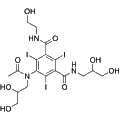
    Ioxilan

    Ioxilan is a low-osmolar, nonionic tri-iodinated contrast agent primarily used for diagnostic imaging. It facilitates radiographic visualization during excretory urography and contrast-enhanced computed tomography (CECT) of various anatomical regions. Following intravascular injection, Ioxilan provides opacification of blood vessels, enabling enhanced imaging of internal structures until significant hemodilution occurs. This compound is essential for improving diagnostic accuracy in clinical radiology.

    1 mg
    $80.00
    5 mg
    $165.00
    All 3 sizes
  • 6-Isothiocyanato-Fluorescein
    Cat. No.
    A87604

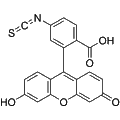
    6-Isothiocyanato-Fluorescein

    Synonyms: FITC Isomer Ⅱ

    6-Isothiocyanato-Fluorescein (FITC Isomer II) is a fluorescent dye used primarily as a biochemical assay reagent. It targets amine groups, enabling covalent labeling of proteins and other biomolecules. This property makes it valuable for various applications in cell biology, immunology, and fluorescence microscopy, facilitating the study of cellular processes and protein interactions.

    100 mg
    $25.00
    250 mg
    $45.00
    All 2 sizes
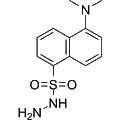
  • Dansyl hydrazine
    Cat. No.
    A87625

    Dansyl hydrazine

    Dansyl hydrazine is a biochemical assay reagent used primarily as a fluorescent tagging agent in various biological applications. Its properties enable the detection of carbonyl-containing compounds through selective hydrazone formation, facilitating studies in biomolecular interactions and metabolic processes. This compound is valuable for researchers conducting studies in proteomics, lipid research, and carbohydrate analysis.

    1 g
    $60.00
    5 g
    $230.00
    All 2 sizes
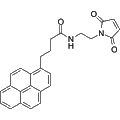
  • Pyrene maleimide
    Cat. No.
    A87658

    Pyrene maleimide

    Pyrene maleimide functions as a fluorescent probe with a terminal maleimide group that selectively reacts with thiol groups to form covalent bonds. This characteristic makes it valuable for labeling and tracking biomolecules in biochemical assays. It is widely utilized in studies involving protein conjugation, localization, and dynamics, enhancing the understanding of cellular processes and interactions.

    5 mg
    $170.00
    10 mg
    $260.00
    All 4 sizes
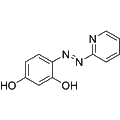
  • PAR
    Cat. No.
    A87687

    PAR

    PAR (p-Aminobenzoic Acid) is an azo dye that serves as a colorimetric reagent for the detection of metal ions. It forms stable chelates with various metal ions, enabling sensitive measurements in analytical applications. Additionally, PAR is capable of complexing with heavy metal ions in polar organic solvents, such as ethanol, making it useful for environmental and industrial analyses.

    1 g
    $25.00
    All 1 sizes
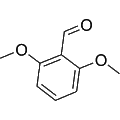
  • 2,6-Dimethoxybenzaldehyde
    Cat. No.
    A87795

    2,6-Dimethoxybenzaldehyde

    2,6-Dimethoxybenzaldehyde is a biochemical reagent that serves as a versatile organic compound in life science research. It is primarily utilized in the synthesis of various biologically active molecules and can act as a fluorescent probe. Its role in the development of pharmaceuticals and as a substrate in biochemical assays makes it valuable for a range of research applications in medicinal chemistry and molecular biology.

    500 mg
    $20.00
    10 g
    $25.00
    All 3 sizes
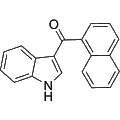
  • 3-(1-Naphthoyl)indole
    Cat. No.
    A87851

    3-(1-Naphthoyl)indole

    3-(1-Naphthoyl)indole is a chemical compound utilized as a biochemical assay reagent control. It acts as a fluorescent probe, aiding in the detection and characterization of various biochemical processes. Research applications include studies on protein interactions, enzyme activity, and cellular responses, making it a valuable tool in the fields of biochemistry and molecular biology.

    5 mg
    $20.00
    100 mg
    $30.00
    All 5 sizes
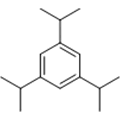
  • 1,3,5-Triisopropylbenzene
    Cat. No.
    A87871

    1,3,5-Triisopropylbenzene

    1,3,5-Triisopropylbenzene acts as a probe molecule primarily utilized to evaluate the surface acidity and accessibility of zeolite materials. This compound plays a crucial role in studying catalytic processes and material characterization. Additionally, it serves as a fuel and lubricant additive, enhancing performance in various applications, and acts as a micelle expansion agent in chemical research.

    5 g
    $20.00
    10 g
    $25.00
    All 5 sizes
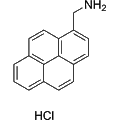
  • Pyren-1-ylmethanamine hydrochloride
    Cat. No.
    A87947

    Pyren-1-ylmethanamine hydrochloride

    Synonyms: 1-Pyrenemethylamine hydrochloride

    Pyren-1-ylmethanamine hydrochloride acts as a fluorescent probe for biochemical assays, allowing for the sensitive detection of nucleic acids, proteins, and other biomolecules in research applications. The strong fluorescence properties of the pyrene moiety facilitate its use in analytical chemistry, particularly in the detection of heavy metals and environmental pollutants. This compound is essential for researchers seeking to investigate molecular interactions and study biomolecular dynamics through fluorescence-based techniques.

    250 mg
    $20.00
    1 g
    $60.00
    All 2 sizes
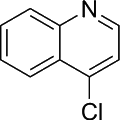
  • 4-Chloroquinoline
    Cat. No.
    A88118

    4-Chloroquinoline

    4-Chloroquinoline is a biochemical reagent characterized by its potential as a fluorescent probe and organic compound in life science research. This compound is utilized in various studies related to cellular processes and molecular interactions. Its unique structure enables exploration of biological pathways, making it a valuable tool in pharmacological and biochemical investigations.

    500 mg
    $20.00
    5 g
    $25.00
    All 3 sizes
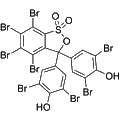
  • Tetrabromophenol blue, IND
    Cat. No.
    A88348

    Tetrabromophenol blue, IND

    Synonyms: TBPB; IND

    Tetrabromophenol blue is a biochemical reagent primarily used as a pH indicator. It exhibits colorimetric changes at different pH levels, making it useful in various biochemical assays and laboratory applications. This compound is instrumental in studies involving acid-base titration, protein electrophoresis, and as a tracking dye in gel electrophoresis. Its sensitivity to pH changes allows for precise monitoring of biological processes and reactions.

    250 mg
    $20.00
    500 mg
    $25.00
    All 4 sizes
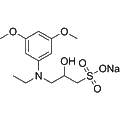
  • DAOS
    Cat. No.
    A88394

    DAOS

    DAOS is a chromogenic probe designed for diagnostic and biochemical applications. This highly water-soluble aniline derivative serves as an effective reagent in various assays, facilitating the detection of target compounds through colorimetric changes. Its distinctive properties enable reliable results in biochemical testing, making it a valuable tool for researchers in both clinical and laboratory settings.

    50 mg
    $25.00
    100 mg
    $30.00
    All 4 sizes
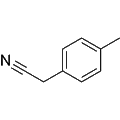
  • 4-Methylbenzyl cyanide
    Cat. No.
    A88423

    4-Methylbenzyl cyanide

    4-Methylbenzyl cyanide is an organic chemical probe that targets intramolecular rotation properties within molecules. This compound is valuable for research applications in NMR spectroscopy and physical chemistry, providing insights into molecular dynamics and behavior. Its utility in studying rotational characteristics aids in the understanding of complex molecular interactions.

    1 mg
    $20.00
    5 g
    $25.00
    All 5 sizes
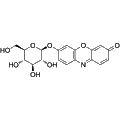
  • Resorufin-β-D-glucopyranoside, 98%
    Cat. No.
    A88443

    Resorufin-β-D-glucopyranoside, 98%

    Synonyms: 3-Phenoxazone 7-(β-D-glucopyranoside); 98%

    Resorufin-β-D-glucopyranoside is a fluorogenic substrate specifically designed for the detection and quantification of β-glucosidase activity. Upon enzymatic cleavage, it produces resorufin, a highly fluorescent compound that serves as an effective indicator of β-glucosidase presence in biological samples. This reagent is widely used in biochemical assays and studies involving enzyme activity, providing valuable insights into cellular and molecular processes.

    5 mg
    $125.00
    10 mg
    $200.00
    All 4 sizes
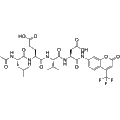
  • Ac-LEVD-AFC
    Cat. No.
    A88511

    Ac-LEVD-AFC

    Ac-LEVD-AFC is a fluorogenic substrate peptide specifically designed for the activity assays of caspase-4. This compound exhibits key biological activity by releasing a fluorescent signal upon cleavage by caspase-4, making it a valuable tool for studying apoptosis and inflammatory processes. It is suitable for various research applications, including cell death studies and the evaluation of caspase activity in different biological systems.

    1 mg
    $45.00
    5 mg
    $165.00
    All 2 sizes
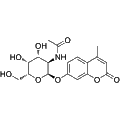
  • 4-Methylumbelliferyl 2-acetamido-2-deoxy-α-D-galactopyranoside
    Cat. No.
    A88517

    4-Methylumbelliferyl 2-acetamido-2-deoxy-α-D-galactopyranoside

    4-Methylumbelliferyl 2-acetamido-2-deoxy-α-D-galactopyranoside serves as a fluorogenic substrate for the assessment of α-galactosidase enzymatic activity. This compound is integral for analyzing enzyme kinetics in various biological samples, providing insights into the physiological roles of α-galactosidase. Additionally, it can be utilized for screening potential inhibitors or activators of this enzyme, facilitating research into its regulatory mechanisms and therapeutic targets.

    1 mg
    $45.00
    5 mg
    $190.00
    All 3 sizes
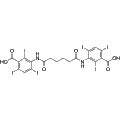
  • Iodipamide
    Cat. No.
    A88611

    Iodipamide

    Synonyms: Adipiodone

    Iodipamide is an ionic iodinated contrast agent primarily used for diagnostic imaging applications. It enhances the visualization of the bile ducts and gallbladder during X-ray examinations, facilitating the diagnosis of biliary tract conditions. Iodipamide's properties make it indispensable in radiological procedures that require clear delineation of anatomical structures.

    5 mg
    $30.00
    10 mg
    $50.00
    All 7 sizes
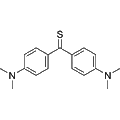
  • Thiomichler's ketone
    Cat. No.
    A88644

    Thiomichler's ketone

    Synonyms: 4,4'-Bis(dimethylamino)thiobenzophenone

    Thiomichler's ketone (4,4'-Bis(dimethylamino)thiobenzophenone) is primarily utilized as a metal chromogenic reagent. This compound exhibits high sensitivity and selectivity for the photometric determination of transition metals such as gold, palladium, platinum, mercury, silver, and copper. Its application in colorimetric assays makes it valuable for various analytical studies in biological and environmental research.

    500 mg
    $40.00
    1 g
    $60.00
    All 2 sizes
  • Sodium Glucoheptonate
    Cat. No.
    A88651

    Sodium Glucoheptonate

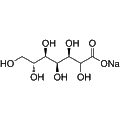
    Sodium Glucoheptonate serves as a precursor for the preparation of technetium-99m (Tc-99m) radiopharmaceuticals aimed at kidney and brain imaging. This compound exhibits affinity for renal and cerebral tissues, making it valuable in diagnostic applications, particularly for the detection of brain tumors. Its use in nuclear medicine facilitates enhanced imaging quality and accuracy in clinical diagnostics.

    5 g
    $25.00
    25 g
    $30.00
    All 3 sizes
  • Deg-1
    Cat. No.
    A88893

    Deg-1

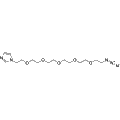
    Deg-1 is a bifunctional DNA probe that features both a cleavage group and a covalent binding moiety. It covalently attaches to target nucleic acids and acts as a click-degrader, enabling the selective cleavage of nucleic acid molecules within cells. Deg-1 contains an azide functional group, allowing it to engage in copper-catalyzed azide-alkyne cycloaddition (CuAAc) with alkyne-containing compounds, as well as ring strain-promoted alkyne-azide cycloaddition (SPAAC) with DBCO or BCN-linked molecules. This compound is valuable for applications in nucleic acid research and therapeutic development.

    5 mg
    $180.00
    10 mg
    $295.00
    All 5 sizes
  • Alkali blue 6B monosodium(IND)
    Cat. No.
    A89012

    Alkali blue 6B monosodium(IND)

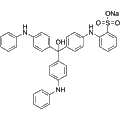
    Alkali Blue 6B monosodium (IND) is a basic dye known for its ability to interact with proteins, making it a valuable reagent in biochemical and medical research applications. It is particularly useful in protein adsorption studies, allowing for the analysis of protein dynamics and interactions. Additionally, the presence of sulfonate, amine, and hydroxyl functional groups enables Alkali Blue 6B monosodium (IND) to bind divalent heavy metal ions, which facilitates the removal of heavy metals from aqueous solutions.

    25 g
    $20.00
    50 g
    $35.00
    All 3 sizes
  • Dimethylsulfonazo III
    Cat. No.
    A89038

    Dimethylsulfonazo III

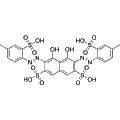
    Dimethylsulfonazo III is a sensitive sulfate indicator utilized for colorimetric detection of sulfate ions. It exhibits a strong affinity for sulfate and is especially effective in determining the presence of sulfate in samples that may also contain interfering ions such as potassium or phosphate. This reagent is valuable in various analytical applications, including environmental monitoring and biochemical assays, where accurate measurement of sulfate concentrations is essential.

    50 mg
    $65.00
    100 mg
    $105.00
    All 4 sizes

Items 2076-2100 of 2505

Added to your cart

View Cart Checkout

    Loading...