All Dyes

All Dyes is the single product list for the Fluorescent Dyes, Probes & Stains section. Many dyes here have no application or dye-family subcategory, so the list is the broadest way to browse the range. It suits searches by product name when the required dye is already known. Examples range from the near-infrared cyanine indocyanine green and the ratiometric calcium indicator Fura-2 pentapotassium to the nucleic acid stains Hoechst 33258 trihydrochloride and SYBR Green II. Classical stains such as hematoxylin, reactive labeling dyes and enzyme substrates are listed alongside them. For selection by task or by core structure, the parent Fluorescent Dyes, Probes & Stains page groups dyes by application and dye family.

Items 2051-2075 of 2505

  • TP-TRFS
    Cat. No.
    A77993

    TP-TRFS

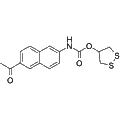
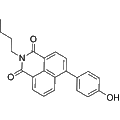
    TP-TRFS is a selective two-photon fluorescent probe designed to target thioredoxin reductase (TrxR). Its primary mechanism involves the detection of TrxR activity through fluorescence, making it a valuable tool for studying redox biology. This probe is particularly useful for research applications involving oxidative stress, cellular signaling, and cancer biology, enabling real-time monitoring of TrxR in live cells.

    Out of stock

    All 3 sizes
  • H-Tyr-AMC
    Cat. No.
    A78115

    H-Tyr-AMC

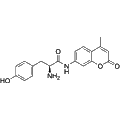
    H-Tyr-AMC is a fluorogenic substrate specifically designed for tyrosine aminopeptidases. Its biological activity includes serving as an inhibitor of tobacco and potato hydroxycinnamoyl-CoA:tyramine N-(hydroxycinnamoyl)transferase (THT), demonstrating Ki values of 0.72 μM and 0.42 μM, respectively. This compound is valuable for research applications involving enzyme kinetics and substrate specificity in plant biochemistry.

    Out of stock

    All 3 sizes
  • UGT1A1-IN-1
    Cat. No.
    A78117

    UGT1A1-IN-1

    UGT1A1-IN-1 is a non-competitive inhibitor of UGT1A1, effectively disrupting the 1-O-glucuronidation process mediated by this enzyme. With an IC50 and Ki value of 1.33 μM and 5.02 μM, respectively, this compound interacts with the UGT1A1 ligand-binding site, similar to bilirubin. UGT1A1-IN-1 is reactive in human liver microsomes, making it a valuable tool for investigating bilirubin metabolism disorders and can also serve as a fluorescent probe substrate for further research applications.

    1 mg
    $100.00
    5 mg
    $255.00
    All 6 sizes
  • 4-Methylumbelliferyl-β-D-glucuronide
    Cat. No.
    A78196

    4-Methylumbelliferyl-β-D-glucuronide

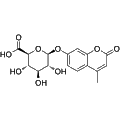
    4-Methylumbelliferyl-β-D-glucuronide is a fluorogenic substrate utilized for the detection of β-glucuronidase activity. Upon enzymatic hydrolysis, it emits fluorescence at an excitation wavelength of 362 nm and an emission wavelength of 445 nm. This compound serves as an effective tool in research applications aimed at quantifying β-glucuronidase activity and monitoring Escherichia coli populations.

    25 mg
    $25.00
    50 mg
    $40.00
    All 3 sizes
  • Direct Red 80
    Cat. No.
    A78230

    Direct Red 80

    Synonyms: Sirius Red

    Direct Red 80 is a polyazo dye primarily employed in histological staining techniques for collagen and amyloid detection. This reagent exhibits low toxicity and does not release benzidine upon degradation, making it a safer alternative to traditional direct dyes. It is extensively utilized in biological research for visualizing extracellular matrix components and pathological deposits.

    500 mg
    $25.00
    1 g
    $30.00
    All 2 sizes
  • BSB
    Cat. No.
    A78252

    BSB

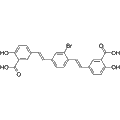
    Synonyms: (trans,trans)-1-Bromo-2,5-bis-(3-hydroxycarbonyl-4-hydroxy)styrylbenzene

    BSB is a Congo red-derived fluorescent probe that specifically targets amyloid β protein in extracellular spaces, as well as abnormal tau and synuclein protein aggregates within cells. Its primary mechanism involves selective binding, allowing for effective visualization of key pathological features associated with neurodegenerative diseases. BSB serves as a valuable imaging agent for Alzheimer's disease research, providing insights into amyloid and tau pathology.

    1 mg
    $45.00
    5 mg
    $115.00
    All 7 sizes
  • Astrophloxine
    Cat. No.
    A78282

    Astrophloxine

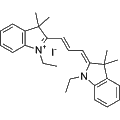
    Astrophloxine is a fluorescent imaging probe designed to selectively target antiparallel dimers. It exhibits the ability to detect aggregated amyloid-beta (Aβ) in both brain tissue and cerebrospinal fluid samples from Alzheimer's disease (AD) mouse models. This probe serves as a valuable tool for researchers studying the pathology of AD and developing potential therapeutic interventions.

    50 mg
    $20.00
    100 mg
    $25.00
    All 3 sizes
  • BTA-2
    Cat. No.
    A78432

    BTA-2

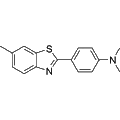
    BTA-2 is a benzothiazole dye that exhibits enhanced fluorescent signaling when bound to amyloid fibrils. Its unique absorption and emission properties in both solution and fibrillar states make it a valuable tool for identifying amyloid fibrils via spectroscopy. BTA-2 is particularly useful in research applications related to neurodegenerative diseases and the study of protein aggregation.

    25 mg
    $190.00
    50 mg
    $280.00
    All 4 sizes
  • Mca-SEVNLDAEFK(Dnp)
    Cat. No.
    A78481

    Mca-SEVNLDAEFK(Dnp)

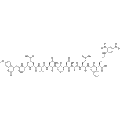
    Mca-SEVNLDAEFK(Dnp) is a fluorescent substrate peptide specifically designed for the estimation of Beta-secretase 1 (BACE-1) activity. Featuring the 'Swedish' mutation of the amyloid precursor protein (APP) β-secretase cleavage site, this substrate undergoes cleavage at the -Leu-Asp- bond, releasing the highly fluorescent 7-methoxycoumarin (Mca) fragment. This release results in a significant increase in fluorescence intensity due to the removal of the quenching effect from the 2,4-dinitrophenyl (Dnp) moiety, making it a valuable tool for research applications in Alzheimer’s disease and related studies of amyloid pathology.

    Out of stock

    All 3 sizes
  • β-Secretase substrate VI, fluorogenic
    Cat. No.
    A78495

    β-Secretase substrate VI, fluorogenic

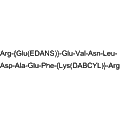
    Synonyms: RE(EDANS)EVNLDAEFK(DABCYL)R

    β-Secretase substrate VI, fluorogenic is a fluorogenic peptide labeled with EDANS and DABCYL, specifically designed for the measurement of β-site amyloid precursor protein cleaving enzyme 1 (BACE1) activity. This substrate enables the quantification of BACE1 enzymatic activity through fluorescence emission (Em=360nm, Ex=528nm), providing a direct correlation between enzyme activity levels and fluorescence intensity. It is an essential tool for researchers studying Alzheimer's disease and related amyloidogenic processes.

    Out of stock

    All 3 sizes
  • Methylene Violet 3RAX
    Cat. No.
    A78599

    Methylene Violet 3RAX

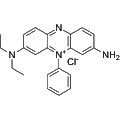
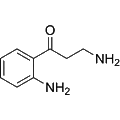
    Methylene Violet 3RAX is a phenazine dye primarily targeting mitochondria for cellular staining. This reagent can alter DNA molecular structure and induce the production of reactive singlet oxygen. It also exhibits inhibitory activity against human erythrocyte acetylcholinesterase (AChE) and human plasma butyrylcholinesterase (BChE) with inhibition constants (Ki) of 1.58 and 0.51 µM, respectively. Methylene Violet 3RAX is valuable for researching potential photosensitizers aimed at mitochondrial targeting in photodynamic therapy (PDT).

    100 mg
    $20.00
    500 mg
    $25.00
    All 6 sizes
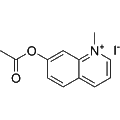
  • 7-Acetoxy-1-methylquinolinium iodide
    Cat. No.
    A78635

    7-Acetoxy-1-methylquinolinium iodide

    Synonyms: AMQI

    7-Acetoxy-1-methylquinolinium iodide is a fluorogenic substrate specifically targeting cholinesterase. Upon hydrolysis, it emits fluorescence at 410 nm when excited at 320 nm, facilitating the detection and identification of cholinesterase inhibitors. This compound is widely utilized in fluorometric assays, contributing significantly to biochemical research and drug discovery efforts focused on cholinergic pathways.

    25 mg
    $1,275.00
    50 mg
    $1,625.00
    All 3 sizes
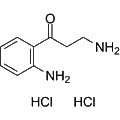
  • Kynuramine dihydrochloride
    Cat. No.
    A78981

    Kynuramine dihydrochloride

    Kynuramine dihydrochloride serves as a fluorescent substrate and probe for plasma amine oxidase. This compound is an endogenously occurring amine known for its role in amine metabolism. Its ability to interact with amine oxidases makes it valuable for research applications focused on enzymatic activity, neurobiology, and metabolic studies.

    5 mg
    $165.00
    10 mg
    $285.00
    All 2 sizes
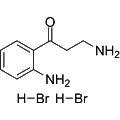
  • Kynuramine dihydrobromide
    Cat. No.
    A79060

    Kynuramine dihydrobromide

    Kynuramine dihydrobromide is a selective fluorescent substrate for plasma amine oxidase, facilitating the study of its enzymatic activity. This compound serves as a valuable probe in research applications aimed at understanding metabolic processes involving neurotransmitter degradation and related disorders. Its properties make it essential for exploring the role of amine oxidases in various physiological and pathological conditions.

    Out of stock

    All 3 sizes
  • Kynuramine
    Cat. No.
    A79076

    Kynuramine

    Synonyms: Kynurenamine

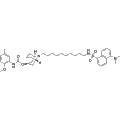
    Kynuramine is an endogenous amine that functions as a fluorescent substrate and probe for plasma amine oxidase. Its primary mechanism involves selective interaction with amine oxidase enzymes, facilitating the study of neurotransmitter degradation and metabolism. Kynuramine is commonly used in research applications focused on neurochemistry and the exploration of amine metabolism in various biological contexts.

    25 mg
    $1,275.00
    All 1 sizes
  • SW116 free base
    Cat. No.
    A79317

    SW116 free base

    SW116 free base is a selective fluorescent ligand for the sigma-2 receptor, exhibiting a binding affinity with a Ki value of 14 nM. This compound displays a maximal excitation wavelength of 333 nm and a maximal emission wavelength of 506 nm when dissolved in methanol. SW116 free base can be internalized by MDA-MB-435 cells, achieving 50% maximum fluorescent intensity within 24 minutes. Due to its properties, it serves as a valuable fluorescent probe in cancer research applications.

    Out of stock

    All 3 sizes
  • BODIPY FL thalidomide
    Cat. No.
    A80456

    BODIPY FL thalidomide

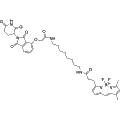
    BODIPY FL thalidomide is a high-affinity fluorescent probe that targets human cereblon protein, exhibiting a Kd value of 3.6 nM. This compound is utilized in research applications to study cereblon-mediated pathways and drug-protein interactions. Its fluorescent properties facilitate visualization in cellular assays, making it a valuable tool for investigating the roles of cereblon in various biological processes.

    1 mg
    $125.00
    5 mg
    $320.00
    All 4 sizes
  • BODIPY-Cyclopamine
    Cat. No.
    A84827

    BODIPY-Cyclopamine

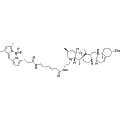
    BODIPY-Cyclopamine is a fluorescent ligand targeting the Smoothened (SMO) receptor, crucial for Hedgehog signaling pathway regulation. Dysregulation of this pathway is linked to tumorigenesis, making BODIPY-Cyclopamine valuable for research related to cancer biology. Utilizing the NanoBRET (Nanofluorescein bioluminescence resonance energy transfer) technique, this compound facilitates the sensitive detection of energy transfer between SMO and the fluorescent probe, enabling high-throughput screening and kinetic studies. Additionally, investigating the binding dynamics of BODIPY-Cyclopamine can assist in the development of SMO-targeted therapeutics.

    0.25 mg
    $435.00
    0.5 mg
    $750.00
    All 6 sizes
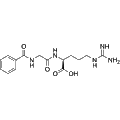
  • Hippuryl-Arg
    Cat. No.
    A85809

    Hippuryl-Arg

    Synonyms: Bz-Gly-Arg

    Hippuryl-Arg (Bz-Gly-Arg) functions as a substrate peptide and serves as a fluorescent indicator in biochemical research. It is specifically designed for the detection of enzymes that cleave peptide bonds adjacent to arginine residues. The compound's aromatic side chain enables visibility under ultraviolet light, facilitating studies on enzyme activity and substrate specificity. This reagent is essential for investigations into proteolytic processes and enzyme characterization in various biochemical applications.

    5 mg
    $30.00
    10 mg
    $45.00
    All 4 sizes
  • H-Gly-Gly-Arg-AMC
    Cat. No.
    A86302

    H-Gly-Gly-Arg-AMC

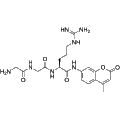
    H-Gly-Gly-Arg-AMC is a fluorogenic substrate designed for the continuous assessment of thrombin generation. This compound features a C-terminal 7-amino-4-methylcoumarin (AMC) moiety, which fluoresces upon cleavage. It is employed in research applications focusing on coagulation pathways and thrombin activity, enabling precise monitoring of thrombin dynamics in biological samples.

    Out of stock

    All 3 sizes
  • XTT sodium
    Cat. No.
    A86418

    XTT sodium

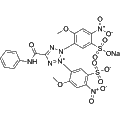
    XTT Sodium is a tetrazolium dye primarily utilized for assessing cell viability based on redox potential. Actively respiring cells reduce XTT, resulting in the formation of a water-soluble orange-colored formazan product. This reagent is commonly employed in cytotoxicity assays and proliferation studies to quantify cellular metabolic activity.

    5 mg
    $25.00
    10 mg
    $35.00
    All 5 sizes
  • 2,7-Dichlorodihydrofluorescein
    Cat. No.
    A86505

    2,7-Dichlorodihydrofluorescein

    Synonyms: DCFH2

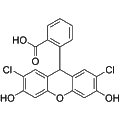
    2,7-Dichlorodihydrofluorescein (DCFH2) is a non-fluorescent probe specifically designed to detect reactive oxygen species (ROS). Upon hydrolysis by intracellular esterases, DCFH2 reacts with various ROS, including hydroxyl radicals, hydrogen peroxide, and peroxynitrite, to produce the highly fluorescent compound 2,7-dichlorofluorescein (DCF). The fluorescence intensity of DCF directly correlates with ROS levels, making it an essential reagent for quantitatively assessing oxidative stress. This compound is suitable for both in vitro and in vivo applications, including oxidative stress analysis in cell models and targeted delivery studies, such as those utilizing liver-targeted liposomes.

    2 mg
    $30.00
    5 mg
    $45.00
    All 5 sizes
  • Fmoc-OSu
    Cat. No.
    A86506

    Fmoc-OSu

    Synonyms: N-(Fmoc-oxy)succinimide

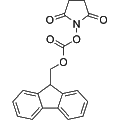
    Fmoc-OSu (N-(Fmoc-oxy)succinimide) acts as an acylating agent that primarily targets amino groups (-NH2). It enables selective protection of amino groups in amino acids by forming stable amide bonds via nucleophilic substitution, thereby facilitating peptide synthesis while preventing side reactions. Additionally, Fmoc-OSu serves as a fluorescent labeling reagent for glycosylamines, making it useful for the efficient labeling and analysis of N-sugar chains. This reagent is ideal for applications in peptide synthesis and carbohydrate research.

    5 g
    $20.00
    25 g
    $25.00
    All 2 sizes
  • Boc-LRR-AMC
    Cat. No.
    A86760

    Boc-LRR-AMC

    Synonyms: Boc-Leu-Arg-Arg-AMC

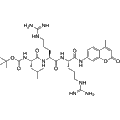
    Boc-LRR-AMC is a fluorogenic substrate designed to detect the trypsin-like activity of both the 26S proteasome and the 20S proteasome core. Its highly sensitive fluorescence allows for precise measurement of proteasomal activity in various biological samples. Boc-LRR-AMC is valuable for research applications involving protein degradation, cellular regulation, and proteasome function assessment.

    1 mg
    $30.00
    5 mg
    $100.00
    All 4 sizes
  • Florbetapir
    Cat. No.
    A86848

    Florbetapir

    Synonyms: AV-45; Flobetapir

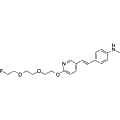
    Florbetapir is a positron emission tomography (PET) imaging agent that incorporates the radionuclide fluorine-18. It is utilized for the in vivo visualization of amyloid plaques in the brain, aiding in the diagnosis and monitoring of Alzheimer’s disease and other neurological disorders. This radiopharmaceutical compound is designed to enhance the accuracy of neuroimaging studies focusing on Alzheimer's pathology.

    1 mg
    $185.00
    5 mg
    $475.00
    All 5 sizes

Items 2051-2075 of 2505

Added to your cart

View Cart Checkout

    Loading...