All Dyes

All Dyes is the single product list for the Fluorescent Dyes, Probes & Stains section. Many dyes here have no application or dye-family subcategory, so the list is the broadest way to browse the range. It suits searches by product name when the required dye is already known. Examples range from the near-infrared cyanine indocyanine green and the ratiometric calcium indicator Fura-2 pentapotassium to the nucleic acid stains Hoechst 33258 trihydrochloride and SYBR Green II. Classical stains such as hematoxylin, reactive labeling dyes and enzyme substrates are listed alongside them. For selection by task or by core structure, the parent Fluorescent Dyes, Probes & Stains page groups dyes by application and dye family.

Items 2201-2225 of 2505

  • Suc-Ala-Phe-Lys-AMC
    Cat. No.
    B11010

    Suc-Ala-Phe-Lys-AMC

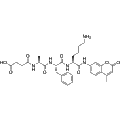
    Suc-Ala-Phe-Lys-AMC is a fluorogenic substrate specific for plasmin, enabling sensitive detection and quantification of enzymatic activity. This compound is also utilized in assays for the gingipain K enzyme, facilitating research on pathological processes related to periodontal diseases. Its ability to generate fluorescence upon cleavage makes it a valuable tool for studying proteolytic activity in various biological contexts.

    1 mg
    $40.00
    5 mg
    $80.00
    All 3 sizes
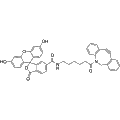
  • FAM DBCO, 6-isomer
    Cat. No.
    B11011

    FAM DBCO, 6-isomer

    FAM DBCO, 6-isomer is a fluorescent dye that incorporates a terminal dibenzocyclooctyne (DBCO) group, allowing for copper-free Click Chemistry applications. This compound exhibits high reactivity due to its strained structure, facilitating the efficient formation of covalent bonds in bioconjugation reactions. FAM DBCO can be utilized in a variety of biological applications, including cell labeling, tracking, and imaging studies.

    5 mg
    $145.00
    10 mg
    $240.00
    All 3 sizes
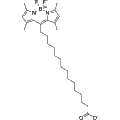
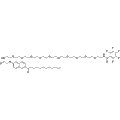
  • BODIPY-Palmitate
    Cat. No.
    B11012

    BODIPY-Palmitate

    BODIPY-Palmitate is a fluorescently labeled derivative of palmitic acid, exhibiting excitation and emission maxima at 488 nm and 508 nm, respectively. This reagent is utilized for the detection of fatty acid uptake and metabolism in various biological systems. Its fluorescent properties make it an effective tool for studying lipid dynamics and cellular fatty acid processing in live-cell imaging studies.

    0.1 mg
    $340.00
    1 mg
    $440.00
    All 4 sizes
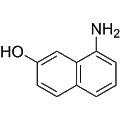
  • 8-Amino-2-naphthol
    Cat. No.
    B11013

    8-Amino-2-naphthol

    8-Amino-2-naphthol functions as a fluorescent probe through its unique photoactive charge transfer properties. Under acidic conditions, it undergoes excited-state proton transfer (ESPT) to form a zwitterion, allowing the protonation state of the amino group to modulate the photoacidity of its hydroxyl group, effectively enabling pH-dependent fluorescence. Additionally, this compound serves as a chiral organocatalyst in various organic synthesis applications.

    25 mg
    $20.00
    50 mg
    $25.00
    All 5 sizes
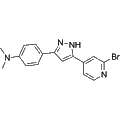
  • MODAG-001
    Cat. No.
    B11014

    MODAG-001

    MODAG-001 is a candidate imaging probe that selectively binds to alpha-synuclein (α-syn) fibrils, making it a valuable tool in neurodegenerative disease research. This compound can facilitate the detection and visualization of α-syn aggregates in brain tissues, particularly in models of synucleinopathies. Its unique binding properties position MODAG-001 as a promising reagent for advancing studies related to Parkinson's disease and related disorders.

    5 mg
    $55.00
    10 mg
    $100.00
    All 5 sizes
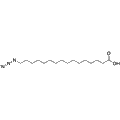
  • 16-Azidohexadecanoic acid
    Cat. No.
    B11017

    16-Azidohexadecanoic acid

    16-Azidohexadecanoic acid is a synthetic fatty acid acting as a molecular probe for studying fatty acid metabolism. With its azide functional group, it serves as a versatile reagent for click chemistry, specifically enabling copper-catalyzed azide-alkyne cycloaddition (CuAAc) with alkyne-containing substrates. Additionally, it can participate in strain-promoted alkyne-azide cycloaddition (SPAAC) with DBCO or BCN-modified molecules, facilitating bioconjugation applications in chemical biology research.

    5 mg
    $55.00
    10 mg
    $90.00
    All 4 sizes
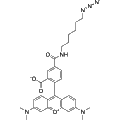
  • Tamra azide
    Cat. No.
    B11019

    Tamra azide

    Tamra azide is a versatile, azide-terminated fluorescent dye utilized primarily in click chemistry applications. It participates in CuI-catalyzed cycloaddition reactions with alkyne-functionalized nanodiamonds, enabling stable conjugation. Once attached, Tamra azide acts as a fluorescent label, exhibiting characteristic luminescence when excited at a wavelength of 555 nm with emission at 580 nm. This compound is valuable for a variety of imaging and labeling applications in chemical biology and materials science.

    1 mg
    $70.00
    5 mg
    $180.00
    All 6 sizes
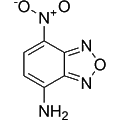
  • NBD-amine
    Cat. No.
    B11021

    NBD-amine

    NBD-amine is a fluorogenic amine that exhibits fluorescence properties dependent on the environment. It demonstrates weak fluorescence in aqueous solutions while emitting strong fluorescence in organic solvents, membranes, or hydrophobic settings. This compound is primarily utilized in studies requiring the visualization of amines and can serve as a useful tool in cellular imaging and membrane-targeted applications.

    5 mg
    $20.00
    10 mg
    $30.00
    All 5 sizes
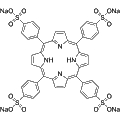
  • TSPP (tetrasodium)
    Cat. No.
    B11022

    TSPP (tetrasodium)

    Tetrasodium tetrasodium (TSPP) is a potent photosensitizer primarily targeting cancer cells and microorganisms. It exhibits significant efficacy in inducing in vivo regression in various cancer models and effectively addresses microbial infections. This compound is valuable for research applications in photodynamic therapy and related fields, facilitating studies on light-mediated therapeutic strategies.

    100 mg
    $25.00
    250 mg
    $35.00
    All 2 sizes
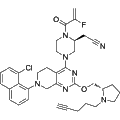
  • MRTX849 analog 24
    Cat. No.
    B11023

    MRTX849 analog 24

    MRTX849 analog 24 is an alkyne-containing click probe designed to target KRAS G12C. This compound serves as a valuable tool for investigating the biological function and pharmacological properties of MRTX849. It is applicable in research focused on KRAS-related signaling pathways and therapeutic strategies for cancers driven by KRAS mutations.

    5 mg
    $640.00
    10 mg
    $1,050.00
    All 2 sizes
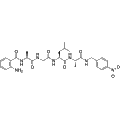
  • Abz-AGLA-Nba
    Cat. No.
    B11024

    Abz-AGLA-Nba

    Abz-AGLA-Nba is a fluorogenic substrate specifically designed for the detection and quantification of protease activity. Upon hydrolysis, it releases aminoacyl benzimide (Abz-AGLA) and 2-naphthylaminoacyl (Nba), with Abz-AGLA exhibiting fluorescence under ultraviolet light. This property enables sensitive monitoring of protease interactions and enzymatic activity in various biological research applications.

    1 mg
    $50.00
    5 mg
    $125.00
    All 4 sizes
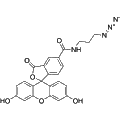
  • FAM azide, 5-isomer
    Cat. No.
    B11027

    FAM azide, 5-isomer

    FAM azide, 5-isomer is a fluorescent dye commonly used in Click Chemistry for bioconjugation applications. This compound facilitates the labeling of biomolecules with minimal cytotoxicity, enhancing the visualization of cellular structures and processes. Its high fluorescence intensity makes it suitable for various applications, including live-cell imaging, biomolecule tracking, and the development of fluorescent probes in research and diagnostic assays.

    5 mg
    $30.00
    10 mg
    $55.00
    All 5 sizes
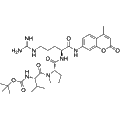
  • Boc-Val-Pro-Arg-AMC
    Cat. No.
    B11029

    Boc-Val-Pro-Arg-AMC

    Boc-Val-Pro-Arg-AMC acts as a fluorogenic substrate specifically for assessing the activity of trypsin-like serine proteases. Upon cleavage by these enzymes, it releases an AMC (7-amino-4-methylcoumarin) fluorophore, enabling sensitive quantification of protease activity. This reagent is particularly useful in biochemical assays focusing on serine protease research and can aid in the study of various physiological and pathological processes where proteolytic activity is implicated.

    5 mg
    $125.00
    10 mg
    $210.00
    All 2 sizes
  • [Ir(ppy)2(bpy)]PF6
    Cat. No.
    B11031

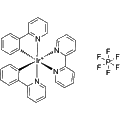
    [Ir(ppy)2(bpy)]PF6

    Ir(ppy)2(bpy)PF6 is a cyclometalated iridium (III) photosensitizer that effectively facilitates visible light-induced water splitting. This compound plays a crucial role in homogeneous photocatalytic systems aimed at hydrogen production, demonstrating significant potential for renewable energy applications. Researchers utilize Ir(ppy)2(bpy)PF6 to explore efficient photocatalytic processes under visible light, making it a valuable reagent for studies in solar energy conversion and sustainable fuel production.

    100 mg
    $50.00
    250 mg
    $115.00
    All 4 sizes
  • 9-Aminophenanthrene
    Cat. No.
    B11032

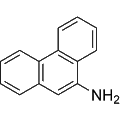
    9-Aminophenanthrene

    9-Aminophenanthrene is a polycyclic aromatic amine utilized primarily as a fluorescent labeling reagent for free fatty acids (FFA). This compound exhibits notable fluorescence properties, enabling the detection and analysis of fatty acids in various biological samples. Its application is essential in research focused on lipid metabolism and fatty acid signaling pathways.

    25 mg
    $25.00
    250 mg
    $30.00
    All 7 sizes
  • 4-Methylumbelliferyl β-D-cellobioside
    Cat. No.
    B11036

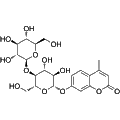
    4-Methylumbelliferyl β-D-cellobioside

    4-Methylumbelliferyl β-D-cellobioside is a fluorescent substrate specifically designed for the enzymatic study of cellulase activity. It undergoes hydrolysis, producing the fluorescent compound 4-methylumbelliferone, which serves as a valuable indicator for quantifying cellulase kinetics. This reagent is particularly useful in biochemical assays for investigating cellulose degradation and enzyme kinetics in cellulolytic microorganisms.

    10 mg
    $25.00
    25 mg
    $50.00
    All 4 sizes
  • 2,4,6-Trimethylphenol
    Cat. No.
    B11037

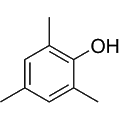
    2,4,6-Trimethylphenol

    2,4,6-Trimethylphenol functions primarily as a fluorescent dye and exhibits reactivity with organic matter (3DOM). This compound is rapidly oxidized by singlet oxygen in aqueous solutions, making it a valuable tool for studying oxidative processes in biological systems and environmental research. It is effectively utilized in applications involving fluorescence-based detection and analysis.

    100 mg
    $20.00
    500 mg
    $25.00
    All 6 sizes
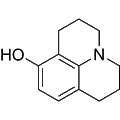
  • 8-Hydroxyjulolidine
    Cat. No.
    B11038

    8-Hydroxyjulolidine

    8-Hydroxyjulolidine is a chromophore that serves as a key component in fluorescent probes designed for detecting weak acid ions. This compound can be utilized to synthesize the salicylaldehyde derivative 9-formyl-8-hydroxyjulolidine, which demonstrates a high sensitivity for detecting pH changes related to hydrogen sulfide and silicate in aqueous solutions. The versatility of 8-Hydroxyjulolidine makes it valuable in a variety of chemical research applications involving acid-base interactions.

    100 mg
    $25.00
    5 g
    $40.00
    All 5 sizes
  • ER-Laurdan
    Cat. No.
    B11042

    ER-Laurdan

    ER-Laurdan is a specialized fluorescent probe targeting the endoplasmic reticulum (ER) with a high degree of membrane permeability. This derivative of Laurdan serves as a membrane fluidity reporter, localizing specifically to the ER luminal membrane and exhibiting a strong solvatochromic response to variations in membrane fluidity, influenced by membrane packing and saturated fatty acid stress. Its distinct localization allows for quantitative analysis of ER membrane fluidity through generalized polarization ratio measurements and facilitates the use of ER markers for automatic signal masking. ER-Laurdan is a crucial tool for studying metabolic disorders and elucidating alterations in the physical properties of cell membranes.

    1 mg
    $320.00
    All 1 sizes
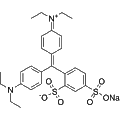
  • Acid blue 1
    Cat. No.
    B11043

    Acid blue 1

    Synonyms: Xylene blue; C.I. Acid blue 1

    Acid Blue 1, known as Patent Blue V, serves as a biological dye primarily utilized in intraocular procedures such as retinectomy, where the inner limiting membrane (ILM) is removed. Its application facilitates the complete removal of translucent structures during vitreoretinal surgery by effectively staining retinal premembranous components. Spectral analysis indicates strong absorption below 450 nm and above 600 nm, resulting in its distinctive blue-green coloration. Additionally, Acid Blue 1 is employed as a marker in lymphangiography to aid in the resection of neoplastic lymph nodes, thereby enhancing surgical precision in oncological applications.

    100 mg
    $30.00
    500 mg
    $70.00
    All 2 sizes
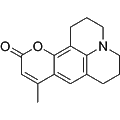
  • Coumarin 480
    Cat. No.
    B11045

    Coumarin 480

    Synonyms: Coumarin 102

    Coumarin 480, a laser dye, exhibits strong fluorescence properties, making it suitable for applications in fluorescence microscopy and spectroscopy. Its high quantum yield and stability under various conditions make it a valuable reagent for studying biomolecular interactions and cellular dynamics. Coumarin 480 is often utilized in dye-laser systems and as a tracer in various experimental setups in chemical and biological research.

    25 mg
    $20.00
    50 mg
    $25.00
    All 4 sizes
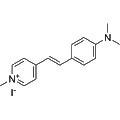
  • (E)-4-(4-(Dimethylamino)styryl)-1-methylpyridin-1-ium iodide
    Cat. No.
    B11046

    (E)-4-(4-(Dimethylamino)styryl)-1-methylpyridin-1-ium iodide

    (E)-4-(4-(Dimethylamino)styryl)-1-methylpyridin-1-ium iodide is a styryl-based fluorescence dye that emits light upon excitation. With an absorption maximum at 450 nm and emission maximum at 615 nm, this compound is effective for fluorescence and circular dichroism sensing of diverse double-stranded DNA and RNA sequences. It is a valuable tool in nucleic acid research and clinical diagnostics, facilitating the study of biomolecular interactions and structures.

    100 mg
    $20.00
    500 mg
    $40.00
    All 3 sizes
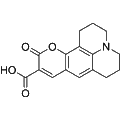
  • Coumarin 343
    Cat. No.
    B11047

    Coumarin 343

    Synonyms: C343

    Coumarin 343 is a hydrophilic fluorescent probe primarily used for micro water pool applications. It exhibits strong fluorescence with an emission wavelength (λem) of approximately 425 nm and can be detected in the range of 425 nm to 550 nm. This compound is suitable for various biological imaging and analytical techniques, providing insights into molecular interactions and cellular processes.

    50 mg
    $20.00
    100 mg
    $30.00
    All 2 sizes
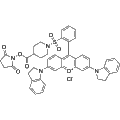
  • QSY 21 NHS
    Cat. No.
    B11048

    QSY 21 NHS

    QSY 21 NHS is a dark quencher that serves as an efficient energy transfer acceptor for far-red and near-infrared fluorescent probes. Operating within a wavelength range of 540-750 nm, it is primarily utilized in Förster resonance energy transfer (FRET) applications, where it does not exhibit fluorescence under standard conditions. The NHS ester functionality enables labeling of primary amines in proteins, amine-modified oligonucleotides, and various amine-containing molecules. Additionally, QSY 21 NHS can be conjugated with dendritic poly-L-lysine to facilitate intramolecular quenching of Cy5 fluorescence.

    5 mg
    $335.00
    10 mg
    $515.00
    All 2 sizes
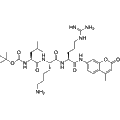
  • Boc-Leu-Lys-Arg-AMC
    Cat. No.
    B11050

    Boc-Leu-Lys-Arg-AMC

    Boc-Leu-Lys-Arg-AMC is a fluorogenic substrate specifically designed for the Kex2 endoprotease. This compound exhibits high sensitivity and selectivity, enabling real-time monitoring of Kex2 activity. It is widely utilized in biochemical assays to study protease function and characterization in various biological systems.

    1 mg
    $40.00
    5 mg
    $90.00
    All 4 sizes

Items 2201-2225 of 2505

Added to your cart

View Cart Checkout

    Loading...