Search by product name, CAS, target or catalog number. Press Down Arrow to reach product suggestions, Tab to move between links, and Escape to close suggestions.
USD – US Dollar✓Current currency
Account
ROS & Oxidative Stress Probes
Select an oxidative-stress probe by the reaction and cellular compartment you need to investigate, not by the label “ROS” alone. DCF-based fluorescence, mitochondria-associated probe oxidation and membrane-associated oxidation provide different kinds of information. [1][2] The selected reagents illustrate these choices. Interpret signal changes alongside method-specific controls; fluorescence intensity alone may not identify a particular oxidant or quantify oxidative damage. [1][3]
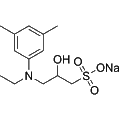
MAOS is a modified Trinder’s reagent designed for the sensitive detection of hydrogen peroxide (H2O2). This chromogenic probe enables quantitative measurement of H2O2 levels, with its activity being significantly influenced by the pH of the reaction medium. MAOS is applicable in various biological studies, including oxidative stress research and analysis of peroxidase activity.
TBC-1 is a chlorophyll-a derivative functioning as a photosensitizer with applications in photodynamic therapy (PDT). It effectively generates Type-I reactive oxygen species (ROS) and possesses the ability to target the endoplasmic reticulum. TBC-1 demonstrates notable biocompatibility and PDT efficacy in vitro under both normoxic and hypoxic conditions, making it a valuable tool for exploring therapeutic strategies in cancer research.
Photosensitizer-1 hydrochloride is an effective photosensitizing agent that primarily targets specific cellular structures to facilitate photodynamic therapy. This compound exhibits significant biological activity by generating reactive oxygen species upon exposure to light, making it useful in cancer treatment and other therapeutic applications. Its ability to selectively localize in tumor tissues enhances its potential for research in photodynamic applications, apoptosis induction, and anti-tumor mechanisms.
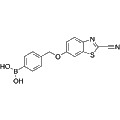
PCL-2 is a reactive oxygen species-responsive fluorescent probe targeting hydrogen peroxide. It selectively reacts with hydrogen peroxide to produce 6-hydroxy-2-cyanobenzothiazole, exhibiting minimal response to other biologically relevant reactive oxygen species. PCL-2 is suitable for chemoselective imaging of hydrogen peroxide in in vitro models and can be applied in acute inflammation research using mouse models. This probe allows for the investigation of hydrogen peroxide's role in acute inflammatory processes.
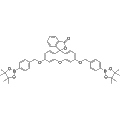
FBBBE is a selective fluorescent dye for the detection of hydrogen peroxide (H2O2) within cells. Upon exposure to intracellular H2O2, FBBBE undergoes a chemical transformation to fluorescein, leading to enhanced intracellular fluorescence (Ex=480 nm, Em=512 nm). This compound is valuable in studies examining oxidative stress and cellular responses to reactive oxygen species.
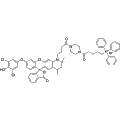
HKOCl-4m is a rhodol-based fluorescent probe specifically designed for the selective monitoring of mitochondrial hypochlorous acid (HOCl). This compound exhibits high sensitivity and selectivity for HOCl detection within mitochondria, facilitating the study of oxidative stress and its implications in cellular processes. It is a valuable tool for researchers investigating mitochondrial function and related pathophysiological conditions.
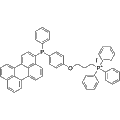
MitoPeDPP is a mitochondrial-targeted fluorescent probe that detects lipid peroxidation (LPO) within mitochondria. Synthesized from diphenylpyrenephosphine, this reagent enables the visualization of LPO events, making it valuable for studying mitochondrial dynamics in various biological contexts. Its application includes investigating RSL3-induced ferroptosis in oligodendrocytes, providing insights into the mechanisms of cell death and oxidative stress.
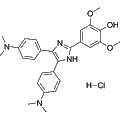
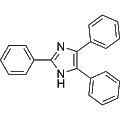
Lophine is a fluorescent dye that functions as a chemiluminescent and fluorescent probe. It is commonly used for the detection of reactive oxygen species (ROS) in biological samples. Its unique properties make Lophine suitable for various research applications, including studies on oxidative stress and cellular signaling pathways. Researchers can utilize this reagent to enhance their understanding of ROS-related processes in living systems.
Coelenteramide is an oxidative product of Coelenterazine and serves as an effective imaging agent. It forms a complex with apoAequorin/Ca2+, generating blue fluorescent protein (BFP) that exhibits sustained weak luminescence resembling luciferase activity. This compound is particularly valuable for various imaging applications in biological research.
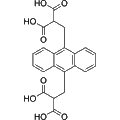
9,10-Anthracenediyl-bis(methylene)dimalonic acid (ABMDMA) serves as a sensitive indicator for singlet oxygen generation (SOG). This water-soluble derivative of anthracene undergoes photobleaching when exposed to singlet oxygen, transforming into its corresponding endoperoxide. The reaction can be effectively monitored spectrophotometrically by measuring the decrease in absorbance at 400 nm, making it a valuable tool for research applications in photochemical studies and reactive oxygen species detection.
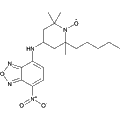
NBD-Pen is a highly selective and sensitive fluorescence probe designed to detect lipid radicals, with excitation at 470 nm and emission at 530 nm. This reagent specifically targets lipid-derived radicals while avoiding interference from other reactive species such as hydrogen peroxide, hypochlorite, superoxide, and hydroxyl radicals. By enabling direct detection of lipid radicals in living cells through a turn-on fluorescence mechanism, NBD-Pen allows for the investigation of inflammation, apoptosis, and oxidative stress. Its applications extend to various disease models, including hepatic carcinoma, making it a valuable tool in lipid peroxidation research.
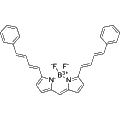
BODIPY 665/676 is a lipophilic fluorescent probe designed to detect lipid peroxidation through its sensitivity to free radicals. With excitation and emission wavelengths of 665 nm and 676 nm, respectively, this compound enables the investigation of radical-driven lipid autoxidation. It is a valuable tool for researchers studying oxidative stress and lipid metabolism in various biological systems.
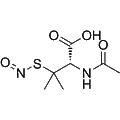
D-SNAP (S-Nitroso-N-acetylpenicillamine) is a fluorochrome that generates nitric oxide and spontaneously forms superoxides under physiological conditions. It is primarily utilized to investigate cellular stress responses and to stimulate calcium-independent synaptic vesicle release in research applications. D-SNAP serves as a valuable tool for studying redox signaling and neuronal function.
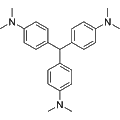
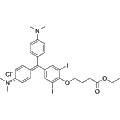
Leucocrystal violet is a cationic triarylmethane dye that acts as a chromogenic reagent for the detection of hydrogen peroxide. It generates a purple product through reactions catalyzed by horseradish peroxidase, allowing the determination of submicrogram levels of hydrogen peroxide without interference from common substances such as tryptophan and persulfate. In addition to its use in oxidative assays, Leucocrystal violet exhibits weak fluorescence in unbuffered whole blood solutions, with maximum absorption at 630 nm and emission at 665 nm. This reagent is extensively utilized for staining blood residues on both porous and non-porous surfaces in various biological research applications.
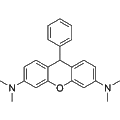
Dihydrotetramethylrosamine (DHTM Ros) is a fluorochrome that serves as a fluorogenic substrate for peroxidase enzymes. Upon oxidation, it converts to the fluorescent compound tetramethylrosamine chloride, which can be utilized for sensitive detection in various biological assays. This reagent is suitable for applications in cellular imaging, monitoring enzyme activity, and studying oxidative processes in biological systems.
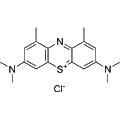
1,9-Dimethylmethylene blue is a photosensitizer that generates reactive oxygen species, including singlet oxygen, upon activation. This compound is effective for photoinactivating viruses such as the R17 phage and vesicular stomatitis virus, and it oxidizes hemoglobin through non-singlet oxygen pathways. Its monomeric form exhibits a higher affinity for nucleic acids, allowing for virus inactivation without the formation of methemoglobin under specific conditions. Additionally, it interacts with glycosaminoglycans, leading to observable color changes, and is applicable in spectrophotometric analyses for glycosaminoglycan quantification. Its diverse photochemical and binding characteristics make it valuable for research in viral infections and related biochemical studies.
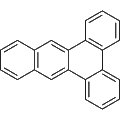
Benzo[f]tetraphene is a polycyclic aromatic hydrocarbon that functions as a potent photosensitizer. It demonstrates significant antitumor activity and serves as a luminescent probe in cell biology research, effectively detecting reactive oxygen species in biological systems. Its properties make Benzo[f]tetraphene a promising candidate for applications in photodynamic therapy and inhibition studies.
Photosensitizer-3 is a potent photosensitizer designed to induce selective cytotoxicity in transfected HEK cells and affibody-targeted A431 cancer cells upon exposure to near-infrared light. Its primary mechanism involves the generation of reactive oxygen species, which leads to cell death, making it a valuable tool for photodynamic therapy research. This compound is suitable for applications in cancer treatment studies and the development of innovative light-activated therapies.
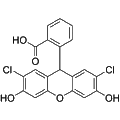
2,7-Dichlorodihydrofluorescein (DCFH2) is a non-fluorescent probe specifically designed to detect reactive oxygen species (ROS). Upon hydrolysis by intracellular esterases, DCFH2 reacts with various ROS, including hydroxyl radicals, hydrogen peroxide, and peroxynitrite, to produce the highly fluorescent compound 2,7-dichlorofluorescein (DCF). The fluorescence intensity of DCF directly correlates with ROS levels, making it an essential reagent for quantitatively assessing oxidative stress. This compound is suitable for both in vitro and in vivo applications, including oxidative stress analysis in cell models and targeted delivery studies, such as those utilizing liver-targeted liposomes.
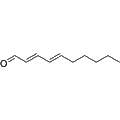
2,4-Decadienal is a toxic aldehyde formed through the oxidation of linoleic acid-rich oils. It serves as a reliable indicator of lipid oxidation, providing valuable insights into the oxidative stability and quality of these oils. This compound is commonly utilized in research applications focusing on lipid chemistry and food science, aiding in the assessment of oxidative degradation in lipid-containing products.
TDTM is a photosensitizer that facilitates the generation of reactive oxygen species (ROS) upon light activation. This compound is valuable in various research applications, including the synthesis of Janus liposozyme, which are important for studying lipid-based drug delivery systems and biocatalysis. Its ability to mediate photochemical reactions makes TDTM a useful tool in photodynamic therapy and related fields.
DHPN is a reversible singlet oxygen (1O2) quencher that serves as both a chemical and physical agent to mitigate the effects of 1O2. This compound is valuable for studies investigating oxidative stress and photodynamic therapy, where control of singlet oxygen levels is crucial. Its ability to effectively quench singlet oxygen makes it an essential tool for researchers analyzing the biological implications of oxidative species.
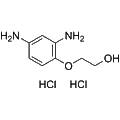
2,4-Diaminophenoxyethanol dihydrochloride is an oxidation colorant that primarily targets hair dye formulations. It functions through the oxidative reaction mechanism, facilitating the development of color in hair fibers. This compound is essential in the cosmetic industry for formulating permanent hair dyes, providing vibrant and stable color results. Additionally, it is useful in various biochemical research applications focused on colorimetric assays.
L-012 is a luminal-based chemiluminescent probe that targets NADPH oxidase (Nox)-derived superoxide and reactive nitrogen species (RNS). It exhibits high sensitivity for detecting reactive oxygen species (ROS) and provides valuable insights into oxidative stress and related biological processes. L-012 is widely utilized in research applications focused on inflammation, cardiovascular disease, and cellular signaling pathways.
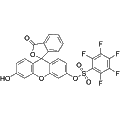
Pentafluorobenzenesulfonyl fluorescein is a selective fluorescent probe designed for the detection of hydrogen peroxide (H2O2) within cellular environments. This compound exhibits minimal fluorescence in its native state, becoming markedly fluorescent upon cleavage of the sulfonyl linkage by H2O2. Its specific reactivity allows for effective monitoring of oxidative stress and related biological processes, making it a valuable tool for research in cell biology and redox signaling pathways.
H2DCFDA supports oxidation-dependent DCF measurements; it is not a direct hydrogen-peroxide concentration assay. MitoSOX is used in mitochondrial oxidation studies, but different oxidation products contribute overlapping fluorescence. [1]
Does the readout identify the species?
A red MitoSOX signal alone does not establish superoxide production. Product separation and identification are needed for that attribution. DCF chemistry can also be affected by heme proteins, metals and signal amplification reactions; use a method that can address these confounders. [1]
Is membrane oxidation the question?
C11-BODIPY has documented use as an oxidation-sensitive membrane probe. Its response should not be equated with the absolute amount of endogenous lipid oxidation: a comparison with mass spectrometry found overreporting and perturbation of oxidation in the tested system. Treat it as an indicator within a validated assay. [2][3]
Representative Reagent Comparison
Selected examples for this topic; independent of the current product page or filters.
Representative reagents and selection considerations
Not an absolute lipid-oxidation measurement. The dye overreported and inhibited oxidative damage in a model-membrane comparison. [2][3]
These probes have useful, conditional research roles. A signal change is not automatically a specific ROS concentration or proof of a particular cell-death pathway.