Melanocortin Receptor

Melanocortin receptor agonists and antagonists act on MC1R to MC5R, five receptors for melanocortin peptides. These peptides derive from proopiomelanocortin and include α-melanocyte-stimulating hormone (α-MSH) and adrenocorticotropic hormone (ACTH). Genes for the MSH receptor (MC1R) and the ACTH receptor (MC2R) were cloned in 1992. MC1R controls skin and hair pigmentation, while MC4R in the hypothalamus regulates feeding and energy balance. In a 1997 study, mice with a targeted disruption of the MC4R gene became obese. The list holds α-MSH, the ACTH fragment tetracosactide, and the cyclic peptides melanotan II and bremelanotide acetate. Setmelanotide and PF-00446687 are MC4R agonists, and JNJ-10229570 blocks MC1R and MC5R. Melanogenesis inhibitors such as orcinol are included as well, for pigmentation studies.

Items 76-100 of 102

  • Alsactide
    Cat. No.
    A61686

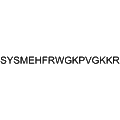
    Alsactide

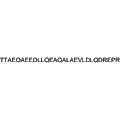
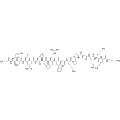
    Alsactide is a heptadecapeptide analogue that functions as an adrenocorticotropic hormone (ACTH) agonist. This compound is utilized in research focusing on the central nervous system, where it may influence adrenal function and steroidogenesis. Its activity provides valuable insights into neuroendocrine regulation and potential therapeutic applications in disorders related to ACTH signaling.

    Out of stock

    All 3 sizes
  • IIIM-8
    Cat. No.
    A61688

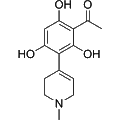
    IIIM-8

    IIIM-8 is a melanogenesis inhibitor that effectively suppresses pigment production in both in vitro and in vivo models. This compound shows no cytotoxicity in Human Adult Epidermal Melanocytes (HAEM), making it a suitable candidate for research in hyperpigmentation disorders. Its mechanism of action supports studies aimed at understanding melanin synthesis and skin pigmentation regulation.

    Out of stock

    All 3 sizes
  • γ3-MSH
    Cat. No.
    A61689

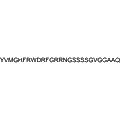
    γ3-MSH

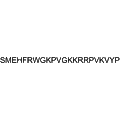
    γ3-MSH is a peptide derived from the N-terminal segment of pro-opiomelanocortin (POMC) that primarily targets melanocortin receptors. It is known to stimulate aldosterone secretion in human adrenal tumor cells in vitro, making it a valuable tool for research into adrenal function and pathophysiology. This compound can be utilized in studies aimed at understanding the regulatory mechanisms of hormone secretion and the role of melanocortin signaling in adrenal tumors.

    Out of stock

    All 3 sizes
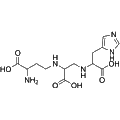
  • α-MSH free acid
    Cat. No.
    A61690

    α-MSH free acid

    Synonyms: α-Melanocyte-Stimulating Hormone free acid

    α-MSH free acid is a potent agonist of the melanocortin receptors MC3R and MC4R, exhibiting EC50 values of 0.16 nM and 5.6 nM, respectively. This compound stimulates cAMP production upon receptor activation, making it a valuable tool for research in metabolic regulation, appetite control, and neurobiology. Its effects on signaling pathways also support its use in studying obesity and related disorders.

    Out of stock

    All 3 sizes
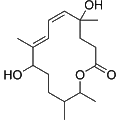
  • JLB2-110c
    Cat. No.
    A61691

    JLB2-110c

    JLB2-110c is a potent melanocortin receptor agonist, specifically targeting the melanocortin-4 receptor (MC4R) with an EC50 of 0.34 nM. This compound demonstrates significant appetite suppressant effects in vivo, making it a valuable tool for research into obesity and metabolic disorders. Its ability to modulate energy homeostasis positions JLB2-110c as a key reagent for studies related to appetite regulation and weight management.

    Out of stock

    All 3 sizes
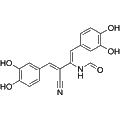
  • (p-Iodo-Phe7)-ACTH (4-10)
    Cat. No.
    A61692

    (p-Iodo-Phe7)-ACTH (4-10)

    (p-Iodo-Phe7)-ACTH (4-10) is a derivative of adrenocorticotrophic hormone (ACTH) that functions as a melanocortin receptor antagonist. This compound effectively inhibits the action of α-melanocyte-stimulating hormone (α-MSH), thereby reducing excessive grooming behavior observed in rat models. It serves as a valuable tool in research focused on the modulation of melanocortin signaling pathways and behaviors influenced by the central nervous system.

    Out of stock

    All 3 sizes
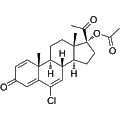
  • RO27-3225
    Cat. No.
    A61694

    RO27-3225

    RO27-3225 is a potent and selective agonist of the melanocortin 4 receptor (MC4R), exhibiting an EC50 of 1 nM for MC4R and 8 nM for MC1R, demonstrating a 30-fold selectivity for MC4R over MC3R. This compound shows significant neuroprotective and anti-inflammatory effects, making it valuable for research in metabolic disorders, obesity, and neurodegenerative diseases. Its specific action on MC4R positions RO27-3225 as a key reagent for exploring the therapeutic potential of melanocortin signaling pathways.

    Out of stock

    All 3 sizes
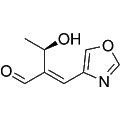
  • Chlorophorin
    Cat. No.
    A61696

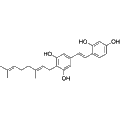
    Chlorophorin

    Chlorophorin is an inhibitor of the Melanocortin Receptor, effectively reducing tyrosinase activity and melanogenesis. This compound demonstrates significant inhibition of α-melanocyte-stimulating hormone-induced melanin production in B16F10 melanoma cells, making it valuable for research on pigmentation disorders and melanoma. Its mechanism of action provides insights into the modulation of skin pigmentation and potential therapeutic strategies.

    5 mg
    $1,870.00
    All 1 sizes
  • ACTH (1-17)
    Cat. No.
    A61698

    ACTH (1-17)

    Synonyms: α1-17-ACTH

    ACTH (1-17) is a potent agonist of the human melanocortin 1 (MC1) receptor, exhibiting a Ki of 0.21 nM. This adrenocorticotropin analogue plays a critical role in modulating melanogenesis and has significant implications for research in skin pigmentation and endocrine regulation. Its efficacy makes it a valuable tool for studies focused on melanocortin signaling pathways and related therapeutic applications.

    1 mg
    $80.00
    5 mg
    $305.00
    All 3 sizes
  • RY764
    Cat. No.
    A61699

    RY764

    RY764 is a selective agonist for the melanocortin-4 receptor (MC4R), demonstrating an EC50 of 10 nM. This compound effectively reduces food intake and mitigates body weight gain in diet-induced obese (DIO) rat models. RY764 is suitable for research applications focusing on obesity and metabolic disorders.

    Out of stock

    All 3 sizes
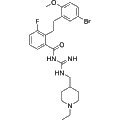
  • (R)-Lirinidine
    Cat. No.
    A61700

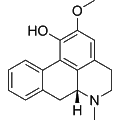
    (R)-Lirinidine

    Synonyms: (-)-Lirinidine

    (R)-Lirinidine is an aporphine-type alkaloid derived from Nelumbo nucifera, known for its role as a melanogenesis inhibitor. With an IC50 value of 19.3 μM, it effectively reduces melanin production, making it valuable for research in skin pigmentation disorders. Additionally, (R)-Lirinidine exhibits cytotoxic effects at concentrations of 100 μM, highlighting its potential in various biological studies.

    Out of stock

    All 3 sizes
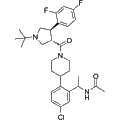
  • Agouti-Related Protein (54-82) (human)
    Cat. No.
    A61701

    Agouti-Related Protein (54-82) (human)

    Synonyms: AGRP (54-82) (human)

    Agouti-Related Protein (54-82) (human) is an amino-terminal fragment of the agouti-related protein (AGRP), specifically spanning residues 54 to 82. This peptide plays a critical role in the regulation of appetite and energy homeostasis by acting as an antagonist of the melanocortin receptors. It is widely utilized in research examining metabolic disorders, obesity, and neuroendocrine signaling pathways.

    Out of stock

    All 3 sizes
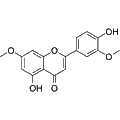
  • MK-0489
    Cat. No.
    A61702

    MK-0489

    MK-0489 is a selective agonist targeting the melanocortin-4 receptor (MC4R). Demonstrating a strong binding affinity with an IC50 of 13 nM and functional activity characterized by an EC50 of 4.6 nM in human MC4R, it also exhibits an EC50 of 22 nM for mouse MC4R and 1.7 μM for mouse MC3R. This compound is valuable for research applications focused on obesity and related metabolic disorders.

    Out of stock

    All 3 sizes
  • ACTH (3-24) (human, bovine, mouse, ovine, porcine, rabbit, rat)
    Cat. No.
    A61703

    ACTH (3-24) (human, bovine, mouse, ovine, porcine, rabbit, rat)

    ACTH (3-24) is a peptide fragment of adrenocorticotropic hormone (ACTH) consisting of residues 3-24. This ACTH analogue plays a critical role in modulating adrenal steroidogenesis and has been utilized in research focused on various diseases, including cancer, immune disorders, and cardiovascular diseases. Its ability to influence hormone release makes it valuable for studying endocrine function and related pathologies across different species, including human, bovine, and rodent models.

    Out of stock

    All 3 sizes
  • Bivamelagon hydrochloride
    Cat. No.
    A61705

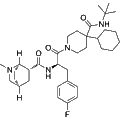
    Bivamelagon hydrochloride

    Synonyms: MC-4R Agonist 2 hydrochloride

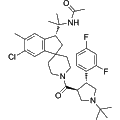
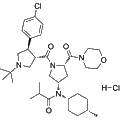
    Bivamelagon hydrochloride is a potent agonist of the melanocortin 4 receptor (MC4R), demonstrating EC50 values of 0.562 nM in luciferase assays and 36.5 nM in cAMP assays, along with a Ki of 65 nM. This compound exhibits oral bioavailability and the ability to cross the blood-brain barrier, making it a valuable tool in research focused on metabolic disorders, particularly obesity and diabetes. Bivamelagon hydrochloride facilitates the exploration of MC4R signaling pathways and their implications in metabolic regulation.

    1 mg
    $285.00
    5 mg
    $640.00
    All 6 sizes
  • Ac-c[Cys-Glu-His-d-Phe-Arg-Trp-d-Cys]-Pro-Pro-Lys-Asp-NH2
    Cat. No.
    A61706

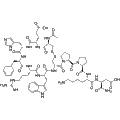
    Ac-c[Cys-Glu-His-d-Phe-Arg-Trp-d-Cys]-Pro-Pro-Lys-Asp-NH2

    Ac-c[Cys-Glu-His-d-Phe-Arg-Trp-d-Cys]-Pro-Pro-Lys-Asp-NH2 is a selective antagonist of the human melanocortin 5 receptor (hMC5R), exhibiting an IC50 value of 10 nM. This compound is crucial for studies focusing on hMC5R-related signaling pathways and their implications in various physiological processes. Its specificity makes it a valuable tool for investigating the role of hMC5R in metabolic regulation and other biological functions.

    1 mg
    $40.00
    5 mg
    $100.00
    All 3 sizes
  • Amphistin
    Cat. No.
    A61707

    Amphistin

    Amphistin is a melanogenesis inhibitor derived from actinomycetes. It effectively suppresses melanin production in B16 melanoma cells while demonstrating no significant impact on cellular growth. This compound is of interest for research applications focused on hyperpigmentation disorders and skin-related studies.

    Out of stock

    All 3 sizes
  • Albocycline K3
    Cat. No.
    A61709

    Albocycline K3

    Albocycline K3 acts as a melanogenesis inhibitor and is derived from microbial sources. This compound effectively reduces melanin production, making it suitable for research in skin biology and pigmentation disorders. Its unique mechanism of action provides valuable insights into the modulation of melanin synthesis and may aid in the development of therapies for conditions such as hyperpigmentation.

    Out of stock

    All 3 sizes
  • Melanocin A
    Cat. No.
    A61710

    Melanocin A

    Melanocin A is a potent melanin biosynthesis inhibitor that specifically targets tyrosinase, demonstrating an IC50 of 9.0 nM and a MIC of 0.9 μM. This compound effectively reduces melanin production and exhibits antioxidant properties, making it valuable for research into skin pigmentation disorders and oxidative stress-related conditions. Melanocin A can be utilized in studies examining the regulation of melanogenesis and potential therapeutic approaches for hyperpigmentation.

    Out of stock

    All 3 sizes
  • Delmadinone acetate
    Cat. No.
    A61711

    Delmadinone acetate

    Delmadinone acetate is an orally active ACTH inhibitor that exerts its effects by suppressing adrenal function through the inhibition of adrenocorticotropic hormone release from the pituitary gland. This compound is primarily used in veterinary medicine for the control of estrus and ovulation in both female and male pets. Its ability to modulate endocrine functions makes it valuable for research focused on reproductive biology and hormonal regulation.

    5 mg
    $420.00
    10 mg
    $820.00
    All 4 sizes
  • Melanoxazal
    Cat. No.
    A61712

    Melanoxazal

    Melanoxazal is an inhibitor of melanin biosynthesis. It effectively reduces melanin formation in silkworm larva hemolymph, with an IC50 of 30.1 μg/mL, and demonstrates a potent inhibitory effect on mushroom tyrosinase, exhibiting an IC50 of 4.2 μg/mL. This compound is primarily utilized in research exploring pigmentation processes and the role of melanin in various biological systems.

    Out of stock

    All 3 sizes
  • MPCI
    Cat. No.
    A61713

    MPCI

    MPCI is a selective antagonist of the melanocortin-4 receptor (MC4R), exhibiting pharmacological chaperone activity. With a Ki value of 0.218 μM determined in HEK293 cells expressing human MC4R, MPCI is valuable in researching the mechanisms underlying MC4R-deficient obesity. This compound can facilitate studies on metabolic regulation and potential therapeutic approaches for related disorders.

    25 mg
    $1,275.00
    50 mg
    $1,625.00
    All 3 sizes
  • MC-4R Agonist 1
    Cat. No.
    A61714

    MC-4R Agonist 1

    MC-4R Agonist 1 is a selective agonist of the human melanocortin-4 receptor (MC-4R), known for its role in regulating energy homeostasis and appetite. This compound has demonstrated significant biological activity in research focusing on obesity, diabetes, and sexual dysfunction, making it a valuable tool for studies exploring metabolic pathways and associated disorders. Its use in scientific investigations may provide insights into potential therapeutic approaches for these conditions.

    25 mg
    $1,275.00
    50 mg
    $1,625.00
    All 3 sizes
  • Velutin
    Cat. No.
    A75549

    Velutin

    Velutin is a melanin biosynthesis inhibitor derived from Flammulina velutipes. It effectively reduces osteoclast differentiation and modulates hypoxia-inducible factor 1-alpha (HIF-1α) expression via the NF-kB signaling pathway. This compound is valuable for research focusing on pigmentation processes and bone metabolism.

    1 mg
    $90.00
    5 mg
    $245.00
    All 3 sizes
  • D-Tyrosine
    Cat. No.
    A78017

    D-Tyrosine

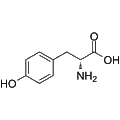
    D-Tyrosine is a melanogenesis inhibitor that specifically targets tyrosinase activity. By negatively regulating melanin synthesis, D-Tyrosine effectively reduces pigmentation in various biological systems. Additionally, it demonstrates the ability to inhibit biofilm formation and induce the self-dispersal of biofilms, maintaining bacterial viability. This compound is valuable for research applications focused on pigmentation disorders and biofilm-related studies.

    500 mg
    $25.00
    1 g
    $30.00
    All 3 sizes

Items 76-100 of 102

Added to your cart

View Cart Checkout

    Loading...