All Dyes

All Dyes is the single product list for the Fluorescent Dyes, Probes & Stains section. Many dyes here have no application or dye-family subcategory, so the list is the broadest way to browse the range. It suits searches by product name when the required dye is already known. Examples range from the near-infrared cyanine indocyanine green and the ratiometric calcium indicator Fura-2 pentapotassium to the nucleic acid stains Hoechst 33258 trihydrochloride and SYBR Green II. Classical stains such as hematoxylin, reactive labeling dyes and enzyme substrates are listed alongside them. For selection by task or by core structure, the parent Fluorescent Dyes, Probes & Stains page groups dyes by application and dye family.

Items 1951-1975 of 2505

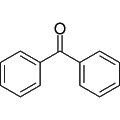
  • Benzophenone
    Cat. No.
    A53936

    Benzophenone

    Benzophenone is a photosensitizer known for its ability to absorb UV light and transfer energy to DNA, leading to DNA damage. This compound is widely utilized in research related to phototoxicity, carcinogenicity, and estrogenic activity. Additionally, it serves as an additive in various applications, including ultraviolet curing agents, fragrance enhancement, insecticide manufacturing, and pharmaceutical development. Long-term exposure studies in rodent models have indicated potential carcinogenic properties.

    10 g
    $20.00
    25 g
    $25.00
    All 6 sizes
  • Chlorin e6 trisodium
    Cat. No.
    A53937

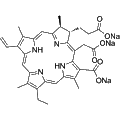
    Chlorin e6 trisodium

    Synonyms: Ce6 trisodium

    Chlorin e6 trisodium is a water-soluble chlorin-based photosensitizer primarily targeted for photodynamic therapy (PDT) applications. It exhibits strong absorption in the wavelength range of 600-670 nm and emits distinctive red fluorescence when excited by light. This property facilitates real-time visualization of tumor margins and progression. Chlorin e6 trisodium is particularly useful in the investigation of cancer treatments, including bladder cancer, and in enhancing fluorescence-based diagnostics of neoplastic lesions.

    5 mg
    $45.00
    10 mg
    $65.00
    All 3 sizes
  • Photosensitizer-8
    Cat. No.
    A53938

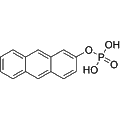
    Photosensitizer-8

    Photosensitizer-8 is an ALP-activatable photosensitizer based on a 2-anthrol derivative. Upon exposure to alkaline phosphatase (ALP), it undergoes hydrolysis to release the active photosensitizer 2-anthrol, demonstrating potent cytotoxicity against ALP-overexpressing cancer cell lines such as HeLa, A549, and HCT116, with IC50 values of 14.3 μM, 21.6 μM, and 17.5 μM, respectively. Notably, it exhibits minimal cytotoxic effects towards normal lung fibroblasts (WI-38), making it a promising candidate for photodynamic therapy research focused on ALP-overexpressing cancers.

    Out of stock

    All 3 sizes
  • TBTDC
    Cat. No.
    A53941

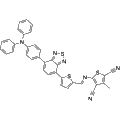
    TBTDC

    TBTDC is a highly efficient organic photosensitizer that exhibits aggregation-induced emission properties. It serves as a valuable tool for in vivo bioimaging and photodynamic applications, enabling enhanced visualization of biological processes. Its multifunctional characteristics make it suitable for various research investigations focused on photodynamic therapy and imaging techniques.

    5 mg
    $285.00
    10 mg
    $470.00
    All 4 sizes
  • 10-(3,5-Di-OMe-Ph)-9-mesityl-(1,3,6,8-tetra-OMe-acridinium) tetrafluoroborate
    Cat. No.
    A53944

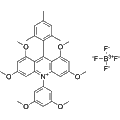
    10-(3,5-Di-OMe-Ph)-9-mesityl-(1,3,6,8-tetra-OMe-acridinium) tetrafluoroborate

    10-(3,5-Di-OMe-Ph)-9-mesityl-(1,3,6,8-tetra-OMe-acridinium) tetrafluoroborate functions as a highly effective photosensitizer, enhancing the efficiency of organic reactions. This compound is particularly valuable in the synthesis of complex molecules, facilitating various photochemical processes. Its robust performance in photosensitization also supports a wide range of research applications in organic chemistry and materials science.

    100 mg
    $150.00
    250 mg
    $290.00
    All 4 sizes
  • SL-052
    Cat. No.
    A53946

    SL-052

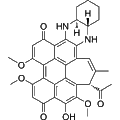
    SL-052 is a hypocrellin-based photosensitizer primarily targeting cancer cells through photodynamic therapy (PDT). Encapsulated within biodegradable polylactic-co-glycolic acid (PLGA) nanoparticles, this formulation demonstrates enhanced effectiveness in treating subcutaneous SCCVII squamous cell carcinoma. Optimized via single emulsion solvent evaporation technology, SL-052-PLGA nanoparticles exhibit superior therapeutic outcomes compared to other SL-052 formulations. Prolonging the interval between drug administration and tumor illumination further augments tumor cure rates, establishing SL-052-PLGA as a promising candidate for cancer PDT applications.

    Out of stock

    All 3 sizes
  • Purpurin 18 methyl ester
    Cat. No.
    A53948

    Purpurin 18 methyl ester

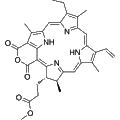
    Purpurin 18 methyl ester, a chlorophyll-a derivative, functions as a potent photosensitizer with applications in photodynamic therapy (PDT). It exhibits significant photodynamic activity, effectively inducing apoptosis in cancer cells. This compound provides a valuable tool for research focused on cancer treatment and the development of innovative therapeutic strategies.

    Out of stock

    All 3 sizes
  • Talaporfin
    Cat. No.
    A53950

    Talaporfin

    Synonyms: ME2906 free acid; Mono-L-aspartyl chlorin e6 free acid; NPe6 free acid

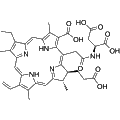
    Talaporfin is a photosensitizer utilized in intraoperative photodynamic therapy (PDT). It is activated by a 664-nm semiconductor laser, showing potential efficacy and safety in the treatment of primary malignant parenchymal brain tumors. Talaporfin serves as a valuable reagent for research focused on cancer therapies, particularly in exploring innovative approaches to enhance tumor-specific targeting and destruction.

    25 mg
    $1,275.00
    All 1 sizes
  • Lemuteporfin
    Cat. No.
    A53953

    Lemuteporfin

    Synonyms: QLT-0074; DRM-05; EA 6

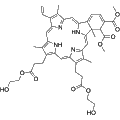
    Lemuteporfin is a benzoporphyrin derivative that functions as a diethylene glycol functionalized chlorin-type photosensitizer. It exhibits rapid cell sensitization to photodynamic therapy, making it a significant compound in cancer treatment research. Notably, Lemuteporfin demonstrates anticancer activity against acute lymphoblastic leukemia, supporting its potential applications in targeted cancer therapies.

    1 mg
    $235.00
    5 mg
    $590.00
    All 6 sizes
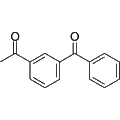
  • 3-Acetylbenzophenone
    Cat. No.
    A53958

    3-Acetylbenzophenone

    3-Acetylbenzophenone is a potent photosensitizer that engages in photolysis reactions. It facilitates the photoperoxidation of linoleic acid and demonstrates significant free radical scavenging capabilities. This compound is valuable for research applications involving photodynamic therapy and oxidative stress studies.

    100 mg
    $100.00
    250 mg
    $190.00
    All 4 sizes
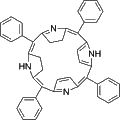
  • Meso-tetraphenylchlorin
    Cat. No.
    A53960

    Meso-tetraphenylchlorin

    Synonyms: Fimaporfin free base

    Meso-tetraphenylchlorin (TPCS2a) is a photosensitizer with notable applications in photodynamic therapy, particularly in targeting cancer cells. Due to its poor water solubility, TPCS2a is often formulated as nanoparticles (TPCS2a@NPs) using a polylactic-co-polyethylene glycol acid (PLGA) core. These nanoparticles can be further enhanced by coating them with mesenchymal stem cell-derived plasma membranes (mMSC-TPCS2a@NPs), which improve blood circulation time and tumor targeting efficiency. Compared to uncoated nanoparticles, mMSC-TPCS2a@NPs exhibit reduced macrophage uptake while demonstrating effective accumulation in breast cancer cell lines MCF7 and MDA-MB-231, with minimal uptake in normal breast epithelial cells.

    Out of stock

    All 3 sizes
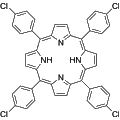
  • 5,10,15,20-Tetrakis(4-chlorophenyl)porphyrin
    Cat. No.
    A53961

    5,10,15,20-Tetrakis(4-chlorophenyl)porphyrin

    5,10,15,20-Tetrakis(4-chlorophenyl)porphyrin is a highly studied photosensitizer known for its structural optimization properties in photodynamic therapy (PDT), particularly for psoriasis treatment. This compound exhibits minimal photodynamic cytotoxicity, making it suitable for research applications focused on improving the efficacy and safety of photosensitizers. Its unique structural features provide insights into the design and development of novel PDT agents.

    250 mg
    $20.00
    500 mg
    $25.00
    All 4 sizes
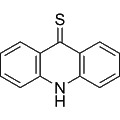
  • Thio-acridone
    Cat. No.
    A54310

    Thio-acridone

    Synonyms: SACD

    Thio-acridone (SACD) is a photosensitizer that generates a long-lived triplet state upon excitation with 470 nm visible light. This process leads to the production of singlet oxygen, causing damage to the structures and functions of target cells, including cancer cells. Additionally, Thio-acridone acts as a CDK4/Cyclin D1 inhibitor, exhibiting an IC50 of 2 µM. Its dual mechanism underscores its potential utility in cancer research.

    Out of stock

    All 3 sizes
  • 1-Nitropyrene
    Cat. No.
    A54572

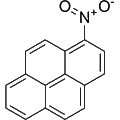
    1-Nitropyrene

    Synonyms: 3-Nitropyrene

    1-Nitropyrene is a DNA stain that primarily interacts with nucleic acids through the formation of adducts. Its metabolites exhibit significant biological activity, making it a valuable tool for studying DNA damage and mutagenesis. This reagent is commonly used in research applications focused on genotoxicology, cancer research, and environmental toxicology to assess the impact of nitroarenes on DNA integrity.

    500 mg
    $20.00
    1 g
    $25.00
    All 5 sizes
  • DBCO-PEG4-TAMRA
    Cat. No.
    A54573

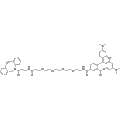
    DBCO-PEG4-TAMRA

    DBCO-PEG4-TAMRA is a PEG-conjugated TAMRA dye featuring a dibenzocyclooctyne (DBCO) moiety, facilitating efficient Click Chemistry through strain-promoted alkyne-azide cycloaddition (SPAAC) with azide-containing molecules. This reagent is crucial for oligonucleotide labeling and is widely utilized in automated DNA sequencing applications. Its bioconjugation capabilities enhance the specificity and sensitivity of various research techniques, making it a valuable tool in molecular biology and biochemical studies.

    1 mg
    $280.00
    5 mg
    $780.00
    All 3 sizes
  • Hexidium iodide
    Cat. No.
    A54574

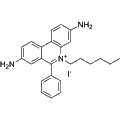
    Hexidium iodide

    Hexidium iodide is a fluorescent nucleic acid stain that emits at approximately 600 nm when excited at 518 nm. This reagent permeates mammalian cells and selectively labels nearly all gram-positive bacteria. It can effectively bind to bacterial DNA following cell permeabilization with EDTA, making it a valuable tool for microbiological studies and the visualization of bacterial populations.

    1 mg
    $365.00
    5 mg
    $690.00
    All 2 sizes
  • EthD-d5 bromide
    Cat. No.
    A54575

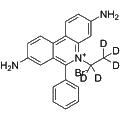
    EthD-d5 bromide

    Synonyms: EtBr-d5; Homidium-d5 bromide

    EthD-d5 bromide is a deuterium-labeled variant of Ethidium bromide, serving as a stable isotope. It acts as an intercalating agent and is widely utilized as a fluorescent nucleic acid stain in molecular biology applications, including agarose gel electrophoresis. This reagent facilitates the visualization and analysis of nucleic acids, enhancing the accuracy of molecular assays.

    Out of stock

    All 3 sizes
  • Sulfo-CY5-NHS ester potassium
    Cat. No.
    A54577

    Sulfo-CY5-NHS ester potassium

    Synonyms: Sulfo-Cyanine5 NHS ester potassium

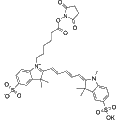
    Sulfo-CY5-NHS ester potassium is a reactive dye that functions through the formation of stable amide bonds with primary amines on proteins and nucleic acids. This compound is primarily utilized for fluorescent labeling in biological research, enabling the visualization and tracking of biomolecules in various assays. Its high brightness and long-wavelength emission make it suitable for multiplexing applications and enhanced signal detection in imaging techniques.

    25 mg
    $1,275.00
    All 1 sizes
  • Acridine homodimer
    Cat. No.
    A54580

    Acridine homodimer

    Synonyms: NSC 219743

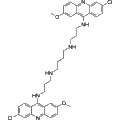
    Acridine homodimer is a fluorescence dye that specifically targets DNA. It emits blue-green fluorescence upon binding, exhibiting a strong affinity for AT-rich regions of nucleic acids. This compound is particularly useful in chromosome banding and other applications involving nucleic acid visualization and quantification in research settings.

    Out of stock

    All 3 sizes
  • Tricyclic cytosine tC
    Cat. No.
    A54581

    Tricyclic cytosine tC

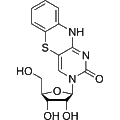
    Tricyclic cytosine tC is a fluorescent base analogue designed to serve as a fluorescent probe in nucleic acid systems. It exhibits excitation at 385 nm and emits fluorescence at 505 nm. This compound is valuable for studying nucleic acid structures and dynamics, enabling researchers to investigate interactions and processes within genomic contexts.

    5 mg
    $225.00
    10 mg
    $370.00
    All 2 sizes
  • Hydroxystilbamidine diisethionate
    Cat. No.
    A54582

    Hydroxystilbamidine diisethionate

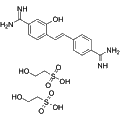
    Hydroxystilbamidine diisethionate is a DNA and RNA-binding dye that selectively inhibits cellular ribonucleases. This compound serves as a retrograde fluorescent tracer and is utilized in histochemical staining applications to visualize nucleic acids in various biological samples. Its dual function as a dye and an inhibitor makes it valuable for research in molecular biology and cellular assays.

    Out of stock

    All 3 sizes
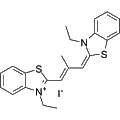
  • 3,3'-Diethyl-9-methylthiacarbocyanine iodide
    Cat. No.
    A54843

    3,3'-Diethyl-9-methylthiacarbocyanine iodide

    3,3'-Diethyl-9-methylthiacarbocyanine iodide is a cyanine dye that functions as a tau aggregation inhibitor, exhibiting an IC50 value of 0.28 μM for tau proteins. It interferes with the proper functioning of the microtubule cytoskeleton, making it valuable for studies investigating tau pathologies. This compound is particularly relevant in Alzheimer's disease research, enabling the exploration of therapeutic strategies targeting tau aggregation.

    25 mg
    $55.00
    50 mg
    $85.00
    All 3 sizes
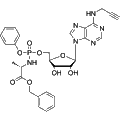
  • pro-N6pA
    Cat. No.
    A56635

    pro-N6pA

    pro-N6pA is a cell-permeable pronucleotide probe that selectively tracks AMPylated proteins, providing valuable insights into protein modifications. This compound serves as a powerful tool in studying bacterial infections, facilitating research into the mechanisms of AMPylation and its biological implications. Its ability to penetrate cell membranes enhances the versatility of pro-N6pA in various cellular studies.

    Out of stock

    All 3 sizes
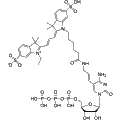
  • Cy3-CTP
    Cat. No.
    A56648

    Cy3-CTP

    Cy3-CTP is a nucleoside analog that functions as a fluorescently labeled cytidine triphosphate. It is utilized in nucleic acid synthesis, allowing for the incorporation of Cy3 dye into RNA and DNA molecules. This compound is particularly beneficial for applications in molecular biology, including real-time PCR, in situ hybridization, and RNA imaging techniques, facilitating enhanced tracking and visualization of nucleic acids.

    Out of stock

    All 3 sizes
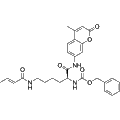
  • CrBKA
    Cat. No.
    A56988

    CrBKA

    CrBKA is a fluorogenic small-molecule substrate specifically designed for SIRT6, a member of the sirtuin family of NAD+-dependent deacetylases. This compound exhibits weak activity, making it suitable for probing SIRT6 enzymatic function in various biological contexts. Its application in research includes the study of cellular metabolism, aging, and the modulation of gene expression through deacetylation processes.

    5 mg
    $255.00
    10 mg
    $420.00
    All 5 sizes

Items 1951-1975 of 2505

Added to your cart

View Cart Checkout

    Loading...