All Dyes

All Dyes is the single product list for the Fluorescent Dyes, Probes & Stains section. Many dyes here have no application or dye-family subcategory, so the list is the broadest way to browse the range. It suits searches by product name when the required dye is already known. Examples range from the near-infrared cyanine indocyanine green and the ratiometric calcium indicator Fura-2 pentapotassium to the nucleic acid stains Hoechst 33258 trihydrochloride and SYBR Green II. Classical stains such as hematoxylin, reactive labeling dyes and enzyme substrates are listed alongside them. For selection by task or by core structure, the parent Fluorescent Dyes, Probes & Stains page groups dyes by application and dye family.

Items 1976-2000 of 2505

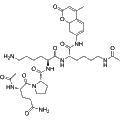
  • Ac-QPKK(Ac)-AMC
    Cat. No.
    A57031

    Ac-QPKK(Ac)-AMC

    Ac-QPKK(Ac)-AMC is a fluorogenic substrate specifically designed for sirtuin enzymes, facilitating the study of sirtuin-mediated deacetylation processes. This reagent enables the quantitative analysis of sirtuin activity, making it a valuable tool for investigating the role of sirtuins in various biological processes and disease states, including aging and metabolic disorders. Researchers can leverage Ac-QPKK(Ac)-AMC to explore sirtuin function in high-throughput screening assays and in-depth mechanistic studies.

    1 mg
    $230.00
    5 mg
    $585.00
    All 2 sizes
  • Phallacidin
    Cat. No.
    A57290

    Phallacidin

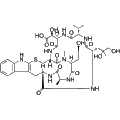
    Phallacidin is a bicyclic heptapeptide that acts as an F-actin stabilizer by binding with high affinity (Kd of 20 nM) to filamentous actin. This binding inhibits the depolymerization of F-actin and enhances the stability of microfilament structures, thereby protecting them from disruption by agents such as cytochalasins. When conjugated with a fluorophore, Phallacidin functions as a specific fluorescent probe, allowing for precise visualization of actin distribution within the cytoskeleton, including structures like stress fibers and cortical peripheral bands, using fluorescence microscopy.

    1 mg
    $550.00
    All 1 sizes
  • ACI-19278
    Cat. No.
    A57786

    ACI-19278

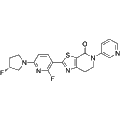
    ACI-19278 is a selective TDP-43 PET tracer that exhibits a binding affinity (Kd) of approximately 25 nM for pathological TDP-43 aggregates. It demonstrates minimal cross-reactivity with other proteins such as amyloid-beta and tau. [18F]ACI-19278 is capable of effectively visualizing TDP-43 pathology in the human brain using positron emission tomography. This reagent is suitable for in vivo diagnostic applications related to TDP-43 protein lesions.

    5 mg
    $450.00
    10 mg
    $740.00
    All 4 sizes
  • Calcium phosphorylcholine chloride, 98%
    Cat. No.
    A58203

    Calcium phosphorylcholine chloride, 98%

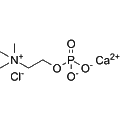
    Calcium phosphorylcholine chloride (98%) is a key phospholipid component found in eukaryotic biofilms. This compound is present in both commensal and pathogenic bacteria associated with eukaryotes, contributing to their structural integrity. It demonstrates a notable range of immunomodulatory properties, making it valuable for research applications that explore immune responses and microbial interactions.

    1 mg
    $20.00
    25 g
    $30.00
    All 5 sizes
  • Abz-Gly-p-nitro-Phe-Pro-OH
    Cat. No.
    A58900

    Abz-Gly-p-nitro-Phe-Pro-OH

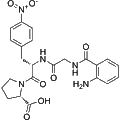
    Abz-Gly-p-nitro-Phe-Pro-OH is a fluorescent substrate specific for angiotensin I converting enzyme (ACE-I), facilitating the study of enzyme kinetics and activity. The compound exhibits excitation at 355 nm and emission at 405 nm, making it suitable for high-sensitivity fluorescence assays. This substrate can be utilized in research applications focused on cardiovascular biology, hypertension, and related signaling pathways.

    5 mg
    $65.00
    10 mg
    $105.00
    All 3 sizes
  • CB2R probe 1
    Cat. No.
    A59299

    CB2R probe 1

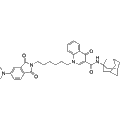
    CB2R Probe 1 is a fluorescent probe targeting the cannabinoid 2 receptor (CB2R), with an affinity (Ki) of 130 nM. This probe exhibits low cytotoxicity in cancer cell lines, making it suitable for cellular imaging and receptor studies. It is ideal for research applications focused on CB2R-related signaling pathways and their implications in cancer biology.

    Out of stock

    All 3 sizes
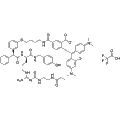
  • Tocrifluor 1117
    Cat. No.
    A59377

    Tocrifluor 1117

    Synonyms: T1117

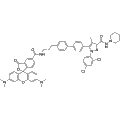
    Tocrifluor 1117 is a selective fluorescent ligand targeting the GPR55 receptor. This compound serves as a valuable tool in research for visualizing the cellular distribution of cannabinoid receptors, including GPR55, in live tissues. With excitation and emission maxima at 543 nm and 590 nm, respectively, Tocrifluor 1117 enhances the understanding of cannabinoid receptor localization and function in various biological contexts.

    0.1 mg
    $1,105.00
    All 1 sizes
  • Mz438
    Cat. No.
    A59803

    Mz438

    Mz438 is a high-affinity fluorescent ligand targeting the chemokine receptor CXCR2. This small-molecule fluorescent probe is designed to visualize CXCR2 dynamics in live cells, making it a valuable tool for studying cellular signaling and migration in various biological systems. Its selectivity and binding properties facilitate research in inflammation and related diseases, enabling deeper insights into the role of CXCR2 in immune responses.

    Out of stock

    All 3 sizes
  • Formycin triphosphate
    Cat. No.
    A60897

    Formycin triphosphate

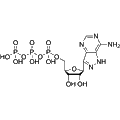
    Formycin triphosphate is a fluorescent analog of ATP, designed to bind to enzyme active sites and exhibit enhanced fluorescence. It acts as an ATP-competitive inhibitor of chicken liver pyruvate carboxylase, enabling the study of ATP-dependent pathways. Additionally, Formycin triphosphate potentiates atrial natriuretic factor (ANF)-stimulated guanylate cyclase activity with an EC50 of approximately 90 μM and inhibits ATP-stimulated guanylate cyclase activity with an IC50 of around 100 μM, making it valuable for research in cellular signaling and metabolic regulation.

    Out of stock

    All 3 sizes
  • BLT2 probe 1
    Cat. No.
    A61030

    BLT2 probe 1

    BLT2 probe 1 is a fluorescent probe designed to target the BLT2 receptor, based on the synthetic BLT2 agonist CAY10583. This probe is a valuable tool for exploring the pharmacological properties of BLT2 receptor ligands. It is particularly relevant for research focused on diabetic wound healing and gastrointestinal lesions, facilitating studies across various assay systems.

    Out of stock

    All 3 sizes
  • Y1R probe-1
    Cat. No.
    A62234

    Y1R probe-1

    Y1R probe-1 is a high-affinity fluorescence probe specifically designed for the Neuropeptide Y Y1 Receptor. This compound facilitates the study of receptor dynamics and has important applications in cancer research, enabling the exploration of Y1 receptor signaling pathways in various cancer models. Its fluorescent properties make it a valuable tool for in vivo imaging and cellular assays.

    Out of stock

    All 3 sizes
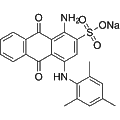
  • Acid blue 129
    Cat. No.
    A62905

    Acid blue 129

    Acid Blue 129 is an acidic dye with a selective antagonistic effect on the P2Y receptor in guinea pig taenia coli, demonstrating its utility in biological research related to purinergic signaling. This compound does not interact with the P2X receptor in rat vas deferens, highlighting its specificity. Additionally, Acid Blue 129 is suitable for dyeing various materials, including cotton, wool, silk, nylon, paper, and leather, making it versatile for both scientific and industrial applications.

    5 mg
    $350.00
    10 mg
    $650.00
    All 3 sizes
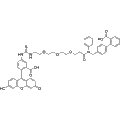
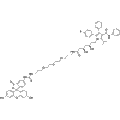
  • Atrovastatin-PEG3-FITC
    Cat. No.
    A63558

    Atrovastatin-PEG3-FITC

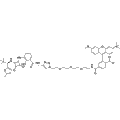
    Atrovastatin-PEG3-FITC is a KRAS-PDEδ interaction inhibitor that serves as a valuable tool in the study of KRAS signaling pathways. This compound can function as a ligand in fluorescence anisotropy assays, enabling researchers to investigate protein-protein interactions and their implications in cancer biology. Its application aids in understanding the role of KRAS in various malignancies and exploring potential therapeutic interventions.

    5 mg
    $100.00
    10 mg
    $170.00
    All 3 sizes
  • ARI-3144
    Cat. No.
    A64622

    ARI-3144

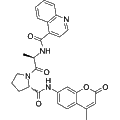
    ARI-3144 is a specific substrate for fibroblast activation protein (FAP), designed for effective detection and quantification. When coupled with the fluorophore 7-Amino-4-methylcoumarin (AMC), this substrate facilitates sensitive analysis of FAP activity in various biological samples. ARI-3144 is valuable in research applications related to cancer biology and tissue remodeling, enabling deeper insights into FAP functions and its role in disease progression.

    5 mg
    $335.00
    10 mg
    $515.00
    All 5 sizes
  • Tempone
    Cat. No.
    A65494

    Tempone

    Synonyms: 4-Oxo-Tempo

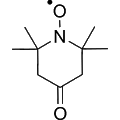
    Tempone (4-Oxo-Tempo) functions as a stable, water-soluble nitroxide radical and serves as a metabolically active contrast agent. Its primary applications include enhancing metabolic activity and assessing hypoxic sensitivity through electron spin resonance spectroscopy, magnetic resonance imaging, and dynamic nuclear polarization. Tempone exhibits superoxide dismutase (SOD)-mimetic activity, effectively reducing superoxide radicals and limiting the production of hydroxyl radicals and peroxynitrites. This compound is valuable in investigations of ischemia-reperfusion injury and acute renal failure.

    2 g
    $20.00
    10 g
    $25.00
    All 3 sizes
  • F-CRI1
    Cat. No.
    A65626

    F-CRI1

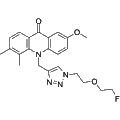
    F-CRI1 is a radioactive probe featuring an 18F-labeled modification, primarily targeting the Stimulator of Interferon Genes (STING) pathway. With a dissociation constant (Kd) of 40.62 nM, F-CRI1 serves as an effective agonist to investigate STING activity. This compound is valuable for studying STING visualization within the tumor microenvironment, facilitating insights into immune responses and potential therapeutic applications.

    Out of stock

    All 3 sizes
  • Fluciclovine
    Cat. No.
    A65877

    Fluciclovine

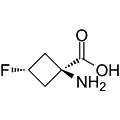
    Fluciclovine is an amino acid analogue that targets amino acid transporters, primarily ASCT2 and LAT1, facilitating cellular uptake. Labeled with ¹⁸F, ¹⁸F-fluciclovine serves as an imaging agent for positron emission tomography (PET), significantly enhancing diagnostic capabilities in prostate cancer imaging. This reagent is essential for research focused on the metabolic profiling of cancer and improving diagnostic precision in oncological studies.

    25 mg
    $1,275.00
    All 1 sizes
  • 1-Anthramine
    Cat. No.
    A66508

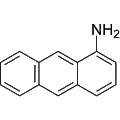
    1-Anthramine

    Synonyms: 1-Aminoanthracene

    1-Anthramine, also known as 1-aminoanthracene, acts as a fluorescent general anesthetic that enhances GABAergic transmission, exhibiting a binding affinity (Kd) of 0.1 mM to the general anesthetic site in horse spleen apoferritin (HSAF). Its fluorescent properties are significantly increased upon binding to HSAF, making it a valuable tool in research. Additionally, 1-Anthramine potentiates chloride currents induced by GABA and can reversibly inhibit the movement of Xenopus laevis, with an EC50 value of 16 μM, thus offering potential applications in neuroscience and anesthesiology studies.

    10 mg
    $25.00
    100 mg
    $35.00
    All 5 sizes
  • 3-Deoxy-3-fluoro-D-fructose
    Cat. No.
    A66998

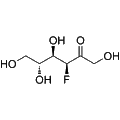
    3-Deoxy-3-fluoro-D-fructose

    3-Deoxy-3-fluoro-D-fructose is a selective probe for the hexose transporter 5 (GLUT5). This compound inhibits the transport of D-fructose labeled with carbon-14, demonstrating IC50 values of 1.16 µM in EMT-6 cells and 2.37 µM in MCF-7 cells. Its unique properties make 3-Deoxy-3-fluoro-D-fructose valuable for applications in positron emission tomography (PET) imaging, particularly in studying cancer metabolism and transport mechanisms.

    Out of stock

    All 3 sizes
  • PBFI-AM
    Cat. No.
    A68042

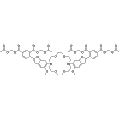
    PBFI-AM

    PBFI-AM is a potassium channel-sensitive fluorescent indicator that selectively binds to intracellular potassium ions (K+). This compound is primarily utilized to measure and analyze intracellular K+ concentrations within various cell types. It serves as a valuable reagent in studies involving ion channels, cellular signaling, and physiological responses to changes in potassium levels.

    1 mg
    $1,200.00
    All 1 sizes
  • 16-NBD-16:0 Coenzyme A triammonium
    Cat. No.
    A69266

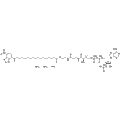
    16-NBD-16:0 Coenzyme A triammonium

    16-NBD-16:0 Coenzyme A triammonium serves as a fluorescent substrate specifically for the analysis of Acyltransferase activity. This reagent is instrumental in assessing the enzymatic kinetics and functionality of Acyltransferases in vitro. Its unique fluorescent properties enable sensitive detection and quantification, facilitating research in lipid metabolism and enzymology.

    1 mg
    $1,110.00
    All 1 sizes
  • SerSA
    Cat. No.
    A69404

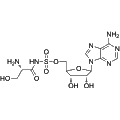
    SerSA

    SerSA is a selective inhibitor of seryl-tRNA synthetases, effectively targeting EcSerRS, SaSerRS, and HsSerRS with IC50 values of 0.21, 0.23, and 2.17 μM, respectively. This compound serves as a valuable chemical probe for investigating the role of seryl-tRNA synthetases in cellular processes. Its ability to modulate aminoacyl-tRNA synthesis highlights its potential in pharmaceutical research and studies on translation-related pathways.

    Out of stock

    All 3 sizes
  • L-Pyroglutamic acid 7-amido-4-methylcoumarin
    Cat. No.
    A69435

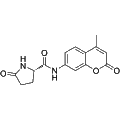
    L-Pyroglutamic acid 7-amido-4-methylcoumarin

    L-Pyroglutamic acid 7-amido-4-methylcoumarin serves as a fluorogenic substrate for pyroglutamate aminopeptidase 1 (PGP-1). This compound exhibits biological activity by enabling the detection of PGP-1 enzymatic activity through fluorescence development. It is primarily utilized in biochemical assays for characterizing the enzyme's function and studying related pathways in research applications.

    Out of stock

    All 3 sizes
  • RBM1-151
    Cat. No.
    A69621

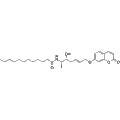
    RBM1-151

    RBM1-151 is a fluorogenic substrate specifically designed for amidases, including acid ceramidase (AC), N-acylethanolamine-hydrolyzing acid amidase (NAAA), and fatty acid amide hydrolase (FAAH). It exhibits hydrolysis rates characterized by appKm values of 7.0 μM, 0.73 μM, and 3.6 μM, respectively. This substrate is essential for studying lipid amidase functions in fundamental biological research and holds potential for diagnostic and prognostic applications in diseases such as Farber disease and various cancers linked to dysregulation of these enzymes.

    Out of stock

    All 3 sizes
  • Bodipy C12-ceramide
    Cat. No.
    A70352

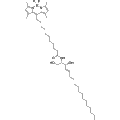
    Bodipy C12-ceramide

    Bodipy C12-ceramide (B12Cer) is a fluorescently labeled derivative of C12-Ceramide, characterized by excitation and emission maxima at 505 nm and 540 nm, respectively. This compound is formed through the hydrolysis of BODIPY-C12 sphingomyelin by acid sphingomyelinase in vitro. Bodipy C12-ceramide is primarily utilized for quantifying acid sphingomyelinase activity in plasma samples, particularly in studies related to Niemann-Pick disease, facilitating insights into sphingolipid metabolism and associated pathologies.

    0.5 mg
    $175.00
    1 mg
    $285.00
    All 3 sizes

Items 1976-2000 of 2505

Added to your cart

View Cart Checkout

    Loading...