Neurokinin Receptors

Neurokinin receptor antagonists block the tachykinin receptors activated by substance P, neurokinin A and neurokinin B. The three subtypes, neurokinin 1, 2 and 3 receptors (NK1, NK2, NK3), are G protein-coupled receptors with different preferred ligands. Their cloning in the late 1980s began with the bovine NK2 receptor and the rat NK1 receptor. Substance P binds NK1 with the highest affinity, and this receptor is studied in emesis, pain transmission and neurogenic inflammation. Most compounds here are NK1 antagonists, including aprepitant, its phosphate prodrug fosaprepitant, rolapitant and netupitant. Ibodutant is a selective NK2 receptor antagonist used to study smooth muscle contraction in the gut.

Items 126-150 of 195

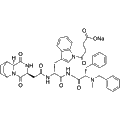
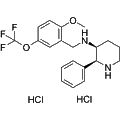
  • CP 122721 hydrochloride
    Cat. No.
    A62080

    CP 122721 hydrochloride

    CP 122721 hydrochloride is a potent, selective non-peptide antagonist of the neurokinin NK1 receptor, exhibiting a pIC50 of 9.8 in human NK1 receptor assays using IM-9 cells. This compound demonstrates significant anxiolytic and antidepressant-like properties, making it a valuable tool for research in anxiety and mood disorder studies. It is suitable for investigating the role of NK1 receptors in neuropsychiatric conditions.

    5 mg
    $270.00
    25 mg
    $1,060.00
    All 2 sizes
  • Dapitant
    Cat. No.
    A62082

    Dapitant

    Synonyms: RPR 100893

    Dapitant is a non-peptide antagonist targeting the neurokinin-1 (NK1) receptor, demonstrating high affinity for the human receptor. By inhibiting the binding of Substance P to NK1 receptors, Dapitant effectively blocks neurokinin-mediated biological effects. This compound serves as a potential therapeutic candidate for various conditions associated with Substance P, including neurogenic inflammation and pain modulation, making it valuable for research in pain management and inflammatory disorders.

    Out of stock

    All 3 sizes
  • FK888
    Cat. No.
    A62083

    FK888

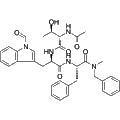
    FK888 is a highly selective dipeptide antagonist of the neurokinin-1 (NK1) receptor. It demonstrates a potent ability to displace [3H]-substance P binding, with a Ki value of 0.69 nM, making it an effective tool for studying NK1-related pathways. FK888 has been shown to inhibit substance P-induced airway edema in guinea pigs following both intravenous and oral administration, offering valuable insights for research in respiratory and inflammatory conditions.

    5 mg
    $465.00
    10 mg
    $760.00
    All 2 sizes
  • [Glp5,Sar9] Substance P (5-11)
    Cat. No.
    A62084

    [Glp5,Sar9] Substance P (5-11)

    [Glp5,Sar9] Substance P (5-11) is an analog of the neuropeptide Substance P, specifically designed to interact with the neurokinin-1 (NK1) receptor. This compound demonstrates potent biological activity by modulating pain perception and inflammatory responses, making it valuable in research focused on neurobiology and pain management. Its unique structure allows for the exploration of receptor binding and activity, facilitating the development of therapeutic agents targeting NK1 receptors.

    Out of stock

    All 3 sizes
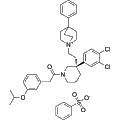
  • SLV-317 free base
    Cat. No.
    A62085

    SLV-317 free base

    SLV-317 free base is a potent antagonist of the neurokinin-1 receptor, demonstrating oral bioactivity. It effectively inhibits substance P-induced effects, making it valuable for research into neurogenic inflammation and pain pathways. This compound is suitable for studies focused on the modulation of neurokinin signaling and its implications in various neurological disorders.

    Out of stock

    All 3 sizes
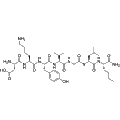
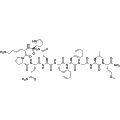
  • [Lys5,Tyr6,mLeu9,Nle10]-Neurokinin A (4-10)
    Cat. No.
    A62086

    [Lys5,Tyr6,mLeu9,Nle10]-Neurokinin A (4-10)

    [Lys5,Tyr6,mLeu9,Nle10]-Neurokinin A (4-10) is a selective agonist for the NK2 receptor (NK2R), exhibiting a potent EC50 of 3.7 nM for human NK2R. This compound has demonstrated significant biological activity by inhibiting weight loss in diet-induced obese mouse models and ameliorating Loperamide-induced voiding dysfunction in wild-type mice. It serves as a valuable tool for research into neurokinin receptor-mediated disorders, including obesity, insulin resistance, and type 2 diabetes.

    Out of stock

    All 3 sizes
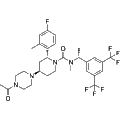
  • (R)-Casopitant
    Cat. No.
    A62087

    (R)-Casopitant

    Synonyms: (R)-GW679769

    (R)-Casopitant, an NK(1)-receptor antagonist, serves as an active compound for research applications targeting chemotherapy-induced nausea and vomiting. As the isomer of Casopitant, (R)-GW679769 offers potential insights into the modulation of neurokinin signaling pathways. This compound is instrumental in evaluating therapeutic strategies for alleviating chemotherapy-related side effects.

    5 mg
    $330.00
    10 mg
    $540.00
    All 5 sizes
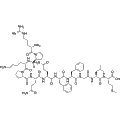
  • Substance P, Free Acid
    Cat. No.
    A62088

    Substance P, Free Acid

    Substance P, Free Acid is a native analog of substance P that offers structural similarity without the associated biological activity. This compound can be utilized in research focused on neuropeptide signaling pathways and the role of substance P in various physiological processes. Its unique properties make it suitable for studies investigating receptor interactions and neurogenic inflammation.

    1 mg
    $40.00
    5 mg
    $75.00
    All 4 sizes
  • SR140333B
    Cat. No.
    A62089

    SR140333B

    SR140333B is a selective inhibitor of the neurokinin-1 (NK1) receptor, primarily involved in modulating pain and inflammatory responses. This compound demonstrates significant efficacy in reducing LPS-induced fever and attenuating LPS-induced alterations in brain tissue in rat models. SR140333B is valuable for research focusing on neuroinflammation, pain pathways, and the therapeutic potential of NK1 receptor modulation.

    25 mg
    $2,535.00
    50 mg
    $3,265.00
    All 3 sizes
  • Benzomalvin A
    Cat. No.
    A62090

    Benzomalvin A

    Synonyms: (-)-Benzomalvin A

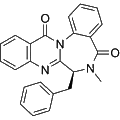
    Benzomalvin A is a potent antagonist of neurokinin receptors, derived from Penicillium sp. This compound demonstrates significant inhibitory activity against substance P, exhibiting Ki values of 12, 42, and 43 μM at guinea pig, rat, and human neurokinin NK1 receptors, respectively. Benzomalvin A is instrumental in research focused on neurokinin signaling pathways and its implications in various physiological and pathological processes.

    1 mg
    $630.00
    5 mg
    $1,615.00
    All 2 sizes
  • Leucyl-phenylalanine amide
    Cat. No.
    A62091

    Leucyl-phenylalanine amide

    Synonyms: L-Leucyl-L-phenylalaninamide

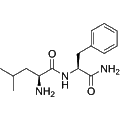
    Leucyl-phenylalanine amide is a dipeptide analog that serves as a specific ligand for the SP1-7 receptor, exhibiting a binding affinity characterized by a Ki value of 10.2 nM. This compound is valuable for research focused on neuropeptide signaling pathways and can be utilized in studies exploring the functional roles of SP1-7 in various physiological contexts. Notably, it does not show binding activity to human NK-1 or NK-3 receptors, making it a selective tool for targeted biological investigations.

    25 mg
    $1,275.00
    50 mg
    $1,625.00
    All 3 sizes
  • Maropitant citrate hydrate
    Cat. No.
    A62092

    Maropitant citrate hydrate

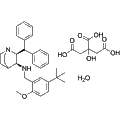
    Maropitant citrate hydrate is an orally active antagonist of the neurokinin-1 (NK1) receptor. It exhibits significant antiemetic properties, making it effective in preventing vomiting. Additionally, Maropitant has been reported to inhibit ulcerative dermatitis, highlighting its utility in various research applications related to gastrointestinal and inflammatory conditions.

    1 mg
    $40.00
    5 mg
    $75.00
    All 7 sizes
  • [MePhe8,Sar9] Substance P
    Cat. No.
    A62093

    [MePhe8,Sar9] Substance P

    Synonyms: [MePhe8-MeGly9] Substance P

    [MePhe8,Sar9] Substance P is an analog of the neuropeptide Substance P, functioning as a neurotransmitter and neuromodulator in the central nervous system (CNS). This compound exhibits biological activity relevant to pain modulation and neuroinflammation. It is utilized in research applications focused on the roles of neuropeptides in various physiological and pathological processes, including nociception and stress responses.

    Out of stock

    All 3 sizes
  • S 16474
    Cat. No.
    A62094

    S 16474

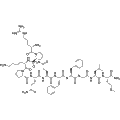
    S 16474 is a cyclic peptide that functions as an antagonist of NK1 and NK2 receptors. This compound demonstrates significant activity in modulating neurogenic inflammation. S 16474 is suitable for research applications focusing on pain pathways and inflammatory responses mediated by neurokinins.

    25 mg
    $1,275.00
    All 1 sizes
  • Substance P (2-11)
    Cat. No.
    A62096

    Substance P (2-11)

    Substance P (2-11) is a peptide fragment of Substance P that primarily targets neurokinin receptors. It exhibits contractile activity in guinea pig ileum, indicating its potential role in gastrointestinal motility. Additionally, Substance P (2-11) has been shown to inhibit the permeation of tritiated Substance P across blood-brain barrier endothelial cell monolayers, making it relevant for research in neurobiology and drug delivery.

    Out of stock

    All 3 sizes
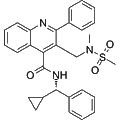
  • GSK256471
    Cat. No.
    A62097

    GSK256471

    GSK256471 is a non-peptide antagonist targeting the tachykinin NK3 receptor, exhibiting a pKi of 8.9 for the human recombinant receptor and 8.4 for the guinea pig native receptor. This compound demonstrates over 100-fold selectivity against NK1 (pKi = 5.2) and NK2 (pKi = 7.3) receptors. GSK256471 irreversibly inhibits neurokinin B (NKB)-induced inositol phosphate accumulation, and has been shown to mitigate wet dog shaking behavior and suppress dopamine release. This compound serves as a valuable tool for studying the pathophysiology of schizophrenia.

    25 mg
    $1,780.00
    50 mg
    $2,280.00
    All 3 sizes
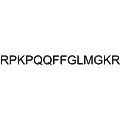
  • Substance P-Gly-Lys-Arg
    Cat. No.
    A62098

    Substance P-Gly-Lys-Arg

    Substance P-Gly-Lys-Arg is an analog of Substance P designed to interact with neurokinin receptors. This peptide exhibits key biological activity in modulating pain perception and inflammatory responses, making it a valuable tool for studying neuropeptide signaling pathways. Research applications include investigating the role of Substance P in pain management and exploring therapeutic avenues for neuroinflammatory conditions.

    Out of stock

    All 3 sizes
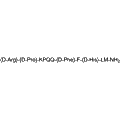
  • (D-Arg1,D-Pro2,D-Phe7,D-His9)-Substance P
    Cat. No.
    A62099

    (D-Arg1,D-Pro2,D-Phe7,D-His9)-Substance P

    (D-Arg1,D-Pro2,D-Phe7,D-His9)-Substance P is a selective antagonist of the neurokinin-1 (NK1) receptor. It exhibits significant biological activity by inhibiting NK1 receptor-mediated signaling pathways, which play a crucial role in pain perception, inflammation, and neurogenic responses. This compound is valuable for research in neurobiology, cancer therapy, and the development of analgesics targeting the NK1 receptor.

    Out of stock

    All 3 sizes
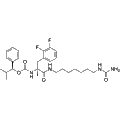
  • PD-161182
    Cat. No.
    A62100

    PD-161182

    PD-161182 is a non-peptide antagonist targeting the neurokinin-3 (NK-3) receptor. It exhibits potential activity in modulating NK-3 receptor-related pathways, making it a valuable tool for studying various central nervous system disturbances, as well as pain, inflammation, and diseases affecting the pulmonary and skin systems. This compound is essential for researchers exploring the therapeutic implications of NK-3 antagonism in these contexts.

    Out of stock

    All 3 sizes
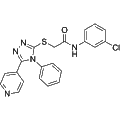
  • ASN-1377642
    Cat. No.
    A62101

    ASN-1377642

    ASN-1377642 is an NK1 receptor antagonist with a Ki value of 251 nM. This compound demonstrates antitumor activity, particularly in breast cancer cells that exhibit high expression of the NK1 receptor. ASN-1377642 may facilitate research into targeted cancer therapies and the role of neurokinin signaling in tumor progression.

    5 mg
    $240.00
    10 mg
    $400.00
    All 3 sizes
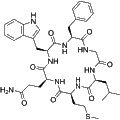
  • L-659877
    Cat. No.
    A62102

    L-659877

    Synonyms: Cyclo(Gln-Trp-Phe-Gly-Leu-Met)

    L-659877 is a neurokinin receptor antagonist that serves as a valuable tool for investigating peptide fragmentation and structural properties. This compound facilitates the study of collision-induced dissociation mechanisms, allowing researchers to analyze the structural changes of beta-fragment ions across varying lengths. Its application is essential for advancing understanding in neuropharmacology and peptide-based therapeutics.

    25 mg
    $1,405.00
    50 mg
    $1,790.00
    All 3 sizes
  • SCH 60057
    Cat. No.
    A62103

    SCH 60057

    SCH 60057 is a potent neurokinin receptor inhibitor, selectively targeting NK1 and NK2 receptors with IC50 values of 6 μM and 12 μM, respectively. This compound is derived from Acremonium sp. and is useful in research applications related to pain modulation, inflammation, and neurogenic disorders. Its ability to inhibit neurokinin signaling pathways makes it a valuable tool for investigating the roles of these receptors in various biological processes.

    Out of stock

    All 3 sizes
  • FR 113680
    Cat. No.
    A62104

    FR 113680

    FR 113680 is a tripeptide antagonist that selectively targets the NK1 neurokinin receptor, inhibiting the action of substance P. This compound displays significant biological activity in modulating pain and inflammatory responses. It is widely utilized in research exploring the role of neurokinin pathways in various neurological and psychiatric disorders.

    Out of stock

    All 3 sizes
  • (D-Pro2,D-Trp6,8,Nle10)-Neurokinin B
    Cat. No.
    A62105

    (D-Pro2,D-Trp6,8,Nle10)-Neurokinin B

    (D-Pro2,D-Trp6,8,Nle10)-Neurokinin B is a competitive antagonist of Neurokinin B, primarily targeting the Neurokinin Receptor, with a pA2 value of 5.5. This compound selectively inhibits Neurokinin B activity without affecting Substance P or Neurokinin A, making it valuable for studies of neuromodulation and neuropeptide signaling. Its ability to modulate neurokinin pathways is relevant for research in neurobiology and potential therapeutic applications related to pain and inflammatory responses.

    Out of stock

    All 3 sizes
  • Substance P (3-11)
    Cat. No.
    A62106

    Substance P (3-11)

    Substance P (3-11) is a truncated form of the neuropeptide Substance P that effectively crosses the blood-brain barrier. This fragment exhibits potent contracting activity on guinea pig ileum and stimulates chemotaxis in human monocytes. It is utilized in research focused on neuroinflammation, pain pathways, and immune response modulation.

    Out of stock

    All 3 sizes

Items 126-150 of 195

Added to your cart

View Cart Checkout

    Loading...