- Cat. No.
- A12242
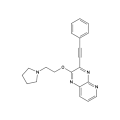
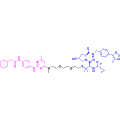
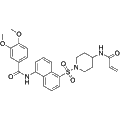
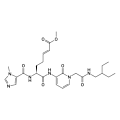
ZED-1227
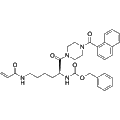
ZED-1227 is a specific and oral transglutaminase 2 (TG2) inhibitor, which can block inflammation-induced TG2 expression and activity. ZED-1227 is a promising agent for the treatment of celiac disease (CeD).
Search by product name, CAS, target or catalog number. Press Down Arrow to reach product suggestions, Tab to move between links, and Escape to close suggestions.
This category includes transglutaminase 2 (TG2) inhibitors and TG2-directed degraders for laboratory research. The selection covers reversible and irreversible inhibitors, alongside PROTAC degraders. These reagents are listed for studies of TG2, an enzyme involved in protein cross-linking and extracellular matrix biology. Consult individual product records for compound identity, reported mechanism and supporting references.
ZED-1227 is a specific and oral transglutaminase 2 (TG2) inhibitor, which can block inflammation-induced TG2 expression and activity. ZED-1227 is a promising agent for the treatment of celiac disease (CeD).
GK921 is a transglutaminase 2 (TGase) inhibitor with an IC50 of 7.71 μM for human recombinant TGase 2.
NTU281 is a potent inhibitor of transglutaminase-2, a key enzyme involved in various pathological processes. It has demonstrated the ability to reduce serum creatinine levels and albuminuria in diabetic rat models. Additionally, NTU281 is effective in decreasing glomerular collagen I accumulation, as well as the expression of Hic-5 and α-SMA, while also mitigating apoptosis. This compound is valuable for research focused on glomerulosclerosis associated with diabetes.
MD102 is a potent transglutaminase 2 (TG2) inhibitor with an IC50 value of 0.35 μM. By inhibiting TG2, MD102 enhances the stabilization of p53 and leads to a reduction in phosphorylated AKT and mTOR signaling pathways, ultimately promoting tumor cell apoptosis. This compound is valuable for research into cancer biology and therapeutic strategies targeting TG2-related pathways.
Out of stock
All 3 sizes
TG53 is a potent inhibitor of tissue transglutaminase (TG2) and the fibronectin (FN) protein-protein interaction. It effectively disrupts the formation of the integrin β1 complex and inhibits the activation of FAK and c-Src in SKOV3 cells during FN attachment. TG53 is valuable for investigating mechanisms involved in ovarian cancer research and studying cell adhesion processes.
PROTAC TG2 Degrader-3 functions as a targeted protein degrader specifically for transglutaminase 2 (TG2). This compound effectively inhibits the adhesion and migration of ovarian cancer cells, making it a valuable tool for research focused on ovarian cancer biology and therapeutics. By facilitating the degradation of TG2, it provides insights into the modulation of cancer cell behavior and the potential development of novel treatments.
Out of stock
All 3 sizes
TG2-IN-3h is a potent transglutaminase (TG2) inhibitor with an IC50 of 6 nM. This compound effectively inhibits endothelial cell migration and angiogenesis, thereby demonstrating significant biological activity in the modulation of fibrotic processes. TG2-IN-3h has shown promise in research applications related to metabolic diseases, including hypertensive nephropathy, as well as cardiovascular and cerebrovascular diseases associated with pathological angiogenesis.
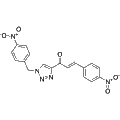
TG-2-IN-1 is a selective inhibitor of transglutaminase-2 (TGM-2) that modulates the enzymatic activity associated with various biological processes. This compound is primarily utilized in research applications concerning myopia, providing insights into the role of TGM-2 in ocular development and related pathologies. Its mechanism of action contributes to the understanding of tissue remodeling and cellular functions influenced by transglutaminase activity.
KCC009 is a selective transglutaminase 2 (TG2) inhibitor known for its ability to induce p53-independent radiosensitization in various cancer types. This compound enhances the efficacy of radiation therapy by modulating intracellular signaling pathways associated with cell survival and apoptosis. KCC009 is essential for research focused on developing novel cancer treatment strategies and exploring the role of TG2 in oncogenesis.
BJJF078 is a potent inhibitor of transglutaminase 2 (TG2) and transglutaminase 1 (TG1), with IC50 values of 41 nM and 0.16 μM, respectively. This aminopiperidine derivative demonstrates significant inhibition of TG2 activity in both human and mouse recombinant forms. BJJF078 is primarily utilized in research focused on multiple sclerosis (MS), facilitating investigations into the role of transglutaminases in disease pathology and potential therapeutic interventions.
TG2 inhibitor VA4 is an irreversible inhibitor of Type 2 transglutaminase (TG2). This compound selectively targets the transamidase site of TG2, effectively inhibiting both its transamidase and GTP-binding activities. TG2 inhibitor VA4 is utilized in research applications focused on fibrosis, neurodegenerative diseases, and cancer, facilitating the study of TG2's role in various biological processes.
PROTAC TG2 Degrader-2 is a selective degrader that targets Transglutaminase 2 (TG2). This compound effectively inhibits cell migration and reduces TG2 levels in ovarian cancer cells, making it a valuable tool for research into ovarian cancer biology. Its ability to modulate TG2 offers insights into potential therapeutic strategies against this malignancy.
TG-2-IN-4 is a potent transglutaminase 2 (TG2) inhibitor, exhibiting an IC50 of less than 0.5 mM. This compound is suitable for investigating the role of TG2 in inflammatory disorders, facilitating research into potential therapeutic interventions and the underlying mechanisms of related diseases. TG-2-IN-4 serves as a valuable tool for studying the implications of TG2 activity in various biological contexts.
TG-2-IN-5 is a reversible inhibitor of transglutaminase 2 (TG2), exhibiting a Ki of 1.0 μM for human TG2. This compound is valuable for investigating conditions associated with the upregulation of TG2-mediated acyl transfer, including fibrosis and cancer. TG-2-IN-5 serves as an important tool for research into therapeutic interventions targeting TG2-related pathways.
AA9 is a potent inhibitor of Transglutaminase 2 (TG2), a crucial enzyme involved in various cellular processes, including extracellular matrix remodeling and cell signaling. This compound demonstrated a significant effect on HIF-mediated hypoxia in MDA-MB-231 cells, suggesting its potential utility in cancer research, particularly in studying the mechanisms of tumor hypoxia and metastatic behavior. AA9 can be utilized in experiments investigating TG2's role in various pathological conditions and therapeutic contexts.
AA10 is a potent and irreversible inhibitor of transglutaminase 2 (TG2), an enzyme implicated in various cancer-related processes. This compound demonstrates significant biological activity in inhibiting TG2-mediated pathways, making it a valuable tool for cancer research. AA10 is suitable for studies investigating the role of TG2 in tumor progression and metastasis and may aid in the development of targeted therapies.
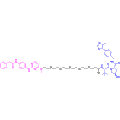
PROTAC TG2 degrader-1 is a von Hippel-Lindau (VHL)-based PROTAC designed to specifically target tissue transglutaminase (TG2) with a dissociation constant (KD) of 68.9 μM. This compound effectively induces the degradation of TG2 in ovarian cancer cells through a proteasome-dependent mechanism. It serves as a valuable tool for research investigating the role of TG2 in cancer biology and potential therapeutic applications.
Out of stock
All 3 sizes