- Cat. No.
- A20851
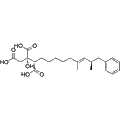
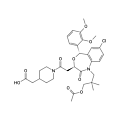
Lapaquistat acetate
Synonyms: TAK-475
Lapaquistat acetate (TAK-475) is a squalene synthase inhibitor, blocking the conversion of farnesyl diphosphate (FPP) to squalene.
Search by product name, CAS, target or catalog number. Press Down Arrow to reach product suggestions, Tab to move between links, and Escape to close suggestions.
Cholesterol and lipoprotein metabolism compounds target sterol synthesis and lipoprotein handling. Cholesterol is built through the mevalonate pathway, which also yields farnesyl and geranylgeranyl pyrophosphate for protein prenylation. Lapaquistat acetate and L-731120 inhibit squalene synthase, the branch point that commits farnesyl pyrophosphate to sterol synthesis. NE 10790 acts on farnesyl pyrophosphate synthase (FPPS), while hGGPPS-IN-1 blocks human geranylgeranyl pyrophosphate synthase. Intracellular sterol transport is addressed by Y18501, an inhibitor of oxysterol-binding protein (OSBP). Pelacarsen sodium is an antisense oligonucleotide directed against apolipoprotein(a), the protein that distinguishes lipoprotein(a) from low-density lipoprotein particles.
Synonyms: TAK-475
Lapaquistat acetate (TAK-475) is a squalene synthase inhibitor, blocking the conversion of farnesyl diphosphate (FPP) to squalene.
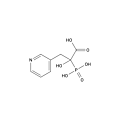
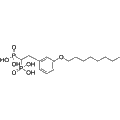
Synonyms: 3-PEHPC
NE 10790, a poor farnesyl pyrophosphate synthase inhibitor, is a phosphonocarboxylate analogue of the potent bisphosphonate risedronate and is a weak antiresorptive agent.
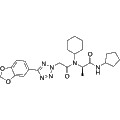
L-731120 is a potent inhibitor of squalene synthase (SQS), with an IC50 value of 260 nM. This compound effectively reduces cholesterol synthesis in the liver, making it a valuable tool for studying metabolic diseases, including hypercholesterolemia. Additionally, L-731120 may be utilized in research focused on infectious diseases due to its metabolic modulating effects.
Out of stock
All 3 sizes
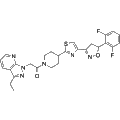
Y18501 is a potent oxysterol-binding protein (OSBP) inhibitor known for its structural similarity to Oxathiapiprolin. It exhibits strong inhibitory effects against various strains of Phytophthora spp. and Pseudoperonospora cubensis, with EC50 values ranging from 0.0005 to 0.0046 μg/mL. In addition, Y18501 demonstrates both protective and curative efficacy against P. cubensis, particularly when used in combination with Chlorothalonil, enhancing its inhibitory capacity. This compound is valuable for research applications focused on plant pathology and disease management.
Out of stock
All 3 sizes
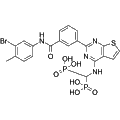
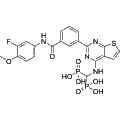
hGGPPS-IN-3 is a potent inhibitor of human geranylgeranyl pyrophosphate synthase (hGGPPS), functioning through specific disruption of the enzyme's activity. This compound is an analogue of C-2-substituted thienopyrimidine-based bisphosphonates, demonstrating significant antimyeloma activity both in vitro and in vivo. hGGPPS-IN-3 promotes target-selective apoptosis in multiple myeloma cells, making it a valuable tool in cancer research aimed at understanding and treating myeloma.
CML-07-119 is a selective inhibitor of geranylgeranyl diphosphate synthase (GGPPS), exhibiting an IC50 of approximately 27 nM. This compound induces apoptosis and demonstrates significant anticancer activity against acute myeloid leukemia (AML) cells, including those with TP53 mutations. In preclinical studies, CML-07-119 effectively inhibits tumor growth in AML mouse xenograft models, highlighting its potential utility in AML research.
Out of stock
All 3 sizes
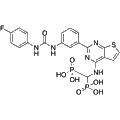
hGGPPS-IN-2 is a potent inhibitor of human geranylgeranyl pyrophosphate synthase (hGGPPS) and functions through selective disruption of geranylgeranylation processes. This compound induces targeted apoptosis in multiple myeloma (MM) cells, demonstrating significant antimyeloma activity both in vitro and in vivo. hGGPPS-IN-2 serves as a valuable tool for research into the molecular mechanisms underlying myeloma pathogenesis and potential therapeutic strategies.
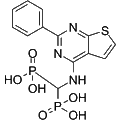
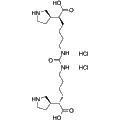
hGGPPS-IN-1 is a potent inhibitor of human geranylgeranyl pyrophosphate synthase (hGGPPS), targeting a critical enzyme involved in the isoprenoid biosynthetic pathway. This compound demonstrated effective induction of apoptosis in multiple myeloma (MM) cells, showcasing its potential as an antimyeloma agent in vivo. hGGPPS-IN-1 represents a promising tool for researchers investigating therapeutic strategies against multiple myeloma and related malignancies.
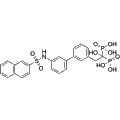
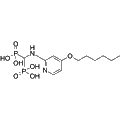
BPH-675 is a potent inhibitor of geranylgeranyl diphosphate synthase (GGPPS), exhibiting an IC50 value of 0.71 μM. This large bisphosphonate compound possesses long hydrophobic side chains, enhancing its selectivity and efficacy. BPH-675 has been shown to induce apoptosis in human umbilical vein endothelial cells (HUVECs), making it a valuable tool for studying the role of GGPPS in various biological processes. Its application extends to research focusing on cell signaling pathways and cancer biology.
Out of stock
All 3 sizes
Synonyms: AKCEA-APO(a)-LRx sodium; ISIS 681257 sodium; TQJ230 sodium
Pelacarsen sodium is an apolipoprotein(a) inhibitor that functions as a GalNAc3-conjugated 2′-MOE-modified antisense oligonucleotide. By specifically targeting and reducing levels of apolipoprotein(a), Pelacarsen sodium plays a significant role in lipid metabolism and cardiovascular disease research. It is valuable for studies aimed at exploring new therapies for atherosclerosis and other related conditions.
Synonyms: AKCEA-APO(a)-LRx; ISIS 681257; TQJ230
Pelacarsen is an apolipoprotein(a) inhibitor that functions as a GalNAc3-conjugated 2′-MOE-modified antisense oligonucleotide. This compound effectively reduces levels of apolipoprotein(a), making it valuable in research focused on lipid metabolism and cardiovascular diseases. It is commonly utilized in studies addressing dyslipidemia and atherogenic conditions linked to elevated lipoprotein(a) levels.
Synonyms: SBF-1
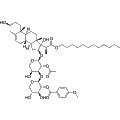
23-Oxa-OSW-1 is a potent inhibitor of the oxysterol-binding protein (OSBP). This compound exhibits significant antitumor activity, making it a valuable tool for research into cancer biology. It aids in the exploration of OSBP's role in cellular processes and its potential as a therapeutic target in oncology.
Out of stock
All 3 sizes
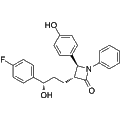
Desfluoro-ezetimibe is a desfluoro impurity of Ezetimibe, which acts as an effective cholesterol absorption inhibitor. It functions primarily by targeting the Niemann-Pick C1-like1 (NPC1L1) protein, thereby reducing intestinal cholesterol uptake. This compound is utilized in research focused on lipid metabolism, cardiovascular health, and the mechanistic study of Nrf2 pathway activation in relation to cholesterol homeostasis.
TH-Z93 is a potent farnesyl pyrophosphate synthase (FPPS) inhibitor, demonstrating an IC50 of 90 nM. This bisphosphonate compound exhibits lipophilic properties, facilitating its efficacy in modulating mevalonate pathway activity. TH-Z93 is applicable in research exploring cholesterol biosynthesis and the effects of isoprenoid synthesis inhibition in various biological systems.
TH-Z145 is a lipophilic bisphosphonate that acts as a farnesyl pyrophosphate synthase (FPPS) inhibitor, with an IC50 of 210 nM. This compound demonstrates significant inhibition of the mevalonate pathway, impacting isoprenoid biosynthesis. TH-Z145 is valuable for research applications exploring its effects on bone metabolism, cancer progression, and various diseases linked to dysregulated cholesterol synthesis.
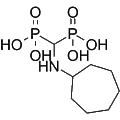
Incadronic acid is a specific inhibitor of farnesyl diphosphate synthase (FPPS), demonstrating potent activity in various biological systems. It effectively inhibits the proliferation of Dictyostelium discoideum with an IC50 of 1.6 μM and exhibits a Ki of 23 nM against FPPS in Leishmania major. Additionally, Incadronic acid influences bone metabolism by inhibiting bone resorption and reducing bone loss, making it relevant for osteoporosis research. Furthermore, it impacts the proliferation of RAW264.7, PC-3, and MCF-7 cell lines, with IC50 values ranging from 48 to 228.6 µM, indicating its potential in cancer research applications.
ML279 is a potent inhibitor of scavenger receptor class B type I (SR-BI). This compound effectively inhibits SR-BI-mediated lipid uptake by stabilizing HDL binding to SR-BI, with an EC50 value of 0.27 μM. ML279 is suitable for research applications related to infection and cardiovascular diseases, including atherosclerosis and hepatitis C virus (HCV) infection.
Out of stock
All 3 sizes
Lp(a)-IN-8 is a selective antagonist of lipoprotein(a) [Lp(a)], a recognized causal risk factor for atherosclerotic cardiovascular disease (ASCVD). This compound effectively inhibits Lp(a) accumulation, offering potential for reducing cardiovascular risk. Research applications include investigations into ASCVD mechanisms and therapeutic strategies targeting Lp(a) modulation.
Out of stock
All 3 sizes
Synonyms: SDZ-HDL 376
HDL376 is a potent inhibitor of scavenger receptor class B type I (SR-BI), effectively blocking SR-BI-mediated lipid transport in cellular models as well as in liposomes containing purified SR-BI, with an IC50 value of 0.22 μM. This compound is valuable for investigating the role of SR-BI in lipid metabolism and its implications in atherosclerotic coronary artery disease. Such research may provide insights into potential therapeutic strategies targeting SR-BI to mitigate cardiovascular risk.
ML278 is a selective inhibitor of scavenger receptor class B type I (SR-BI), exhibiting an IC50 of 6 nM. This compound effectively enhances high-density lipoprotein (HDL) binding while simultaneously inhibiting SR-BI mediated lipid uptake. ML278 is valuable for research applications focused on metabolic disorders and related pathways.
BLT-3 is a selective inhibitor of scavenger receptor class B type I (SR-BI), demonstrating reversible inhibition of SR-BI-mediated lipid transport. It effectively suppresses SR-BI-mediated selective lipid uptake from high-density lipoprotein (HDL) and cholesterol efflux from cells to HDL, while enhancing HDL binding to SR-BI. This compound is valuable in research focused on atherosclerosis and coronary heart disease.
ABCA1 Inducer 2 is a selective inducer of the ATP-binding cassette transporter A1 (ABCA1), acting primarily through the liver X receptor (LXR) pathway. This compound effectively upregulates ABCA1 expression, leading to a reduction in oxidized low-density lipoprotein (ox-LDL)-induced lipid accumulation, which in turn inhibits the formation of foam cells. Due to its ability to modulate lipid homeostasis, ABCA1 Inducer 2 is of significant interest for research on atherosclerosis and related cardiovascular diseases.
ABCA1 Inducer 3 is a potent inducer of the ATP-binding cassette transporter A1 (ABCA1), known for its role in lipid modulation. This compound enhances ABCA1 expression and significantly upregulates hepatic Abcg5 and Abcg8 mRNA levels, promoting cholesterol efflux. Its primary research applications include investigations into lipid metabolism and the management of hyperlipidemia.
Out of stock
All 3 sizes
Synonyms: ARO-ANG3
Zodasiran is a small interfering RNA (siRNA) designed to inhibit angiopoietin-like protein 3 (ANGPTL3) in the liver. This inhibition plays a crucial role in lipid metabolism regulation, contributing to potential therapeutic applications in dyslipidemia and cardiovascular diseases. Zodasiran is a valuable tool for research studies focused on lipid regulation and metabolic disorders.
Synonyms: ARO-ANG3 sodium
Zodasiran sodium is a small interfering RNA (siRNA) designed to specifically inhibit angiopoietin-like protein 3 (ANGPTL3) in hepatic tissues. This compound plays a critical role in lipid metabolism and has significant implications for the study of dyslipidemia and cardiovascular diseases. Zodasiran sodium is utilized in research applications aimed at investigating the therapeutic potential of ANGPTL3 modulation in metabolic disorders.
Out of stock
All 3 sizes