
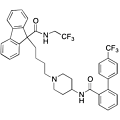
- Cat. No.
- A12778
Lomitapide
Lomitapide is a potent microsomal triglyceride transfer protein (MTP) inhibitor.
Search by product name, CAS, target or catalog number. Press Down Arrow to reach product suggestions, Tab to move between links, and Escape to close suggestions.
Microsomal triglyceride transfer protein (MTP) inhibitors block the assembly of lipoproteins. MTP is a heterodimer of a large lipid transfer subunit and protein disulfide isomerase in the lumen of the endoplasmic reticulum. It loads triglycerides onto apolipoprotein B (apoB) to form very-low-density lipoproteins in the liver and chylomicrons in the intestine. The protein was found to be absent in abetalipoproteinemia in 1992, a disorder in which apoB-containing lipoproteins are missing from plasma. In 1998 an MTP inhibitor, the compound later named lomitapide, normalized atherogenic lipoprotein levels in Watanabe heritable hyperlipidemic rabbits. Lomitapide, implitapide, dirlotapide and SLX-4090 are inhibitors used to study lipoprotein secretion and dietary fat absorption.
Lomitapide is a potent microsomal triglyceride transfer protein (MTP) inhibitor.
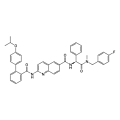
PF-02575799 is a microsomal triglyceride transfer protein (MTP) inhibitor with an IC50 of 0.77±0.29 nM.
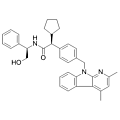
Synonyms: AEGR 427
Implitapide (AEGR 427) is a microsomal triglyceride transfer protein (MTP) inhibitor.
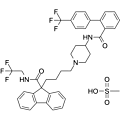
Synonyms: AEGR-733 mesylate; AEGR733; BMS-201038 mesylate; BMS 201038
Lomitapide mesylate(AEGR-733; BMS-201038) is an inhibitor of microsomal triglyceride-transfer protein (MTP) wtih in vitro IC50 of 8 nM.
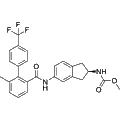
LAB687 is a potent inhibitor of microsomal triglyceride transfer protein (MTP), exhibiting an IC50 of 0.9 nM in reducing apoB secretion from HepG2 cells. Additionally, LAB687 acts as an antagonist of the Smoothened (Smo) receptor, with IC50 values of 2.48 μM in mouse and 3.42 μM in human Smo. This compound effectively lowers triglyceride and LDL cholesterol levels while inhibiting the Hedgehog signaling pathway, making it a valuable tool in cardiovascular and cancer research.
Out of stock
All 3 sizes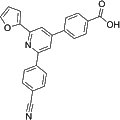
MTP3 ligand-1 is a ligand for the MTP3 target involved in PROTAC-mediated degradation. This compound facilitates the degradation of MYC through the PROTAC MTP3 degrade-1 system, enabling targeted protein degradation studies. MTP3 ligand-1 is essential for elucidating MYC's role in various biological processes and its implications in cancer research and therapeutic development.
Out of stock
All 3 sizes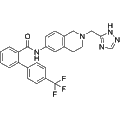
CP-346086 is a potent inhibitor of microsomal triglyceride transfer protein (MTP), exhibiting an IC50 of 2.0 nM for both human and rodent MTP. This compound effectively reduces plasma cholesterol and triglyceride levels in vivo, making it a valuable tool for studying lipid metabolism and cardiovascular diseases. Its pharmacological properties position CP-346086 as a significant reagent for research into dyslipidemia and related metabolic conditions.
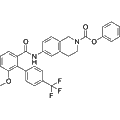
SLX-4090 is an orally active inhibitor of the microsomal triglyceride transfer protein (MTP), exhibiting an IC50 of 8.0 nM. This compound primarily targets enterocytes, making it a valuable tool for investigating dyslipidemia. Its ability to modulate lipid metabolism positions SLX-4090 as a significant reagent for research into metabolic disorders and related therapeutic strategies.
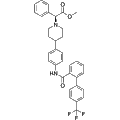
Synonyms: JNJ-16269110
Usistapide is a potent inhibitor of microsomal triglyceride transfer protein (MTP). It exhibits significant biological activity in the modulation of lipid metabolism and is primarily utilized in research focused on obesity and associated metabolic disorders. This compound provides valuable insights into therapies targeting lipid absorption and transport.
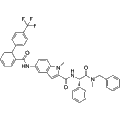
Synonyms: CP742033; Slentrol
Dirlotapide is a selective inhibitor of microsomal triglyceride transfer protein (MTP), primarily targeting lipid metabolism pathways. This compound demonstrates key biological activity in promoting weight loss by modulating triglyceride transfer and absorption. Dirlotapide is applicable in research focused on obesity and metabolic disorders, offering insights into lipid regulation and potential therapeutic strategies.
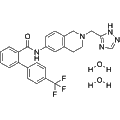
CP-346086 dihydrate is a potent inhibitor of microsomal triglyceride transfer protein (MTP), with an IC50 of 2.0 nM for both human and rodent MTP. This compound effectively reduces plasma cholesterol and triglyceride levels in vivo, making it a valuable tool for research into lipid metabolism and cardiovascular disease. Its oral bioavailability enhances its utility in pharmacological studies related to lipid disorders.
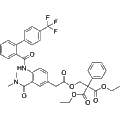
Synonyms: JTT-130
Granotapide is an orally active microsomal triglyceride transfer protein (MTP) inhibitor. By inhibiting MTP, Granotapide effectively reduces the absorption of cholesterol and triglycerides, making it a valuable tool for studying dyslipidemia. This compound is primarily utilized in research applications focused on lipid metabolism and associated disorders.
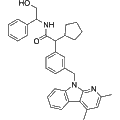
Implitapide Racemate is a microsomal triglyceride transfer protein (MTP) inhibitor. By inhibiting MTP, it plays a crucial role in lipid metabolism, leading to decreased triglyceride levels in circulation. This compound is primarily utilized in research related to metabolic diseases and lipid disorders, aiding in the understanding of MTP's role in cardiovascular health and potential therapeutic interventions.
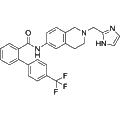
CP-319340 free base is an inhibitor of microsomal triglyceride transfer protein (MTP), which plays a critical role in lipid metabolism. By inhibiting MTP, this compound reduces the transfer of triglycerides, leading to decreased apolipoprotein B-containing lipoprotein assembly and secretion. CP-319340 is primarily utilized in research applications focused on metabolic disorders, particularly those associated with dyslipidemia and cardiovascular disease.