All Dyes

All Dyes is the single product list for the Fluorescent Dyes, Probes & Stains section. Many dyes here have no application or dye-family subcategory, so the list is the broadest way to browse the range. It suits searches by product name when the required dye is already known. Examples range from the near-infrared cyanine indocyanine green and the ratiometric calcium indicator Fura-2 pentapotassium to the nucleic acid stains Hoechst 33258 trihydrochloride and SYBR Green II. Classical stains such as hematoxylin, reactive labeling dyes and enzyme substrates are listed alongside them. For selection by task or by core structure, the parent Fluorescent Dyes, Probes & Stains page groups dyes by application and dye family.

Items 401-425 of 2505

  • Rose Bengal
    Cat. No.
    A33203

    Rose Bengal

    Rose Bengal is a water-soluble photosensitive dye exhibiting significant antibacterial activity through both dark-state and light-activated mechanisms. It demonstrates lethal photodynamic effects against S. carlsbergensis under aerobic light conditions while also inhibiting the growth of S. aureus in the dark. Furthermore, Rose Bengal restricts colony size in filamentous fungi and suppresses the growth of diffusive fungi. This compound is valuable for research related to infections and photodynamic therapy applications.

    5 g
    $20.00
    All 1 sizes
  • CBO-P11
    Cat. No.
    A34812

    CBO-P11

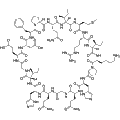
    CBO-P11 is a tumor vascular targeting agent that specifically binds to the vascular endothelial growth factor receptor 2 (VEGFR-2). This compound is designed for applications in tumor angiogenesis research, allowing for the targeted delivery of therapeutic agents. CBO-P11 is functionalized with a near-infrared cyanine dye containing an alkyne moiety, enabling efficient "click" chemistry with azide-modified nanoparticles and facilitating fluorescence labeling for imaging studies.

    Out of stock

    All 3 sizes
  • 10-Methyl-9-(phenoxycarbonyl)acridinium (fluorosulfonate)
    Cat. No.
    A35160

    10-Methyl-9-(phenoxycarbonyl)acridinium (fluorosulfonate)

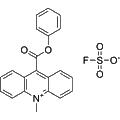
    10-Methyl-9-(phenoxycarbonyl)acridinium fluorosulfonate is a fluorescent dye that selectively targets reactive oxygen species (ROS) kinases, facilitating the detection of hydrogen peroxide. This compound exhibits chemiluminescent properties under neutral conditions, making it suitable for various biological research applications. Its utility in studying oxidative stress and ROS signaling pathways provides researchers with a valuable tool for investigating cellular responses and mechanisms of disease.

    2 mg
    $45.00
    5 mg
    $50.00
    All 5 sizes
  • Carminic acid
    Cat. No.
    A35858

    Carminic acid

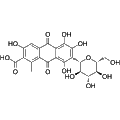
    Carminic acid is a natural red pigment known for its primary mechanism as a coloring agent. It exhibits significant anti-inflammatory and antioxidant activities, making it valuable for research applications in various biological studies. This compound is utilized across industries such as food, cosmetics, and pharmaceuticals to impart color while contributing to health-related research.

    50 mg
    $25.00
    100 mg
    $30.00
    All 3 sizes
  • DiFMUP
    Cat. No.
    A36174

    DiFMUP

    Synonyms: 6,8-Difluoro-4-methylumbelliferyl phosphate

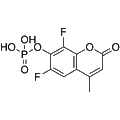
    DiFMUP is a fluorogenic substrate specifically designed for the continuous detection of phosphatase activities. Upon hydrolysis by phosphatases, DiFMUP releases the fluorescent compound DIFMU, enabling real-time monitoring of enzymatic reactions using a fluorescence reader. This reagent is valuable for studying phosphatase functions in various biological contexts and contributes to the understanding of cellular signaling pathways.

    2 mg
    $55.00
    5 mg
    $95.00
    All 6 sizes
  • 4-Methylumbelliferyl phosphate
    Cat. No.
    A36181

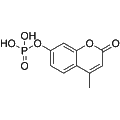
    4-Methylumbelliferyl phosphate

    Synonyms: 4-MUP; MUP

    4-Methylumbelliferyl phosphate is a fluorogenic substrate for acid and alkaline phosphatases. Upon dephosphorylation, it produces a fluorescent product, enabling sensitive detection in enzyme activity assays. This reagent is widely utilized in research applications involving phosphatase activity, enzymatic kinetics, and biological assays requiring fluorescent readout. Additionally, it serves as a nerve agent simulant in various experimental contexts.

    50 mg
    $25.00
    100 mg
    $35.00
    All 4 sizes
  • Fast Blue B Salt, Dye content ~95%
    Cat. No.
    A36188

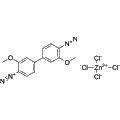
    Fast Blue B Salt, Dye content ~95%

    Fast Blue B Salt is a diazo dye that serves as a chromogenic substrate in biochemical analysis. It acts as a coupling agent for histochemical demonstration of proteases, facilitating the detection of acid phosphatase in Clostridium perfringens and the determination of lipase activity. Additionally, Fast Blue B Salt directly reacts with active hydroxyl groups in phenolic compounds, allowing for the quantification of phenolic substances.

    500 mg
    $25.00
    1 g
    $35.00
    All 4 sizes
  • 12-NBD Stearate
    Cat. No.
    A36406

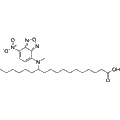
    12-NBD Stearate

    12-NBD Stearate is a fluorescent fatty acid analogue that targets fatty acid binding proteins (FABPs) and sterol carrier protein-2 (SCP-2). Its ability to bind to these proteins enhances the transport of long-chain fatty acids, particularly in systems overexpressing SCP-2 isoforms. This reagent serves as a valuable tool for studying the uptake and internalization of long-chain fatty acids through microscopic techniques, facilitating insights into lipid metabolism and transport mechanisms.

    Out of stock

    All 3 sizes
  • 4-Methylumbelliferyl phosphate disodium
    Cat. No.
    A36426

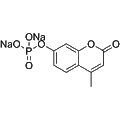
    4-Methylumbelliferyl phosphate disodium

    Synonyms: 4-MUP disodium; MUP disodium

    4-Methylumbelliferyl phosphate disodium is a fluorogenic substrate specifically designed for detecting acid and alkaline phosphatase activity. Upon dephosphorylation, it produces a highly fluorescent compound, enabling sensitive measurement and analysis of phosphatase activity in various biological samples. This reagent is utilized primarily in biochemical assays and research applications focused on enzyme characterization and activity monitoring. Additionally, it serves as a nerve agent simulant for studies related to neurotoxicity and pharmaceutical development.

    Out of stock

    All 3 sizes
  • SHP1-IN-1
    Cat. No.
    A36430

    SHP1-IN-1

    SHP1-IN-1 is a selective fluorescent probe for the protein tyrosine phosphatase SHP1, targeting its Src homology 2 domain. This compound demonstrates potent SHP1 inhibitory activity and exhibits excellent selectivity for Fe3+ ions, making it suitable for various biochemical assays. Additionally, SHP1-IN-1 displays favorable fluorescence characteristics, including an aggregation-caused quenching (ACQ) effect, good interference immunity, and a low detection limit of 5.55 μM, facilitating its use in research applications related to signal transduction and phosphatase activity studies.

    Out of stock

    All 3 sizes
  • ALP Green
    Cat. No.
    A36444

    ALP Green

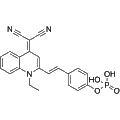
    ALP Green is an amphiphilic fluorescent probe designed for detecting alkaline phosphatase (ALP) activity, with an emission wavelength of 550 nm. This probe is particularly useful in studying liver injury induced by acetaminophen (APAP) through its specific interaction with ALP. Researchers can utilize ALP Green to gain insights into liver function and enzyme activity in various biological assays.

    Out of stock

    All 3 sizes
  • MU1742
    Cat. No.
    A36875

    MU1742

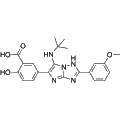
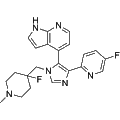
    MU1742 is a selective probe for the protein kinases CK1δ and CK1ε. It demonstrates potent inhibitory activity, making it a valuable tool for investigating the roles of these kinases in various cellular processes. This compound is suitable for research applications aimed at elucidating CK1-mediated signaling pathways and exploring potential therapeutic targets in cancer and other diseases.

    1 mg
    $400.00
    5 mg
    $1,000.00
    All 2 sizes
  • 2,3-Diaminophenazine
    Cat. No.
    A37295

    2,3-Diaminophenazine

    Synonyms: 2,3-Phenazinediamine; NNC39-0028

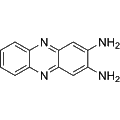
    2,3-Diaminophenazine is a potent photosensitizer known for its ability to intercalate into DNA and initiate photochemical reactions. This compound demonstrates significant biological activity by inhibiting vascular hypertrophy and reducing tissue advanced glycation end-products (AGE) deposition in diabetic rat models. 2,3-Diaminophenazine is particularly valuable in luminescence studies and diabetes research, making it a versatile reagent for exploring therapeutic applications in these areas.

    50 mg
    $25.00
    100 mg
    $35.00
    All 2 sizes
  • Geldanamycin-FITC
    Cat. No.
    A37468

    Geldanamycin-FITC

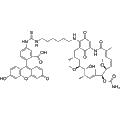
    Geldanamycin-FITC is a fluorescent probe that specifically targets HSP90. This compound enables the evaluation of HSP90 inhibitors through fluorescence polarization assays and can effectively detect cell surface HSP90 with an excitation/emission wavelength of 488/515 nm. It serves as a valuable tool in understanding HSP90-related biological processes and evaluating therapeutic interventions in diseases associated with this chaperone protein.

    1 mg
    $440.00
    5 mg
    $1,230.00
    All 3 sizes
  • HS-27
    Cat. No.
    A37513

    HS-27

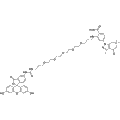
    HS-27 is a fluorescently-tethered inhibitor targeting Heat Shock Protein 90 (Hsp90), facilitating the assessment of surface Hsp90 expression on intact tissue specimens. Comprising core elements of SNX-5422 linked through a PEG spacer to a fluorescein derivative, HS-27 selectively binds to ectopically expressed Hsp90. This reagent is particularly valuable in breast cancer research, providing a tool for applications involving visualization and treatment strategies.

    1 mg
    $75.00
    5 mg
    $185.00
    All 6 sizes
  • HA15-Biotin
    Cat. No.
    A37542

    HA15-Biotin

    HA15-Biotin is a chemical probe that targets the interactions involved in cellular signaling pathways. It retains the biological activity of HA15, facilitating its use in proteomic analysis. This compound enables researchers to study protein interactions and modifications, providing essential insights into cellular mechanisms.

    25 mg
    $1,275.00
    All 1 sizes
  • HS-131
    Cat. No.
    A37616

    HS-131

    HS-131 is a dye-tethered inhibitor that targets heat shock protein 90 (Hsp90). This compound exhibits the ability to selectively bind to and inhibit Hsp90, facilitating the detection of oncogene-driven breast cancers across various molecular subtypes. HS-131 is a valuable research tool for studying the role of Hsp90 in cancer biology and for developing novel therapeutic strategies targeting breast cancer.

    Out of stock

    All 3 sizes
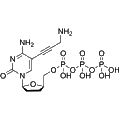
  • 5-Propargylamino-ddCTP
    Cat. No.
    A38073

    5-Propargylamino-ddCTP

    5-Propargylamino-ddCTP is a nucleoside molecule designed for the synthesis of cyanine dye-nucleotide conjugates, enabling effective nucleic acid labeling and sequence analysis. This reagent facilitates the incorporation of fluorescent tags into nucleic acids, enhancing their detection and quantification in various molecular biology applications. Its versatility makes it suitable for studies involving DNA and RNA visualization.

    25 mg
    $1,275.00
    All 1 sizes
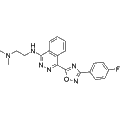
  • RNA splicing modulator 5
    Cat. No.
    A38406

    RNA splicing modulator 5

    RNA Splicing Modulator 5 is a small molecule probe that specifically targets the K-turn region of U4/U6 snRNA, impacting RNA structure stability. This compound effectively inhibits the binding of U4/U6 snRNA to Snu13 protein, with an IC50 value of 3.2 μM. RNA Splicing Modulator 5 is valuable for research applications involving RNA splicing regulation and RNA-protein interactions.

    Out of stock

    All 3 sizes
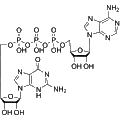
  • Guanosine 5'-triphosphate-5'-adenosine
    Cat. No.
    A38756

    Guanosine 5'-triphosphate-5'-adenosine

    Synonyms: GpppA

    Guanosine 5'-triphosphate-5'-adenosine (GpppA) serves as a fluorescent substrate analog targeting RNA synthesis in vitro. As a 5′ cap analog, it plays a pivotal role in facilitating the incorporation of nucleotides during RNA transcription and can be utilized in various research applications, including studies of mRNA capping and translation initiation.

    Out of stock

    All 3 sizes
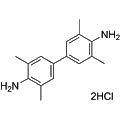
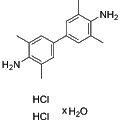
  • TMB dihydrochloride
    Cat. No.
    A38826

    TMB dihydrochloride

    Synonyms: BM blue dihydrochloride; Sure Blue TMB dihydrochloride

    TMB dihydrochloride is a chromogenic agent primarily utilized in enzyme detection systems involving horseradish peroxidase (HRP). This non-toxic, non-mutagenic dye undergoes oxidation in the presence of reactive oxygen and nitrogen species (ROS/RNS), yielding blue products that can be quantitatively measured. Additionally, TMB dihydrochloride serves as a photoacoustic probe, effectively detecting singlet oxygen in microbial samples, such as Escherichia coli ATCC 25922, thus supporting research in oxidative stress and cellular signaling pathways.

    500 mg
    $20.00
    1 g
    $25.00
    All 3 sizes
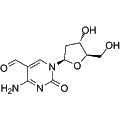
  • 2'-Deoxy-5-formylcytidine
    Cat. No.
    A38833

    2'-Deoxy-5-formylcytidine

    2'-Deoxy-5-formylcytidine serves as an internal triplet photosensitizer targeting DNA. This compound is effective in generating reactive species upon light activation, leading to DNA photodamage. Its role in uncovering new hotspots for photodamage makes it a valuable tool for research in DNA damage and repair mechanisms.

    5 mg
    $125.00
    10 mg
    $200.00
    All 5 sizes
  • TMB dihydrochloride x.hydrate
    Cat. No.
    A38900

    TMB dihydrochloride x.hydrate

    Synonyms: Sure Blue TMB dihydrochloride x.hydrate

    TMB dihydrochloride x.hydrate serves as a chromogenic agent, primarily utilized in enzyme detection systems involving horseradish peroxidase (HRP). This non-toxic, non-mutagenic, and colorless dye demonstrates key biological activity by acting as a photoacoustic probe for reactive oxygen and nitrogen species (ROS/RNS), effectively reacting with hypochlorite, hydrogen peroxide, singlet oxygen, and nitrogen dioxide to yield blue oxidation products. Additionally, TMB dihydrochloride x.hydrate is capable of detecting singlet oxygen generated by the outer membrane of Escherichia coli ATCC 25922, making it valuable for various biochemical research applications.

    25 mg
    $20.00
    50 mg
    $25.00
    All 8 sizes
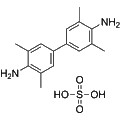
  • TMB monosulfate
    Cat. No.
    A38956

    TMB monosulfate

    Synonyms: BM blue monosulfate; Sure Blue TMB monosulfate

    TMB monosulfate is a chromogenic agent primarily utilized in enzyme detection systems that involve horseradish peroxidase (HRP). This non-toxic and non-mutagenic colorless dye effectively reacts with reactive oxygen and nitrogen species (ROS/RNS), including hypochlorite, hydrogen peroxide, singlet oxygen, and nitrogen dioxide, generating distinct blue oxidation products. Additionally, TMB monosulfate serves as a photoacoustic probe, demonstrating the capability to detect singlet oxygen produced by Escherichia coli ATCC 25922, making it valuable for various biological and biochemical research applications.

    25 mg
    $20.00
    50 mg
    $25.00
    All 3 sizes
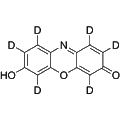
  • Resorufin-d6
    Cat. No.
    A38974

    Resorufin-d6

    Synonyms: NSC 12097-d6

    Resorufin-d6 is a deuterium-labeled derivative of Resorufin, functioning as a stable isotope for research applications. This fluorescent compound is widely used for the sensitive detection of reactive oxygen species (ROS) and reactive nitrogen species (RNS) in biological samples. Its high fluorescence enables precise analytical measurements, making it essential for studies focused on oxidative stress, cellular signaling, and related biological processes.

    1 mg
    $255.00
    All 1 sizes

Items 401-425 of 2505

Added to your cart

View Cart Checkout

    Loading...