Endogenous Metabolite

Endogenous metabolites are small molecules made by the body's own metabolism, such as amino acids and steroids. They are used as metabolomics standards, as enzyme substrates and as tools to probe how metabolic pathways are regulated. L-Citrulline, an intermediate of the urea cycle, is also formed when nitric oxide synthase produces nitric oxide. 17-Hydroxyprogesterone is a steroid intermediate on the route to cortisol. Prostaglandin E1 represents the eicosanoids, a group of lipid mediators derived from fatty acids. Nicotinamide riboside chloride is a precursor of nicotinamide adenine dinucleotide (NAD+), the cofactor used by sirtuins.

Items 51-75 of 161

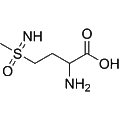
  • Methionine sulfoximine
    Cat. No.
    A71447

    Methionine sulfoximine

    Synonyms: 2-Amino-4-(S-methylsulfonimidoyl)butanoic acid

    Methionine sulfoximine is an irreversible inhibitor of glutamine synthetase, impacting the metabolism of glutamate and glutamine. Its unique properties make it valuable for neurobiological research, particularly in the study of epilepsy and related mechanisms. Investigating its convulsive effects aids in understanding the underlying biochemical pathways involved in neurological conditions.

    5 mg
    $30.00
    10 mg
    $40.00
    All 5 sizes
  • Pyridoxylamine
    Cat. No.
    A71449

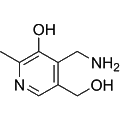
    Pyridoxylamine

    Pyridoxylamine acts as an inhibitor of advanced glycation end products (AGEs) and lipoxidation end products (ALEs). This compound demonstrates protective effects against diabetes-induced retinal vascular lesions, making it valuable in diabetes research. Pyridoxylamine serves as a critical tool for studying the mechanisms underlying diabetic complications and may provide insights into therapeutic strategies for managing such conditions.

    10 mg
    $30.00
    25 mg
    $50.00
    All 4 sizes
  • EpoY
    Cat. No.
    A71521

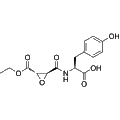
    EpoY

    Synonyms: SD-142

    EpoY is an irreversible inhibitor of tubulin tyrosine carboxypeptidase (TCP), a critical enzyme complex involving vasohibin-1 (VASH1) and small vasohibin binding protein (SVBP). It exhibits an IC50 of approximately 500 nM, leading to a reduction in detyrosinated alpha-tubulin levels, which impacts microtubule dynamics and neuronal differentiation. EpoY's inhibition of TCP is significant for research into neuronal differentiation defects and associated pathologies, including cancer and cardiomyopathies.

    1 mg
    $110.00
    5 mg
    $275.00
    All 5 sizes
  • Ac-Ala-OH
    Cat. No.
    A71540

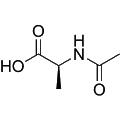
    Ac-Ala-OH

    Ac-Ala-OH is an endogenous metabolite that acts as an inhibitor of aminopeptidase prominent in various biological processes. This compound has been demonstrated to inhibit the activity of APEH, making it a valuable tool in the field of cancer research, particularly in studies related to breast cancer. Its role in modulating peptide metabolism offers potential insights into cancer biology and therapeutic strategies.

    500 mg
    $25.00
    1 g
    $30.00
    All 4 sizes
  • L-Homocystine
    Cat. No.
    A71581

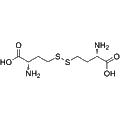
    L-Homocystine

    L-Homocystine, an oxidized form of L-homocysteine, serves as an endogenous metabolite with significant implications in cardiovascular research. It is recognized as a pro-thrombotic agent, an inhibitor of vasodilation, and a pro-inflammatory factor, all of which are critical in understanding the mechanisms underlying cardiovascular diseases. Additionally, L-homocystine is involved in inducing endoplasmic reticulum stress, making it a valuable tool for investigating cellular stress responses.

    100 mg
    $25.00
    200 mg
    $30.00
    All 4 sizes
  • 14,15-Epoxyeicosatrienoic acid
    Cat. No.
    A71601

    14,15-Epoxyeicosatrienoic acid

    Synonyms: 14,15-EET

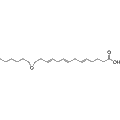
    14,15-Epoxyeicosatrienoic acid (14,15-EET) is an endogenous metabolite derived from arachidonic acid. It functions as a potent inhibitor of in vivo platelet aggregation and promotes astrocytic clearance of amyloid-beta, making it relevant for Alzheimer's Disease research. 14,15-EET serves as a valuable tool for investigating its role in neuroinflammatory processes and cardiovascular health.

    0.025 mg
    $280.00
    0.05 mg
    $450.00
    All 2 sizes
  • H-HoArg-OH
    Cat. No.
    A71667

    H-HoArg-OH

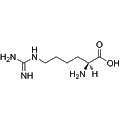
    H-HoArg-OH is an endogenous metabolite that acts as a potent inhibitor of human bone and liver alkaline phosphatase. This compound is valuable for investigating the role of alkaline phosphatase in bone and liver metabolism, providing insights into various biological processes and diseases. Its inhibitory properties make it a useful tool for studying related enzymatic pathways in biochemical research.

    1 g
    $20.00
    5 g
    $40.00
    All 4 sizes
  • AubipyOMe
    Cat. No.
    A71718

    AubipyOMe

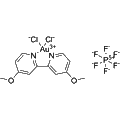
    AubipyOMe is a selective inhibitor of tartrate-resistant acid phosphatase (TRAP/ACP5), a metalloenzyme implicated in osteoclast and macrophage activity. It exhibits IC50 values of 1.3 μM for TRAP5a and 1.8 μM for TRAP5b, effectively inhibiting TRAP activity in murine macrophage extracts and human lung tissue. This compound is valuable for studying bone resorption and macrophage function in various biological contexts.

    5 mg
    $265.00
    10 mg
    $435.00
    All 2 sizes
  • CRCD2
    Cat. No.
    A71724

    CRCD2

    CRCD2 is a small molecule inhibitor of the nucleotidase NT5C2, enhancing the cytotoxic effects of 6-mercaptopurine. It effectively reverses resistance to 6-mercaptopurine caused by NT5C2 gene mutations or non-genetic mechanisms. When used in combination with 6-mercaptopurine, CRCD2 enhances cytotoxic activity in NT5C2 wild-type leukemia, indicating its potential as a therapeutic agent in the treatment of acute lymphoblastic leukemia.

    1 mg
    $55.00
    5 mg
    $140.00
    All 6 sizes
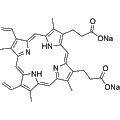
  • Protoporphyrin IX (disodium)
    Cat. No.
    A71827

    Protoporphyrin IX (disodium)

    Synonyms: PPIX (disodium)

    Protoporphyrin IX (disodium) is a key metabolite in the heme biosynthetic pathway, functioning primarily as a radiation sensitizer. It enhances the generation of reactive oxygen species (ROS) even under hypoxic conditions, thereby inducing DNA damage. This compound also serves as a photosensitizer, undergoing photodegradation when exposed to light. Notably, Protoporphyrin IX (disodium) accumulates in tumor cells following administration of 5-aminolevulinic acid (5-ALA) and demonstrates selective efficacy against basal cell carcinoma when activated at a wavelength of 405 nm. Its properties make it a valuable candidate for research into sonodynamic and photodynamic therapies for various cancers, including bladder cancer.

    10 mg
    $25.00
    25 mg
    $50.00
    All 4 sizes
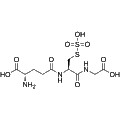
  • Glutathione sulfonate
    Cat. No.
    A71884

    Glutathione sulfonate

    Synonyms: S-Sulfoglutathione

    Glutathione sulfonate (S-Sulfoglutathione) is a competitive inhibitor of glutathione S-transferase, targeting its substrate binding site, which significantly impacts the enzyme's catalytic activity. This endogenous metabolite is known for its multifunctional properties, including the inhibition of angiogenesis and tumor growth. It plays a crucial role in the detoxification of various exogenous and endogenous compounds and is valuable for research applications focusing on cancer biology and metabolic processes.

    5 mg
    $100.00
    10 mg
    $170.00
    All 5 sizes
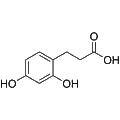
  • 3-(2,4-Dihydroxyphenyl)propanoic acid
    Cat. No.
    A71931

    3-(2,4-Dihydroxyphenyl)propanoic acid

    3-(2,4-Dihydroxyphenyl)propanoic acid is a competitive inhibitor of tyrosinase, primarily targeting the conversion of L-Tyrosine and DL-DOPA. It exhibits potent inhibitory effects, with an IC50 of 3.02 μM and a Ki of 11.5 μM. This compound is valuable in research applications focused on melanogenesis, skin pigmentation, and the study of related metabolic pathways.

    5 mg
    $20.00
    10 mg
    $25.00
    All 6 sizes
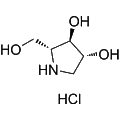
  • 1,4-Dideoxy-1,4-imino-D-arabinitol hydrochloride
    Cat. No.
    A72279

    1,4-Dideoxy-1,4-imino-D-arabinitol hydrochloride

    1,4-Dideoxy-1,4-imino-D-arabinitol hydrochloride is an endogenous metabolite that functions as an inhibitor of glycogen phosphorylase and α-glucosidases. This naturally occurring pyrrolidine alkaloid, isolated from Arachniodes standishii and Angylocalyx boutiqueanus, plays a critical role in carbohydrate metabolism. Its unique inhibitory properties make it valuable for research applications in studying metabolic disorders and enzyme regulation.

    1 mg
    $70.00
    5 mg
    $315.00
    All 4 sizes
  • S-(2,4-Dinitrophenyl)glutathione
    Cat. No.
    A72377

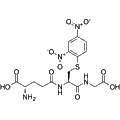
    S-(2,4-Dinitrophenyl)glutathione

    S-(2,4-Dinitrophenyl)glutathione is an irreversible inhibitor of glutathione reductase, featuring a Ki value of 30 µM. This compound serves as a substrate for glutathione-S-transferase and plays a significant role in studying oxidative stress and related biochemical pathways. It is particularly useful in research focused on the modulation of redox signaling and the evaluation of antioxidant defenses in various biological systems.

    1 mg
    $130.00
    5 mg
    $400.00
    All 3 sizes
  • XR5944
    Cat. No.
    A72392

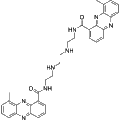
    XR5944

    XR5944 is a potent topoisomerase inhibitor that targets DNA, demonstrating significant anti-tumor activity. It effectively inhibits the activities of both topoisomerase I and II, showcasing impressive potency across various cell lines, with IC50 values ranging from 0.04 to 0.4 nM. XR5944 remains effective in overcoming atypical drug resistance mechanisms, including cells overexpressing P-glycoprotein and multidrug resistance-related proteins. This compound has shown remarkable anti-tumor efficacy in preclinical models of H69 small cell lung cancer and HT29 colon cancer, inducing tumor regression in multiple cases. XR5944 is valuable for research on colon and lung cancer biological processes.

    1 mg
    $180.00
    5 mg
    $465.00
    All 4 sizes
  • Moschamine
    Cat. No.
    A72532

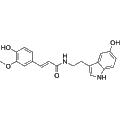
    Moschamine

    Moschamine is an endogenous metabolite that functions as an inhibitor of excessive superoxide production in mitochondria. This compound has been shown to modulate oxidative stress, making it a valuable tool for research on mitochondrial dysfunction and related metabolic disorders. Its biological activity has implications for studies investigating the roles of reactive oxygen species in cellular injury and age-related diseases.

    5 mg
    $65.00
    10 mg
    $105.00
    All 6 sizes
  • SEP-227900
    Cat. No.
    A72583

    SEP-227900

    SEP-227900 is a potent and orally bioavailable inhibitor of D-amino acid oxidase (DAO). It exhibits significant biological activity that may benefit conditions related to vitamin D metabolism and sunlight exposure. This compound holds promise for enhancing cancer prognosis and is applicable in research focusing on metabolic pathways and related diseases.

    50 mg
    $20.00
    100 mg
    $30.00
    All 5 sizes
  • Dapagliflozin-3-O-β-D-glucuronide
    Cat. No.
    A72592

    Dapagliflozin-3-O-β-D-glucuronide

    Synonyms: BMS-801576

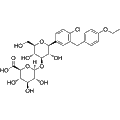
    Dapagliflozin-3-O-β-D-glucuronide is an endogenous metabolite of Dapagliflozin, produced primarily by the enzyme uridine diphosphate glucuronosyltransferase-1A9 (UGT1A9) in the liver and kidney. This compound plays a crucial role in the pharmacokinetics of Dapagliflozin, a selective inhibitor of sodium-glucose co-transporter 2 (SGLT2), which is utilized for improving glycemic control in type 2 diabetes management. Its study is significant in understanding drug metabolism and therapeutic efficacy in diabetic conditions.

    0.5 mg
    $280.00
    1 mg
    $470.00
    All 2 sizes
  • Tetrachlorvinphos
    Cat. No.
    A72813

    Tetrachlorvinphos

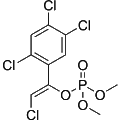
    Tetrachlorvinphos is an organophosphorus compound that primarily acts as a cholinesterase inhibitor. This metabolite is commonly utilized in agricultural settings for pest control due to its effectiveness against a variety of insects. With low toxicity to mammals, tetrachlorvinphos serves as a useful tool for studying pesticide interactions and their effects on non-target organisms.

    250 mg
    $100.00
    1 g
    $250.00
    All 3 sizes
  • aPKC-IN-2
    Cat. No.
    A72867

    aPKC-IN-2

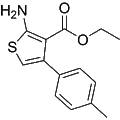
    aPKC-IN-2 is a selective inhibitor of atypical protein kinase C (aPKC), targeting its activity to modulate cellular signaling pathways. This compound effectively reduces vascular endothelial permeability in both in vitro and in vivo models, demonstrating significant actions against vascular endothelial growth factor (VEGF) and tumor necrosis factor (TNF). aPKC-IN-2 interferes with NFκB-mediated gene transcription, highlighting its role in regulating inflammatory responses. The EC50 value of aPKC-IN-2 is in the low nanomolar range, laying the groundwork for advancing small molecule aPKC inhibitors in therapeutic research.

    5 mg
    $25.00
    10 mg
    $40.00
    All 6 sizes
  • MAGL-IN-3
    Cat. No.
    A72883

    MAGL-IN-3

    MAGL-IN-3 is a selective inhibitor of monoacylglycerol lipase (MAGL) with an IC50 of 34.1 nM. This compound effectively reduces hydrogen peroxide-induced lactate dehydrogenase (LDH) release in Neuro2a cells at a concentration of 1 μM. Additionally, administration of MAGL-IN-3 at a dosage of 10 mg/kg significantly elevates levels of 2-arachidonoyl glycerol in mouse brain, making it a valuable tool for studying endocannabinoid signaling and neurobiological processes.

    1 mg
    $110.00
    5 mg
    $300.00
    All 3 sizes
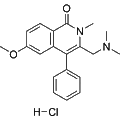
  • ISQ-1 hydrochloride
    Cat. No.
    A72967

    ISQ-1 hydrochloride

    ISQ-1 hydrochloride is an isoquinolinone compound that functions as an inhibitor of the IKur potassium channel. It demonstrates potential to influence cardiac electrophysiology by modulating arrhythmic activity in atrial tissues. This reagent is primarily utilized in research focused on cardiac rhythm disorders and electrophysiological studies of heart functions.

    25 mg
    $1,275.00
    50 mg
    $1,625.00
    All 3 sizes
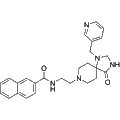
  • ML395
    Cat. No.
    A72987

    ML395

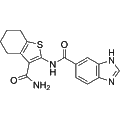
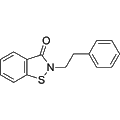
    ML395 is a potent and selective allosteric inhibitor of phospholipase D2, demonstrating significant antiviral activity. With a cellular IC50 value for PLD2 of 360 nM and an IC50 value for PLD1 exceeding 30,000 nM, it exhibits remarkable selectivity. ML395 possesses favorable pharmacokinetic profiles in vitro and superior physicochemical properties compared to other phospholipase inhibitors. Its efficacy has been validated in cell-based assays against various strains of the influenza virus, including H1, H3, H5, and H7, making it a valuable tool for antiviral research.

    25 mg
    $1,655.00
    50 mg
    $2,115.00
    All 3 sizes
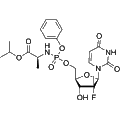
  • GS-9851
    Cat. No.
    A72993

    GS-9851

    Synonyms: PSI-7851

    GS-9851 is a potent inhibitor of the hepatitis C virus (HCV) nonstructural protein 5B (NS5B), making it a valuable tool for researching HCV infection. This compound exhibits favorable tolerability, particularly in patients with initial HCV genotype 1 infections. Due to its pharmacokinetic profile, GS-9851 is rapidly eliminated from the body, with a half-life of approximately one hour.

    25 mg
    $1,275.00
    50 mg
    $1,625.00
    All 3 sizes
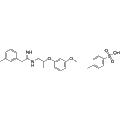
  • Xylamidine tosylate
    Cat. No.
    A73012

    Xylamidine tosylate

    Xylamidine tosylate is a serotonin inhibitor that modulates the serotonin system and exhibits reproductive activity. This compound is instrumental in investigating reproductive processes and their underlying mechanisms. Xylamidine tosylate serves as a valuable tool in experimental research focused on serotonin's role in reproductive biology.

    25 mg
    $1,275.00
    50 mg
    $1,625.00
    All 3 sizes

Items 51-75 of 161

Added to your cart

View Cart Checkout

    Loading...