Endogenous Metabolite

Endogenous metabolites are small molecules made by the body's own metabolism, such as amino acids and steroids. They are used as metabolomics standards, as enzyme substrates and as tools to probe how metabolic pathways are regulated. L-Citrulline, an intermediate of the urea cycle, is also formed when nitric oxide synthase produces nitric oxide. 17-Hydroxyprogesterone is a steroid intermediate on the route to cortisol. Prostaglandin E1 represents the eicosanoids, a group of lipid mediators derived from fatty acids. Nicotinamide riboside chloride is a precursor of nicotinamide adenine dinucleotide (NAD+), the cofactor used by sirtuins.

Items 26-50 of 161

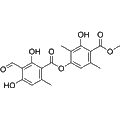
  • Atranorin
    Cat. No.
    A24806

    Atranorin

    Atranorin is a secondary metabolite derived from lichens that acts as an AKT inhibitor. This compound demonstrates a wide range of biological activities, including antibacterial, anti-inflammatory, antioxidant, anti-glycation, analgesic, and anti-tumor effects. Notably, Atranorin has IC50 values of 117 μM for scavenging DPPH free radicals and less than 10 μM for ABTS radicals, highlighting its potent antioxidant capacity. Additionally, Atranorin promotes wound healing and can be utilized in research focused on myelodysplastic syndromes, tumors, and various inflammatory conditions.

    1 mg
    $70.00
    5 mg
    $170.00
    All 3 sizes
  • D-Allose
    Cat. No.
    A26007

    D-Allose

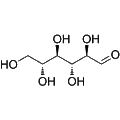
    D-Allose is an endogenous metabolite that exhibits significant antitumor activity against various cancer cell types. It functions by scavenging reactive oxygen species (ROS) and mitigating oxidative stress damage. Furthermore, D-Allose demonstrates anti-inflammatory and neuroprotective effects through the inhibition of the TLR4/PI3K/AKT signaling pathway. Additionally, it possesses antihypertensive, cryoprotective, and anti-osteoporotic activities, making it a valuable candidate for diverse research applications in cancer, inflammation, and metabolic disorders.

    50 mg
    $30.00
    100 mg
    $40.00
    All 4 sizes
  • L-Cystine hydrochloride
    Cat. No.
    A27085

    L-Cystine hydrochloride

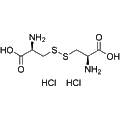
    L-Cystine hydrochloride is an endogenous metabolite that serves as a potent Nrf2 activator and reactive oxygen species (ROS) inhibitor. It enhances Nrf2 protein expression, facilitating transcriptional responses that combat oxidative stress. Research indicates that L-Cystine hydrochloride reduces ROS generation and protects cells from apoptosis induced by oxidants or Doxorubicin. Additionally, its combination with L-theanine has been shown to boost antigen-specific IgG production by elevating glutathione levels and promoting T helper 2 (Th2) responses. This compound has significant potential for studying cystinuria and kidney stone formation.

    1 g
    $20.00
    5 g
    $50.00
    All 2 sizes
  • Dihydrocompactin
    Cat. No.
    A27152

    Dihydrocompactin

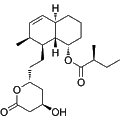
    Dihydrocompactin is an antifungal metabolite that acts primarily as an inhibitor of 3-hydroxy-3-methylglutaryl coenzyme-A reductase (HMG-CoA reductase). This compound, derived from Penicillium citrinum, exhibits significant antifungal activity and is valuable in studying fungal infections and metabolic pathways. Dihydrocompactin may be used in research focused on the development of antifungal agents and the elucidation of HMG-CoA reductase's role in cellular processes.

    Out of stock

    All 3 sizes
  • 5,6-Dihydroxyindole
    Cat. No.
    A28545

    5,6-Dihydroxyindole

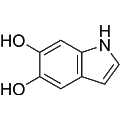
    5,6-Dihydroxyindole is a bacterial inhibitor known for its broad-spectrum antibacterial, antifungal, antiviral, and antiparasitic activities. As a precursor in melanin synthesis, it exhibits cytotoxic properties, demonstrating significant toxicity against a variety of pathogenic organisms. This compound is valuable for research applications focused on antimicrobial resistance and the development of novel therapeutic agents.

    100 mg
    $25.00
    1 g
    $50.00
    All 3 sizes
  • α-Hydroxyglutaric acid
    Cat. No.
    A29322

    α-Hydroxyglutaric acid

    Synonyms: 2-Hydroxyglutarate; 2-Hydroxyglutaric acid; 2-Hydroxypentanedioic acid

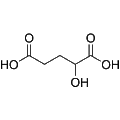
    α-Hydroxyglutaric acid is an endogenous metabolite that acts as a competitive inhibitor of various α-ketoglutarate-dependent dioxygenases, including histone demethylases and the TET enzyme family responsible for converting 5-methylcytosine (5mC) to hydroxymethylcytosine (5hmC). This compound is instrumental in epigenetic research, influencing histone modification and DNA methylation processes. Its role in metabolic pathways also makes it valuable for studying glioma metabolism and hypoxia-related conditions.

    5 mg
    $295.00
    10 mg
    $415.00
    All 3 sizes
  • L-Histidine
    Cat. No.
    A30824

    L-Histidine

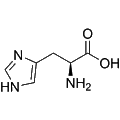
    L-Histidine is an essential amino acid that serves as an important metabolic precursor in various physiological processes. It plays a critical role in protein synthesis and is particularly vital for growth in infants. Additionally, L-Histidine functions as an inhibitor of mitochondrial glutamine transport, highlighting its relevance in mitochondrial function studies. This compound is frequently utilized in biochemical research and nutritional studies.

    500 mg
    $30.00
    1 g
    $35.00
    All 2 sizes
  • Succinyl phosphonate
    Cat. No.
    A39019

    Succinyl phosphonate

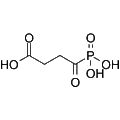
    Succinyl phosphonate is a selective inhibitor of α-ketoglutarate dehydrogenase (KGDHC) and 2-oxoglutarate dehydrogenase (OGDH). It effectively inhibits KGDHC activity in various cell types including muscle, bacterial, brain, and cultured human fibroblasts, demonstrating distinct effects on cell viability influenced by metabolic conditions in cancer cells. Additionally, succinyl phosphonate trisodium salt is known to reduce glutamate-induced reactive oxygen species (ROS) production in glutamate-stimulated hippocampal neurons, making it a valuable tool for studies in metabolic pathways and neurotoxicity.

    1 mg
    $235.00
    All 1 sizes
  • Moracin M
    Cat. No.
    A39356

    Moracin M

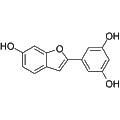
    Moracin M is a phenolic compound derived from Mori Cortex that acts as a potent inhibitor of phosphodiesterase-4 (PDE4), exhibiting IC50 values of 2.9, 4.5, >40, and >100 μM for PDE4D2, PDE4B2, PDE5A1, and PDE9A2, respectively. This compound demonstrates significant anti-inflammatory activity, making it a valuable tool for research in inflammation and related signaling pathways. Its potential applications include studying the role of PDE inhibition in various disease models.

    1 mg
    $25.00
    5 mg
    $65.00
    All 6 sizes
  • DL-Norvaline
    Cat. No.
    A44002

    DL-Norvaline

    Synonyms: 2-Aminopentanoic acid

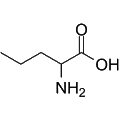
    DL-Norvaline is a derivative of L-norvaline that serves as a non-competitive inhibitor of arginase. By inhibiting this enzyme, DL-Norvaline can influence the L-arginine metabolism pathway, affecting nitric oxide production and supporting various biological processes. It is utilized in research applications focused on metabolic pathways, nitric oxide synthesis, and related physiological effects.

    100 mg
    $20.00
    500 mg
    $25.00
    All 6 sizes
  • Maleic acid
    Cat. No.
    A47894

    Maleic acid

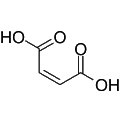
    Maleic acid is an endogenous metabolite that acts as an inhibitor of Glutamate Decarboxylase (GAD) in various bacterial species, including Escherichia coli and Listeria monocytogenes. It is primarily utilized in research applications investigating GAD activity and its implications in metabolic pathways. This compound is valuable for studies focused on microbial metabolism and the modulation of related biochemical processes.

    200 mg
    $25.00
    500 mg
    $30.00
    All 3 sizes
  • Arylomycin B5
    Cat. No.
    A50100

    Arylomycin B5

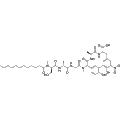
    Arylomycin B5, a microbial metabolite, functions as an inhibitor of bacterial protein synthesis by targeting the ribosomal peptidyl transferase center. This compound exhibits notable antimicrobial activity, particularly against gram-positive bacteria, making it a valuable tool for research in antibiotic development and resistance mechanisms. Its structural similarity to Arylomycin B2 further supports its potential for exploring new therapeutic avenues in microbiology.

    Out of stock

    All 3 sizes
  • L-Canaline
    Cat. No.
    A52256

    L-Canaline

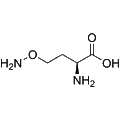
    L-Canaline is a nonprotein amino acid primarily associated with leguminous plants. It acts as a potent and irreversible inhibitor of ornithine aminotransferase and exhibits cytotoxic properties. L-Canaline has demonstrated significant antiproliferative effects and inhibits the growth of the malaria parasite Plasmodium falciparum, with an IC50 value of 297 nM. This compound is valuable for research applications in cancer biology and metabolic studies involving endogenous metabolites.

    1 mg
    $140.00
    5 mg
    $445.00
    All 4 sizes
  • Asterriquinol D dimethyl ether
    Cat. No.
    A52718

    Asterriquinol D dimethyl ether

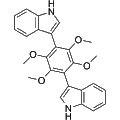
    Asterriquinol D dimethyl ether is a fungal metabolite that acts as an inhibitor of cell proliferation in mouse myeloma NS-1 cell lines, exhibiting an IC50 of 28 µg/mL. Additionally, it demonstrates inhibitory effects on Tritrichomonas foetus. This compound is valuable for research applications in studying fungal metabolism and evaluating potential therapeutic agents against specific cell types and pathogens.

    1 mg
    $430.00
    5 mg
    $1,320.00
    All 2 sizes
  • 5,6-Epoxyeicosatrienoic acid
    Cat. No.
    A58132

    5,6-Epoxyeicosatrienoic acid

    Synonyms: 5,6-EET; (±)5,6-EpETrE

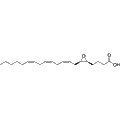
    5,6-Epoxyeicosatrienoic acid (5,6-EET) is a racemic metabolite derived from arachidonic acid through cytochrome P450 enzyme activity. This compound plays a crucial role in calcium mobilization and hormone secretion in neuroendocrine cells, such as those in the anterior pituitary and pancreatic islets. Additionally, 5,6-EET serves as an inhibitor of T-type voltage-gated calcium channels (Cav3), particularly affecting isoforms Cav3.1 and Cav3.2, which can decrease vasoconstriction in isolated mouse mesenteric arteries. It is also a substrate for COX-1 and COX-2, highlighting its relevance in inflammatory pathways.

    0.025 mg
    $105.00
    0.05 mg
    $175.00
    All 4 sizes
  • Glutaminyl cyclases-IN-1
    Cat. No.
    A64199

    Glutaminyl cyclases-IN-1

    Synonyms: IsoQC-IN-1

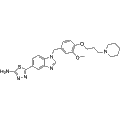
    Glutaminyl cyclases-IN-1 is a selective inhibitor of glutaminyl cyclases, exhibiting IC50 values of 12 nM for human QC and 73 nM for isoQC. This compound effectively disrupts the CD47/SIRPα interaction by inhibiting isoQC, thereby enhancing the phagocytic activity of THP-1 and U937 macrophages. Its potent mechanism makes it a valuable tool for research in immune modulation and myeloid cell activation.

    1 mg
    $350.00
    5 mg
    $860.00
    All 5 sizes
  • O-Nornuciferine
    Cat. No.
    A68049

    O-Nornuciferine

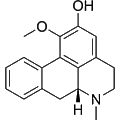
    O-Nornuciferine is an aporphine-type alkaloid derived from lotus leaf that acts as a potent inhibitor of the hERG channel. This endogenous metabolite is significant in the study of cardiac ion channels and provides insights into drug-induced cardiac arrhythmias. Its biological activity makes it a valuable reagent in pharmacological research and safety assessments.

    5 mg
    $205.00
    10 mg
    $335.00
    All 2 sizes
  • NSC 16590
    Cat. No.
    A69982

    NSC 16590

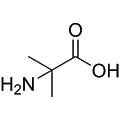
    Synonyms: α,α-Dimethylglycine; α-Aminoisobutanoic acid

    NSC 16590 is an inhibitor of endogenous ethylene synthesis. This compound has been shown to effectively suppress the production of ethylene in cotyledonary segments of cocklebur, making it a valuable tool for studies on plant physiology and development. Its application in research can elucidate the roles of ethylene in growth processes and stress responses in plants.

    100 mg
    $20.00
    250 mg
    $25.00
    All 5 sizes
  • 5α-Hydroxy-6-keto cholesterol
    Cat. No.
    A70214

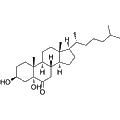
    5α-Hydroxy-6-keto cholesterol

    5α-Hydroxy-6-keto cholesterol is a significant metabolite of β-epoxide (5α,6β-epoxycholesterol) generated during the exposure of human bronchial epithelial cells (16-HBE) to ozone. This compound acts as an inhibitor of cholesterol synthesis, exhibiting an IC50 value of 350 nM. It is valuable for research into oxidative stress and its effects on cholesterol metabolism in respiratory epithelial cells.

    1 mg
    $90.00
    5 mg
    $280.00
    All 3 sizes
  • D-(+)-Malic acid
    Cat. No.
    A70714

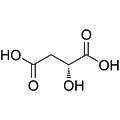
    D-(+)-Malic acid

    Synonyms: D-Malic acid

    D-(+)-Malic acid is an endogenous metabolite that acts as a competitive inhibitor of L(-)-malic acid transport. This compound is involved in various metabolic pathways and plays a critical role in cellular energy production. D-(+)-Malic acid is utilized in research applications focused on metabolic disorders, mitochondrial function, and the study of energy metabolism in various biological systems.

    1 g
    $20.00
    5 g
    $25.00
    All 3 sizes
  • Nervonic acid
    Cat. No.
    A71135

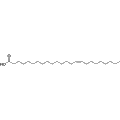
    Nervonic acid

    Synonyms: Selacholeic acid; cis-15-Tetracosenoic acid

    Nervonic acid is a monounsaturated fatty acid recognized for its role as an endogenous metabolite. This compound demonstrates anti-inflammatory activity primarily through the inhibition of NF-κB signaling pathways. Its properties make it a valuable tool for investigating neurodegenerative diseases and related pathologies.

    50 mg
    $25.00
    100 mg
    $30.00
    All 7 sizes
  • D-Erythro-dihydrosphingosine
    Cat. No.
    A71168

    D-Erythro-dihydrosphingosine

    Synonyms: Sphinganine (d18:0)

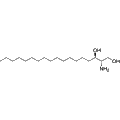
    D-Erythro-dihydrosphingosine is a potent inhibitor of cytosolic phospholipase A2α (cPLA2α), a key enzyme involved in phospholipid metabolism and inflammatory processes. Its inhibition of cPLA2α activity makes it a valuable tool for research into lipid signaling pathways and inflammatory diseases. This endogenous metabolite can be utilized in studies aimed at understanding the regulatory mechanisms of cell membrane dynamics and associated pathophysiological conditions.

    2 mg
    $25.00
    5 mg
    $40.00
    All 5 sizes
  • Zaragozic acid A
    Cat. No.
    A71406

    Zaragozic acid A

    Synonyms: Squalestatin S1

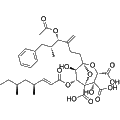
    Zaragozic acid A is a reversible competitive inhibitor of squalene synthase, acting as an endogenous metabolite. This compound effectively inhibits acute hepatic cholesterol synthesis in mouse models, with an IC50 value of 6 μM. Its application is significant in studies investigating cholesterol metabolism and the regulation of lipid biosynthesis.

    1 mg
    $340.00
    All 1 sizes
  • Taurohyocholic acid sodium salt
    Cat. No.
    A71412

    Taurohyocholic acid sodium salt

    Synonyms: THCA sodium salt

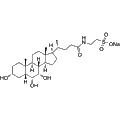
    Taurohyocholic acid sodium salt is a taurine-conjugated hyocholic acid that acts as an endogenous metabolite. It serves as a predictor of the efficacy of tyrosine kinase inhibitors in combination with PD-1 inhibitors for the treatment of hepatocellular carcinoma (HCC). This compound is particularly valuable for researchers investigating metabolic profiles and treatment responses in liver cancer models.

    1 mg
    $55.00
    5 mg
    $140.00
    All 6 sizes
  • Lysophosphatidylethanolamines, egg
    Cat. No.
    A71429

    Lysophosphatidylethanolamines, egg

    Synonyms: Lyso-PE (egg); LPE (egg); L-α-lysophosphatidylethanolamine

    Lysophosphatidylethanolamines (LPE) are endogenous lysophospholipids generated through the deacylation of phosphatidylethanolamine by phospholipase A2 (PLA2). LPE is known to enhance ERK1/2 phosphorylation in PC12 cells, an effect that can be attenuated by MEK inhibitors such as U-0126 and PD 98059, as well as the EGFR inhibitor AG-1478. Additionally, LPE promotes neurite outgrowth and increases neurofilament M expression in these cells. This product encompasses various molecular species of lysophosphatidylethanolamine characterized by differing fatty acyl chain lengths at the sn-1 position and a hydroxy group at the sn-2 position, making it suitable for diverse biological research applications.

    1 mg
    $70.00
    5 mg
    $155.00
    All 4 sizes

Items 26-50 of 161

Added to your cart

View Cart Checkout

    Loading...