Lactate Dehydrogenase A (LDHA)

Lactate dehydrogenase A (LDHA) inhibitors block the enzyme that turns pyruvate into lactate. The reaction regenerates oxidized nicotinamide adenine dinucleotide (NAD+), so glycolysis can continue when mitochondrial oxidation is limited. Many tumor cells rely on this step for aerobic glycolysis, also called the Warburg effect. In 2006, lowering LDHA expression in tumor cells raised mitochondrial respiration and impaired tumor growth. FX-11 was reported in 2010 to induce oxidative stress and slow the growth of lymphoma and pancreatic cancer xenografts. GSK2837808A is a further LDHA inhibitor, and GNE-140 is listed as GNE-140 racemate and as (R)-GNE-140 and (S)-GNE-140. Sodium oxamate, a classic substrate analog, competes with pyruvate at several lactate dehydrogenase isoforms.

Items 26-28 of 28

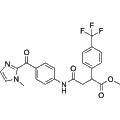
  • LDHA-IN-6
    Cat. No.
    A75842

    LDHA-IN-6

    LDHA-IN-6 is a potent inhibitor of lactate dehydrogenase-A (LDHA), exhibiting an IC50 of 46 nM. This compound demonstrates significant antitumor activity, making it a valuable tool for research in cancer metabolism and therapeutic development. Its ability to modulate LDHA activity facilitates investigations into the metabolic pathways associated with tumor growth and proliferation.

    Out of stock

    All 3 sizes
  • LDHA-IN-7
    Cat. No.
    A75843

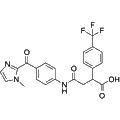
    LDHA-IN-7

    LDHA-IN-7 is a potent inhibitor of lactate dehydrogenase-A (LDHA) and lactate dehydrogenase-B (LDHB), with IC50 values of 72 nM and 1.2 μM, respectively. This compound demonstrates impressive oral bioavailability, making it a valuable tool for studying metabolic pathways involving lactate metabolism. LDHA-IN-7 is particularly useful in cancer research and other conditions where lactate dehydrogenase activity is implicated.

    Out of stock

    All 3 sizes
  • 4-(Dimethylamino)phenol
    Cat. No.
    B18108

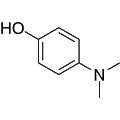
    4-(Dimethylamino)phenol

    4-(Dimethylamino)phenol acts as a lactate dehydrogenase (LDH) activator, enhancing extracellular LDH levels without significantly impacting gluconeogenesis. This compound serves as a potent cyanide antidote, facilitating metabolic pathways under certain conditions. Its toxicity arises from the reaction with glutathione, resulting in the formation of covalent complexes that impair cellular function. This reagent is valuable for investigations into metabolic regulation and cellular responses to oxidative stress.

    500 mg
    $20.00
    1 g
    $25.00
    All 4 sizes

Items 26-28 of 28

Added to your cart

View Cart Checkout

    Loading...