Glucosidase

Glucosidase inhibitors block enzymes that cleave glucose units from oligosaccharides, disaccharides and glycoproteins. Intestinal α-glucosidases break down dietary carbohydrates, so their inhibitors are used to study postprandial glucose uptake. Acarbose, a pseudo-oligosaccharide, and miglitol, an iminosugar, are standard inhibitors of these enzymes. In the endoplasmic reticulum, glucosidases I and II trim glucose residues from newly attached N-linked glycans. Trimming and later reglucosylation control glycoprotein binding to the chaperone calnexin, as reported in 1995. Deoxynojirimycin and celgosivir inhibit these processing glucosidases and are used in glycoprotein folding and virology research. Miglustat hydrochloride, an N-alkylated iminosugar, also inhibits glucosylceramide synthase in glycosphingolipid research.

Items 251-275 of 275

  • Cefetrizole
    Cat. No.
    A75243

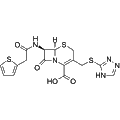
    Cefetrizole

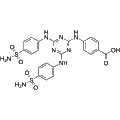
    Cefetrizole is an α-Glucosidase inhibitor that exhibits potent enzymatic activity, with an IC50 of 2.1 μM and a Ki value of 0.578 μM. This compound is primarily utilized in research applications focused on carbohydrate metabolism and associated disorders. Its ability to inhibit glycosidase activity makes it a valuable tool for investigating enzymatic pathways and developing therapeutic strategies.

    25 mg
    $1,275.00
    50 mg
    $1,625.00
    All 3 sizes
  • Ganoderic acid SZ
    Cat. No.
    A75667

    Ganoderic acid SZ

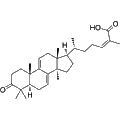
    Ganoderic acid SZ is a potent inhibitor of HMG-CoA reductase (HMGCR), demonstrating superior activity compared to atorvastatin. This natural compound also significantly inhibits α-glucosidase derived from yeast, with low nanomolar IC50 values. Additionally, Ganoderic acid SZ exhibits cytotoxic effects against K562 leukemia cells, with IC50 values ranging from 10 to 20 μM. These properties make Ganoderic acid SZ a valuable tool for research in cholesterol metabolism and cancer studies.

    5 mg
    $615.00
    All 1 sizes
  • Methyl rosmarinate
    Cat. No.
    A78015

    Methyl rosmarinate

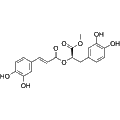
    Methyl rosmarinate is a noncompetitive inhibitor of tyrosinase, effectively isolated from Rabdosia serra, with an IC50 value of 0.28 mM for mushroom tyrosinase. Additionally, it demonstrates inhibitory activity against α-glucosidase. This compound is valuable for research in pigmentation, skin disorders, and carbohydrate metabolism.

    1 mg
    $55.00
    5 mg
    $140.00
    All 6 sizes
  • AChE-IN-20
    Cat. No.
    A78809

    AChE-IN-20

    AChE-IN-20 is a potent acetylcholinesterase (AChE) inhibitor, demonstrating an IC50 value of 397.32 nM and a Ki value of 335.76 nM. In addition to its primary target, AChE-IN-20 exhibits significant inhibitory activity against human carbonic anhydrases I and II, and α-glucosidase, with IC50 values of 84.14 nM, 69.24 nM, and 52.08 nM, respectively. This compound is valuable for research into neurodegenerative diseases and enzymatic regulation, providing insights into potential therapeutic strategies.

    25 mg
    $1,275.00
    50 mg
    $1,625.00
    All 3 sizes
  • Cuminaldehyde
    Cat. No.
    A79409

    Cuminaldehyde

    Synonyms: p-Isopropylbenzaldehyde

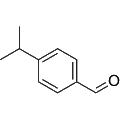
    Cuminaldehyde, a primary component of Cuminum cyminum, is recognized for its anti-inflammatory properties. This compound exhibits various biological activities, including inhibition of aldose reductase (IC50 = 0.00085 mg/mL), α-glucosidase (IC50 = 0.5 mg/mL), and lipoxygenase (IC50 = 1370 μM). Additionally, cuminaldehyde inhibits the fibrillation and aggregation of α-synuclein, indicating its potential application in the study of neurodegenerative diseases, cancer, diabetes, and neuropathic pain disorders.

    1 g
    $20.00
    5 g
    $25.00
    All 7 sizes
  • Resorufin-β-D-glucopyranoside, 98%
    Cat. No.
    A88443

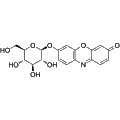
    Resorufin-β-D-glucopyranoside, 98%

    Synonyms: 3-Phenoxazone 7-(β-D-glucopyranoside); 98%

    Resorufin-β-D-glucopyranoside is a fluorogenic substrate specifically designed for the detection and quantification of β-glucosidase activity. Upon enzymatic cleavage, it produces resorufin, a highly fluorescent compound that serves as an effective indicator of β-glucosidase presence in biological samples. This reagent is widely used in biochemical assays and studies involving enzyme activity, providing valuable insights into cellular and molecular processes.

    5 mg
    $125.00
    10 mg
    $200.00
    All 4 sizes
  • 6-Chloro-3-indoxyl-β-D-cellobioside
    Cat. No.
    A89611

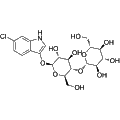
    6-Chloro-3-indoxyl-β-D-cellobioside

    6-Chloro-3-indoxyl-β-D-cellobioside is a biochemical reagent that serves as a chromogenic substrate for the detection of β-glucosidase activity. When cleaved by β-glucosidase, it produces a colored indigo product, facilitating the visual quantification of enzymatic activity. This compound is valuable in research applications involving enzyme assays, microbial activity, and cellulose degradation studies.

    Out of stock

    All 3 sizes
  • 4-Methylumbelliferyl-β-D-cellobiose heptaacetate
    Cat. No.
    A89717

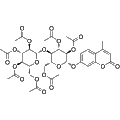
    4-Methylumbelliferyl-β-D-cellobiose heptaacetate

    4-Methylumbelliferyl-β-D-cellobiose heptaacetate is a biochemical assay reagent that serves as a substrate for measuring the activity of β-glucosidases and related enzymes. Upon enzymatic cleavage, it releases a fluorescent product, facilitating the quantification of enzyme activity in various biological samples. This compound is utilized in enzymatic studies and is particularly valuable in carbohydrate metabolism research applications.

    Out of stock

    All 3 sizes
  • Thioglucosidase
    Cat. No.
    A89884

    Thioglucosidase

    Thioglucosidase is an S-glycosidic bond hydrolase that catalyzes the hydrolysis of thioglucosides. This enzyme is significant in research related to plant defense mechanisms, particularly in the study of glucosinolates and their role in plant interactions with pests and pathogens. Thioglucosidase is a valuable tool for investigating metabolic pathways and the biochemical processes underlying plant defense strategies.

    25 mg
    $325.00
    100 mg
    $1,140.00
    All 2 sizes
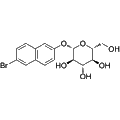
  • 6-Bromo-2-naphthyl β-D-glucopyranoside
    Cat. No.
    A89919

    6-Bromo-2-naphthyl β-D-glucopyranoside

    6-Bromo-2-naphthyl β-D-glucopyranoside is a biochemical assay reagent with a primary mechanism targeting glucosidases. This compound is commonly utilized in the detection of glucosidase activity in various biological studies, facilitating the investigation of enzyme kinetics and substrate interactions. Its application in cellular and molecular research makes it a valuable tool for understanding carbohydrate metabolism and enzyme function.

    250 mg
    $60.00
    1 g
    $120.00
    All 2 sizes
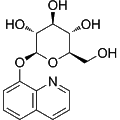
  • 8-Quinolinyl β-D-glucopyranoside
    Cat. No.
    A90377

    8-Quinolinyl β-D-glucopyranoside

    8-Quinolinyl β-D-glucopyranoside is a glucoconjugate derived from 8-hydroxyquinoline, specifically designed for use as a biochemical assay reagent. This compound can be effectively cleaved by β-glucosidase in vitro, making it a valuable tool for studying enzyme activity and mechanisms. Its hydrolytic properties enable applications in various biochemical assays, including those focused on carbohydrate metabolism and enzymatic regulation.

    Out of stock

    All 3 sizes
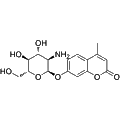
  • 4-Methylumbelliferyl 2-Amino-2-deoxy-α-D-glucopyranoside
    Cat. No.
    A90441

    4-Methylumbelliferyl 2-Amino-2-deoxy-α-D-glucopyranoside

    4-Methylumbelliferyl 2-Amino-2-deoxy-α-D-glucopyranoside serves as a sensitive substrate for enzymes that hydrolyze glycosidic bonds, specifically targeting glucosidases. Upon enzymatic cleavage, it releases a highly fluorescent compound, enabling quantification of enzymatic activity in various biological samples. This reagent is widely utilized in biochemical assays to study carbohydrate metabolism and enzyme kinetics.

    5 mg
    $225.00
    25 mg
    $440.00
    All 3 sizes
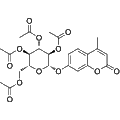
  • 4-Methylumbelliferyl 2,3,4,6-tetra-O-acetyl-β-D-glucopyranoside
    Cat. No.
    A90599

    4-Methylumbelliferyl 2,3,4,6-tetra-O-acetyl-β-D-glucopyranoside

    4-Methylumbelliferyl 2,3,4,6-tetra-O-acetyl-β-D-glucopyranoside is a biochemical assay reagent primarily utilized for the detection of β-D-glucosidase activity. This compound serves as a fluorogenic substrate, releasing 4-methylumbelliferone upon enzymatic hydrolysis, allowing for sensitive measurement of enzyme activity. It is commonly employed in various biochemical research applications, including studies on enzyme kinetics and carbohydrate metabolism.

    Out of stock

    All 3 sizes
  • 4-Methylumbelliferyl β-D-cellopentoside
    Cat. No.
    A90835

    4-Methylumbelliferyl β-D-cellopentoside

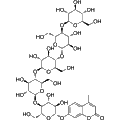
    4-Methylumbelliferyl β-D-cellopentoside is a biochemical reagent that serves as a substrate for enzyme assays, specifically targeted towards β-glucosidases. Upon enzymatic cleavage, it releases the fluorescent compound 4-methylumbelliferone, which allows for the quantification of enzyme activity. This compound is utilized in research applications involving carbohydrate metabolism and enzyme kinetics.

    Out of stock

    All 3 sizes
  • D-Glucopyranose, 98%
    Cat. No.
    A91083

    D-Glucopyranose, 98%

    Synonyms: α-Sophorose; 98%

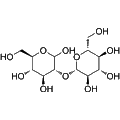
    D-Glucopyranose, 98% functions as a key substrate for various glycosidase enzymes, particularly α-glucosidase. This compound is widely utilized in glycobiology research to study carbohydrate metabolism and enzyme activity, facilitating a deeper understanding of glycan interactions and biological systems. Its high purity ensures reliable results in experimental applications.

    10 mg
    $195.00
    25 mg
    $395.00
    All 4 sizes
  • 6-Chloro-1H-indol-3-yl β-D-glucopyranoside
    Cat. No.
    A91592

    6-Chloro-1H-indol-3-yl β-D-glucopyranoside

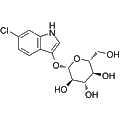
    6-Chloro-1H-indol-3-yl β-D-glucopyranoside is a biochemical assay reagent designed to detect β-glucosidase activity in yeast. This compound serves as a chromogenic substrate, facilitating the quantitative analysis of enzymatic reactions. It is particularly useful in studies investigating carbohydrate metabolism and enzyme function in various biological systems.

    Out of stock

    All 3 sizes
  • 5-Bromo-4-chloro-3-indolyl-α-D-glucopyranoside, 98%
    Cat. No.
    A92492

    5-Bromo-4-chloro-3-indolyl-α-D-glucopyranoside, 98%

    Synonyms: X-α-Glu; 98%

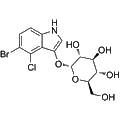
    5-Bromo-4-chloro-3-indolyl-α-D-glucopyranoside is a biochemical assay reagent primarily used for the detection of glucosidase activity. This compound serves as a chromogenic substrate, resulting in a measurable color change upon enzymatic hydrolysis. It is commonly utilized in various research applications, including enzyme activity assays and studies involving carbohydrate metabolism.

    25 mg
    $120.00
    50 mg
    $190.00
    All 3 sizes
  • 2-O-α-D-Glucopyranosyl-L-ascorbic Acid
    Cat. No.
    A94994

    2-O-α-D-Glucopyranosyl-L-ascorbic Acid

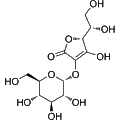
    2-O-α-D-Glucopyranosyl-L-ascorbic Acid is a glucoside derivative of ascorbic acid that exhibits oral bioactivity. It is hydrolyzed by α-glucosidase to release ascorbic acid, exerting significant effects on melanin synthesis, UV-induced cell damage prevention, and collagen synthesis in skin fibroblasts. Additionally, this compound induces oxidative stress, which can inhibit tumor growth. Applications include research focused on tumor biology, inflammation, and various related conditions.

    5 mg
    $20.00
    10 mg
    $25.00
    All 6 sizes
  • Methyl 4-formylbenzoate
    Cat. No.
    A97731

    Methyl 4-formylbenzoate

    Synonyms: 4-Carbomethoxybenzaldehyde; 4-Carboxybenzaldehyde methyl ester; Terephthalaldehydic acid methyl ester

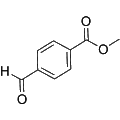
    Methyl 4-formylbenzoate serves as a key intermediate in organic synthesis, particularly in the production of chalcone amide derivatives. Its primary biological activity involves the inhibition of α-glucosidase, making it useful for research in diabetes management and metabolic diseases. This compound can facilitate the development of novel therapeutics targeting glycemic control pathways.

    1 mg
    $20.00
    25 g
    $25.00
    All 5 sizes
  • Miglitol-d4
    Cat. No.
    B14712

    Miglitol-d4

    Synonyms: BAY1099-d4; BAY-m1099-d4

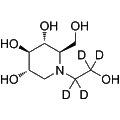
    Miglitol-d4 is a deuterium-labeled stable isotope of Miglitol, an α-glucosidase inhibitor. It is utilized in metabolic and pharmacokinetic studies to trace the absorption and impact of Miglitol in biological systems. This compound aids in researching glycemic control and carbohydrate metabolism, providing valuable insights into diabetes management.

    Out of stock

    All 3 sizes
  • Dihydro-α-ionone
    Cat. No.
    B19197

    Dihydro-α-ionone

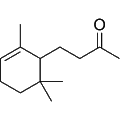
    Dihydro-α-ionone is a volatile compound primarily derived from the essential oil of Persicaria hydropiper L. leaves. It exhibits notable inhibitory effects on α-glucosidase and α-amylase, making it a useful reagent in studies of carbohydrate metabolism. Its potential applications include the exploration of metabolic pathways and the development of therapeutic strategies for conditions such as diabetes.

    Out of stock

    All 3 sizes
  • α-Amyrenone
    Cat. No.
    B21350

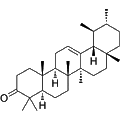
    α-Amyrenone

    α-Amyrenone is a triterpenoid known for its inhibitory effect on α-glucosidase. This compound has demonstrated the ability to reduce mechanical hypersensitivity and paw edema induced by carrageenan, making it a valuable tool in pain and inflammation research. Its natural occurrence in oleoresins from Brazilian Amazon species of Protium (Burseraceae) further highlights its potential for biological investigation.

    1 mg
    $25.00
    5 mg
    $30.00
    All 4 sizes
  • 2-Hydroxyquinoline
    Cat. No.
    B21431

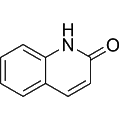
    2-Hydroxyquinoline

    2-Hydroxyquinoline is a selective inhibitor of α-glucosidase and α-amylase, exhibiting IC50 values of 64.4 µg/mL and 130.5 µg/mL, respectively. This compound is valuable for investigating carbohydrate metabolism and can be utilized in research related to diabetes management and treatment strategies. Its inhibitory effects contribute to a deeper understanding of enzymatic roles in glucose absorption and metabolism.

    200 mg
    $20.00
    1 g
    $25.00
    All 6 sizes
  • β,β-Trehalose
    Cat. No.
    B21622

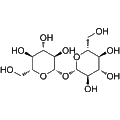
    β,β-Trehalose

    β,β-Trehalose is an analog of trehalose that functions primarily as a carbohydrate. It has been shown to support the growth of shoot tips in Cuscuta, making it valuable for research in plant physiology and development. Additionally, β,β-Trehalose is susceptible to hydrolysis by nonspecific β-glucosidase, which may have implications for studying enzymatic processes in various biological systems.

    Out of stock

    All 3 sizes
  • 3,4-Methylenedioxychalcone
    Cat. No.
    B21697

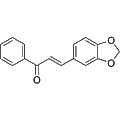
    3,4-Methylenedioxychalcone

    3,4-Methylenedioxychalcone is an α-glucosidase inhibitor with a reported IC50 of 1870 μM. This compound is relevant for research applications focused on type 2 diabetes, as it may help modulate carbohydrate metabolism by delaying the breakdown of complex carbohydrates. Its potential to influence glucose absorption can be valuable for studies aimed at understanding and treating metabolic disorders.

    25 mg
    $1,275.00
    All 1 sizes

Items 251-275 of 275

Added to your cart

View Cart Checkout

    Loading...