Glucosidase

Glucosidase inhibitors block enzymes that cleave glucose units from oligosaccharides, disaccharides and glycoproteins. Intestinal α-glucosidases break down dietary carbohydrates, so their inhibitors are used to study postprandial glucose uptake. Acarbose, a pseudo-oligosaccharide, and miglitol, an iminosugar, are standard inhibitors of these enzymes. In the endoplasmic reticulum, glucosidases I and II trim glucose residues from newly attached N-linked glycans. Trimming and later reglucosylation control glycoprotein binding to the chaperone calnexin, as reported in 1995. Deoxynojirimycin and celgosivir inhibit these processing glucosidases and are used in glycoprotein folding and virology research. Miglustat hydrochloride, an N-alkylated iminosugar, also inhibits glucosylceramide synthase in glycosphingolipid research.

Items 226-250 of 275

  • Glycosidase-IN-1
    Cat. No.
    A75213

    Glycosidase-IN-1

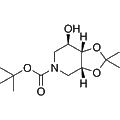
    Glycosidase-IN-1 is a glycosidase inhibitor derived from D-mannose. This compound exhibits hypoglycemic activity and holds potential for the synthesis of immunosuppressive agents and β-glucosidase inhibitors. Its ability to modulate glycosidase activity makes it a valuable tool in biochemical research focused on carbohydrate metabolism and related diseases.

    25 mg
    $1,780.00
    50 mg
    $2,280.00
    All 3 sizes
  • α-Glucosidase-IN-10
    Cat. No.
    A75214

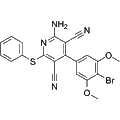
    α-Glucosidase-IN-10

    α-Glucosidase-IN-10 is a potent inhibitor of α-glucosidase, exhibiting an IC50 value of 92.7 μM. This compound serves as a valuable tool for investigating the modulation of carbohydrate metabolism and is particularly relevant for research in type II diabetes. Its ability to effectively inhibit α-glucosidase makes it suitable for studies focused on glucose absorption regulation and diabetes management strategies.

    25 mg
    $1,800.00
    50 mg
    $2,285.00
    All 3 sizes
  • Bisabolone oxide A
    Cat. No.
    A75215

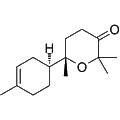
    Bisabolone oxide A

    Bisabolone oxide A is an α-glucosidase inhibitor that modulates carbohydrate metabolism by delaying the absorption of glucose in the intestine. This compound demonstrates significant potential in research applications related to diabetes management and glycemic control. Its ability to influence α-glucosidase activity makes it a valuable tool for studies focused on metabolic disorders and enzymatic regulation.

    1 mg
    $320.00
    5 mg
    $795.00
    All 2 sizes
  • α-Glucosidase-IN-17
    Cat. No.
    A75216

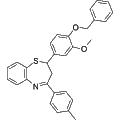
    α-Glucosidase-IN-17

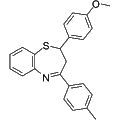
    α-Glucosidase-IN-17 is a potent inhibitor of α-glucosidase, displaying an IC50 value of 3.79 μM. This compound demonstrates significant antidiabetic activity, making it a valuable research tool for studying the regulation of carbohydrate metabolism and the management of diabetes. It can be utilized in pharmacological studies aimed at exploring the modulation of blood glucose levels.

    25 mg
    $1,275.00
    50 mg
    $1,625.00
    All 3 sizes
  • α-Glucosidase-IN-21
    Cat. No.
    A75217

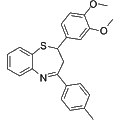
    α-Glucosidase-IN-21

    α-Glucosidase-IN-21 is a potent inhibitor of α-glucosidase, demonstrating an IC50 of 2.62 μM. This compound exhibits significant anti-diabetic activity, making it valuable for research into glycemic control and obesity-related metabolic disorders. Its efficacy as an α-glucosidase inhibitor supports its use in studies targeting carbohydrate metabolism and related therapeutic applications.

    25 mg
    $1,275.00
    50 mg
    $1,625.00
    All 3 sizes
  • α-Glucosidase-IN-20
    Cat. No.
    A75218

    α-Glucosidase-IN-20

    α-Glucosidase-IN-20 is a potent orally active inhibitor of α-glucosidase, with an IC50 value of 3.01 μM. This compound demonstrates significant anti-diabetic activity by modulating carbohydrate metabolism and reducing postprandial glucose levels. It is suitable for research applications aimed at exploring therapeutic strategies for managing type 2 diabetes and related metabolic disorders.

    25 mg
    $1,275.00
    50 mg
    $1,625.00
    All 3 sizes
  • (+)-Cembrene A
    Cat. No.
    A75220

    (+)-Cembrene A (d-Cembrene A)

    Synonyms: d-Cembrene A

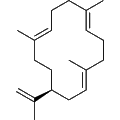
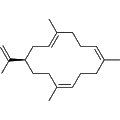
    (+)-Cembrene A is an α-glucosidase inhibitor, exhibiting an IC50 of 30.31 μM. This compound demonstrates nontoxicity towards human normal hepatocyte (LO2) cells, making it a suitable candidate for research in metabolic disorders and carbohydrate metabolism regulation. Its ability to modulate α-glucosidase activity suggests potential applications in studies focused on diabetes and related pathophysiological conditions.

    25 mg
    $1,275.00
    50 mg
    $1,625.00
    All 3 sizes
  • Afegostat tartrate
    Cat. No.
    A75221

    Afegostat tartrate

    Synonyms: AT 2101; D-Isofagomine tartrate; Isofagomine tartrate

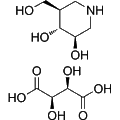
    Afegostat tartrate is a potent glucosidase inhibitor that selectively binds to acid-β-glucosidase (GCase) within the endoplasmic reticulum, functioning as a pharmacological chaperone. This compound enhances enzyme stability and promotes proper folding, making it valuable for research related to Gaucher disease and other lysosomal storage disorders. Its ability to influence GCase activity makes it an important tool for studies aimed at understanding enzyme deficiencies and developing therapeutic strategies.

    Out of stock

    All 3 sizes
  • α-Glucosidase-IN-35
    Cat. No.
    A75222

    α-Glucosidase-IN-35

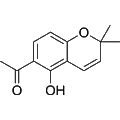
    α-Glucosidase-IN-35 is a chromene that functions as a potent inhibitor of α-glucosidase, exhibiting an IC50 value of 0.169 mg/mL. Isolated from the aqueous extract of the aerial parts of Brickellia cavanillesii, this compound is valuable in studies targeting carbohydrate metabolism and diabetes research. Its application may facilitate the exploration of α-glucosidase inhibition as a therapeutic strategy in metabolic disorders.

    1 mg
    $85.00
    5 mg
    $220.00
    All 5 sizes
  • Saponin QS-L1
    Cat. No.
    A75223

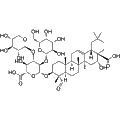
    Saponin QS-L1

    Saponin QS-L1 is a triterpenoid saponin that acts as an α-glucosidase inhibitor, exhibiting an IC50 value of 23.1 μM. This compound is valuable for research into diabetes management and glucose regulation. Its inhibition of α-glucosidase may provide insights into therapeutic strategies for glycemic control in diabetic patients.

    Out of stock

    All 3 sizes
  • 9-(4′-Hydroxyphenyl)-2-methoxyphenalen-1-one
    Cat. No.
    A75224

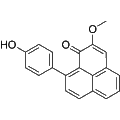
    9-(4′-Hydroxyphenyl)-2-methoxyphenalen-1-one

    9-(4′-Hydroxyphenyl)-2-methoxyphenalen-1-one is a mixed competitive inhibitor of alpha-glucosidase, primarily targeting the enzyme from Bacillus stearothermophilus, with an IC50 value of 3.86 mg/L. This compound exhibits potential as a phytoalexin, demonstrating biological activity relevant for research in glycemic control and carbohydrate metabolism. Its inhibitory properties make it suitable for studies investigating the modulation of glucose absorption and related metabolic disorders.

    5 mg
    $485.00
    All 1 sizes
  • Panosialin wA
    Cat. No.
    A75225

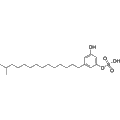
    Panosialin wA

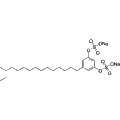
    Panosialin wA is a potent glycosidase inhibitor that selectively targets α,β-glucosidase and mannose glycosidase. Its ability to modulate these enzymes may have applications in research related to carbohydrate metabolism and pathogen interaction. While Panosialin wA does not inhibit the influenza virus, it exhibits a weak anti-microbial effect, making it a useful tool in studies of microbial activity.

    Out of stock

    All 3 sizes
  • N-Methyltetrachlorophthalimide
    Cat. No.
    A75226

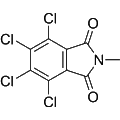
    N-Methyltetrachlorophthalimide

    N-Methyltetrachlorophthalimide is a potent inhibitor of α-glucosidase, exhibiting an IC50 of 22.1 μM. This compound is valuable for research focused on anti-diabetic mechanisms as well as antiviral applications, enabling the exploration of therapeutic strategies against conditions related to glycemic control and viral infections.

    Out of stock

    All 3 sizes
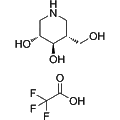
  • Afegostat TFA
    Cat. No.
    A75227

    Afegostat TFA

    Afegostat TFA is a pharmacological chaperone that selectively and reversibly binds to acid-β-glucosidase (GCase) within the endoplasmic reticulum. This interaction enhances the stability and activity of GCase, addressing enzyme deficiencies associated with Gaucher disease. Afegostat TFA is utilized in research exploring enzyme therapy and cellular mechanisms of lysosomal storage disorders.

    25 mg
    $1,275.00
    50 mg
    $1,625.00
    All 3 sizes
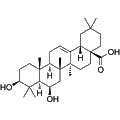
  • Sumaresinolic acid
    Cat. No.
    A75228

    Sumaresinolic acid

    Sumaresinolic acid is a natural product extracted from the root of Heterophyllum species. Its primary mechanism involves the inhibition of alpha-glucosidase, an enzyme implicated in carbohydrate metabolism. This compound exhibits significant biological activity in regulating blood glucose levels, making it valuable for research in diabetes and metabolic disorders. Its potential applications extend to studies on glycemic control and the development of therapeutic agents targeting carbohydrate metabolism.

    1 mg
    $65.00
    5 mg
    $150.00
    All 7 sizes
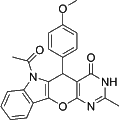
  • α-Glucosidase-IN-45
    Cat. No.
    A75229

    α-Glucosidase-IN-45

    α-Glucosidase-IN-45 is an inhibitor targeting α-glucosidase, a key enzyme involved in carbohydrate metabolism. This novel indol-fused pyrano[2,3-D]pyrimidine compound exhibits significant biological activity by obstructing the enzyme's function, thereby influencing glucose absorption and metabolism. It is suitable for research applications related to diabetes, metabolic disorders, and carbohydrate enzyme modulation.

    Out of stock

    All 3 sizes
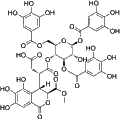
  • 1'-O-Methyl neochebulinate
    Cat. No.
    A75230

    1'-O-Methyl neochebulinate

    1'-O-Methyl neochebulinate is a hydrolyzable tannin that functions as an α-glucosidase inhibitor, exhibiting an IC50 value of 59.5 μM. Isolated from the fruits of Terminalia chebula Retz, this compound significantly impedes the activity of α-glucosidase, making it relevant for studies in diabetes management and carbohydrate metabolism. Its inhibitory properties provide a useful tool for investigating potential therapeutic strategies for controlling postprandial glucose levels.

    5 mg
    $550.00
    All 1 sizes
  • Acarbose-d4
    Cat. No.
    A75231

    Acarbose-d4

    Synonyms: BAY g 5421-d4

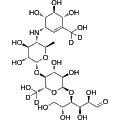
    Acarbose-d4 is a deuterium-labeled derivative of Acarbose, targeting alpha-glucosidases. This stable isotope maintains the biological activity of its parent compound, functioning as an antihyperglycemic agent with an IC50 of 11 nM. Acarbose-d4 is utilized in research to study glucose metabolism and the enhancement of hypoglycemic effects in combination therapies involving sulfonylureas or insulin.

    Out of stock

    All 3 sizes
  • N-5-Carboxypentyl-1-deoxynojirimycin
    Cat. No.
    A75232

    N-5-Carboxypentyl-1-deoxynojirimycin

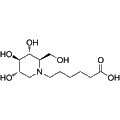
    N-5-Carboxypentyl-1-deoxynojirimycin is an alpha-glucosidase inhibitor with significant potential in glycosidase research. This compound is utilized for its ability to selectively inhibit glucosidase enzymes, making it valuable in studies exploring carbohydrate metabolism and related pathways. Additionally, it serves as a precursor for the preparation of affinity matrices, facilitating the binding of target proteins to resins for purification and analysis.

    1 mg
    $120.00
    5 mg
    $405.00
    All 2 sizes
  • Sativanone
    Cat. No.
    A75233

    Sativanone

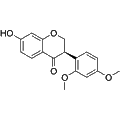
    Sativanone is a potent α-glucosidase inhibitor, exhibiting an EC50 value of 0.357 mg/mL for rat α-glucosidase. Isolated from Dalbergia tonkinensis, this compound demonstrates antibacterial activity against Ralstonia solanacearum. Additionally, Sativanone exhibits anti-senescent and antioxidant properties, making it a valuable reagent for research in metabolic disorders, bacterial infections, and oxidative stress-related studies.

    1 mg
    $95.00
    5 mg
    $245.00
    All 3 sizes
  • Panosialin D
    Cat. No.
    A75234

    Panosialin D

    Panosialin D is a glycosidase inhibitor that selectively targets α,β-glucosidase and mannose glycosidase. This compound does not exhibit activity against the influenza virus; however, it demonstrates weak antimicrobial properties. It serves as a valuable reagent for research focused on glycosidase-related pathways and antimicrobial studies.

    Out of stock

    All 3 sizes
  • Enhydrin
    Cat. No.
    A75235

    Enhydrin

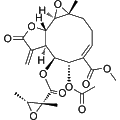
    Enhydrin is a naturally occurring α-glucosidase inhibitor derived from the leaves of Smallanthus sonchifolius. It demonstrates potent inhibitory activity with an IC50 value of 34.17 μg/mL, making it relevant for the management of postprandial hyperglycemia. Research indicates that Enhydrin can effectively reduce blood glucose levels in diabetic rat models, supporting its potential application in diabetes research and therapy development.

    Out of stock

    All 3 sizes
  • Cembrene A
    Cat. No.
    A75236

    Cembrene A

    Cembrene A is an α-glucosidase inhibitor derived from the soft coral S. crassa, demonstrating an IC50 value of 30.31 μM. This compound exhibits minimal cytotoxicity in human normal hepatocyte (LO2) cells, with an IC50 greater than 100 μM. Cembrene A is a valuable reagent for research focused on diabetes and the modulation of carbohydrate metabolism.

    Out of stock

    All 3 sizes
  • Acarbose sulfate
    Cat. No.
    A75238

    Acarbose sulfate

    Synonyms: Bay-g 5421 sulfate

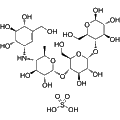
    Acarbose sulfate is a potent alpha-glucosidase inhibitor, exhibiting an IC50 of 11 nM. This antihyperglycemic agent is utilized in research to investigate its potential to enhance the hypoglycemic effects of sulfonylureas or insulin. Its mechanism of action involves the modulation of carbohydrate absorption, making it valuable in studies related to diabetes and blood glucose regulation.

    25 mg
    $1,275.00
    50 mg
    $1,625.00
    All 3 sizes
  • Arisanschinin D
    Cat. No.
    A75241

    Arisanschinin D

    Synonyms: Ananonin B

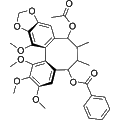
    Arisanschinin D is an inhibitor of α-Glucosidase, a critical enzyme involved in carbohydrate metabolism. This compound can be isolated from Schisandra arisanensis and is of particular interest for research in diabetes management and metabolic disorders. Its ability to modulate enzyme activity makes it a valuable tool for studying the effects of carbohydrate absorption and glucose homeostasis.

    Out of stock

    All 3 sizes

Items 226-250 of 275

Added to your cart

View Cart Checkout

    Loading...