Glucosidase

Glucosidase inhibitors block enzymes that cleave glucose units from oligosaccharides, disaccharides and glycoproteins. Intestinal α-glucosidases break down dietary carbohydrates, so their inhibitors are used to study postprandial glucose uptake. Acarbose, a pseudo-oligosaccharide, and miglitol, an iminosugar, are standard inhibitors of these enzymes. In the endoplasmic reticulum, glucosidases I and II trim glucose residues from newly attached N-linked glycans. Trimming and later reglucosylation control glycoprotein binding to the chaperone calnexin, as reported in 1995. Deoxynojirimycin and celgosivir inhibit these processing glucosidases and are used in glycoprotein folding and virology research. Miglustat hydrochloride, an N-alkylated iminosugar, also inhibits glucosylceramide synthase in glycosphingolipid research.

Items 176-200 of 275

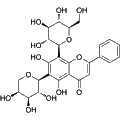
  • Chrysin 6-C-arabinoside 8-C-glucoside
    Cat. No.
    A75151

    Chrysin 6-C-arabinoside 8-C-glucoside

    Chrysin 6-C-arabinoside 8-C-glucoside is an α±-glucosidase inhibitor that demonstrates significant potential in the management of type 2 diabetes. By inhibiting α-glucosidase activity, this compound can effectively reduce carbohydrate digestion and absorption, potentially leading to improved glycemic control. Its biological activity makes it a valuable tool for research into metabolic disorders and the development of antidiabetic therapies.

    1 mg
    $95.00
    5 mg
    $245.00
    All 5 sizes
  • α-Glucosidase-IN-22
    Cat. No.
    A75152

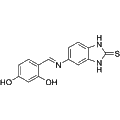
    α-Glucosidase-IN-22

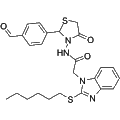
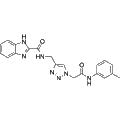
    α-Glucosidase-IN-22 is a benzimidazole derivative that serves as a potent inhibitor of α-glucosidase, exhibiting an IC50 value of 0.64 μM. This compound demonstrates significant anti-diabetic properties, making it a promising candidate for research in type 2 diabetes mellitus (T2DM). Its ability to modulate carbohydrate digestion positions α-Glucosidase-IN-22 as a valuable tool in glucose metabolism studies and diabetes management investigations.

    1 mg
    $40.00
    5 mg
    $105.00
    All 6 sizes
  • L-Afegostat
    Cat. No.
    A75154

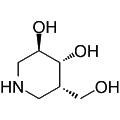
    L-Afegostat

    Synonyms: 5-epi-Isofagomine

    L-Afegostat (5-epi-Isofagomine) is a glycosidase inhibitor that targets β-Glucosidase, exhibiting enzyme inhibition with a Ki of 30 μM. This iminosugar plays a significant role in carbohydrate synthesis and is valuable for studying glycosidase-related metabolic processes. It is particularly useful in research focused on enzyme regulation and glycosylation mechanisms.

    25 mg
    $2,285.00
    50 mg
    $2,935.00
    All 3 sizes
  • α-Glucosidase-IN-43
    Cat. No.
    A75155

    α-Glucosidase-IN-43

    α-Glucosidase-IN-43 is a potent α-glucosidase inhibitor with an IC50 value of 4.32 μM, demonstrating significant hypoglycemic activity. This compound exhibits low toxicity in normal mouse fibroblasts and shows efficacy in vivo, effectively rescuing streptozotocin-induced diabetic rats. α-Glucosidase-IN-43 is valuable for investigating postprandial hyperglycemia and related metabolic disorders in diabetes research.

    Out of stock

    All 3 sizes
  • Quercetin 3'-methoxy-3-O-α-L-arabinofuranoside
    Cat. No.
    A75156

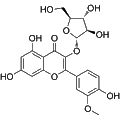
    Quercetin 3'-methoxy-3-O-α-L-arabinofuranoside

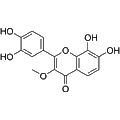
    Quercetin 3'-methoxy-3-O-α-L-arabinofuranoside is an α-glucosidase inhibitor, derived from the leaves and twigs of Fagus hayatae. This compound demonstrates weak inhibitory activity against α-glucosidase, an enzyme involved in carbohydrate metabolism. It serves as a valuable tool for research in glycemic control and metabolic studies.

    Out of stock

    All 3 sizes
  • Anti-hyperglycemic agent-1
    Cat. No.
    A75158

    Anti-hyperglycemic agent-1

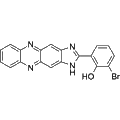
    Anti-hyperglycemic agent-1 is a potent α-Glucosidase inhibitor, exhibiting an IC50 of 0.53 μM. This compound is primarily utilized in diabetes research to investigate mechanisms of glucose metabolism and control postprandial hyperglycemia. Its selective inhibition of α-Glucosidase makes it a valuable tool for studying the biochemical pathways involved in carbohydrate absorption and insulin sensitivity.

    25 mg
    $1,275.00
    50 mg
    $1,625.00
    All 3 sizes
  • Falandioside B
    Cat. No.
    A75160

    Falandioside B

    Falandioside B is an α-glucosidase inhibitor with an IC50 of 107.52 μM, effectively modulating carbohydrate metabolism. It exhibits antioxidant activity by scavenging ABTS radical cations, making it relevant for studies on oxidative stress. This compound is primarily utilized in research focused on managing postprandial hyperglycemia and its associated metabolic implications.

    Out of stock

    All 3 sizes
  • α-Glucosidase-IN-9
    Cat. No.
    A75161

    α-Glucosidase-IN-9

    α-Glucosidase-IN-9 is a potent inhibitor of α-glucosidase, exhibiting an IC50 of 55.6 μM. This compound is relevant for research applications focused on type II diabetes, enabling the investigation of carbohydrate digestion and glucose absorption. Through its inhibitory action, α-Glucosidase-IN-9 provides a valuable tool for studying the metabolic implications associated with dysregulated glucose homeostasis.

    25 mg
    $1,275.00
    50 mg
    $1,625.00
    All 3 sizes
  • EB-0150
    Cat. No.
    A75164

    EB-0150

    EB-0150 is a selective inhibitor of endoplasmic reticulum α-glucosidases I and II, exhibiting IC50 values of 0.73 µM and 0.0337 µM, respectively. This N-substituted derivative of valiolamine demonstrates broad-spectrum antiviral activity and can be utilized in research aimed at developing agents against both existing and emerging viral pathogens. Additionally, EB-0150 serves as a versatile click chemistry reagent, possessing an azide group that enables copper-catalyzed azide-alkyne cycloaddition (CuAAc) and strain-promoted alkyne-azide cycloaddition (SPAAC) with alkyne-containing and DBCO or BCN-labeled molecules.

    Out of stock

    All 3 sizes
  • 6,8-Dihydroxy-1,2,7-trimethoxy-3-methylanthraquinone
    Cat. No.
    A75166

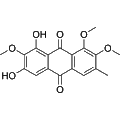
    6,8-Dihydroxy-1,2,7-trimethoxy-3-methylanthraquinone

    6,8-Dihydroxy-1,2,7-trimethoxy-3-methylanthraquinone is an anthraquinone that serves as an α-glucosidase inhibitor, exhibiting an IC50 value of 185 μM. This compound, which can be isolated from Cassia seeds, is valuable for investigating carbohydrate metabolism and potential therapeutic applications in managing diabetes. Its inhibitory activity makes it a suitable candidate for research focused on the modulation of glucose absorption.

    Out of stock

    All 3 sizes
  • Ganoderlactone D
    Cat. No.
    A75167

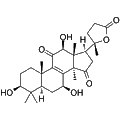
    Ganoderlactone D

    Ganoderlactone D is a potent inhibitor of α-Glucosidase, demonstrating an IC50 value of 41.7 μM in yeast models. This compound is utilized in research to explore its potential effects on carbohydrate metabolism and its role in the management of postprandial hyperglycemia. Its inhibitory action provides a valuable tool for studying the modulation of glucose absorption and its implications in diabetes research.

    1 mg
    $170.00
    5 mg
    $515.00
    All 3 sizes
  • (2α,3β,4α)-2,3,19-Trihydroxyurs-12-ene-23,28-dioic acid
    Cat. No.
    A75168

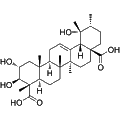
    (2α,3β,4α)-2,3,19-Trihydroxyurs-12-ene-23,28-dioic acid

    (2α,3β,4α)-2,3,19-Trihydroxyurs-12-ene-23,28-dioic acid is a natural saponin extracted from Rubus ellipticus var. obcordatus that acts as an α-Glucosidase inhibitor. This compound exhibits an inhibitory activity with an IC50 of 1.68 mM, making it a valuable tool for research focused on carbohydrate metabolism and diabetes management. Its biological properties facilitate studies exploring the regulation of glucose absorption and potential therapeutic approaches in glycemic control.

    1 mg
    $345.00
    5 mg
    $1,065.00
    All 2 sizes
  • α-Glucosidase-IN-18
    Cat. No.
    A75169

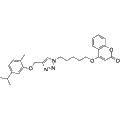
    α-Glucosidase-IN-18

    α-Glucosidase-IN-18 is a potent inhibitor of α-glucosidase, exhibiting an IC50 value of 3.96 μM. This compound demonstrates significant antidiabetic activity, making it a valuable tool for research in glucose metabolism and diabetes treatment. Its oral bioavailability supports its potential applications in pharmacological studies targeting carbohydrate digestion and postprandial blood glucose regulation.

    Out of stock

    All 3 sizes
  • 2-Nitrophenyl β-D-glucopyranoside
    Cat. No.
    A75170

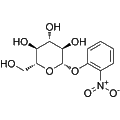
    2-Nitrophenyl β-D-glucopyranoside

    2-Nitrophenyl β-D-glucopyranoside serves as a substrate for β-glucosidase, facilitating the analysis of enzymatic activity. Upon hydrolysis by β-glucosidase, it produces a colored product, enabling quantification of enzyme function. This compound is predominantly utilized in research applications involving carbohydrate metabolism and enzymatic assays.

    50 mg
    $100.00
    100 mg
    $160.00
    All 3 sizes
  • α-Glucosidase-IN-23
    Cat. No.
    A75171

    α-Glucosidase-IN-23

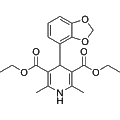
    α-Glucosidase-IN-23 is a potent inhibitor of α-glucosidase, demonstrating an IC50 value of 4.48 μM. This compound effectively lowers blood glucose levels by inhibiting the enzyme α-glucosidase, making it a valuable tool in diabetes research. α-Glucosidase-IN-23 is suitable for studies focused on glucose metabolism and the development of therapeutic strategies for diabetes management.

    1 mg
    $95.00
    5 mg
    $235.00
    All 7 sizes
  • α-Glucosidase-IN-56
    Cat. No.
    A75173

    α-Glucosidase-IN-56

    α-Glucosidase-IN-56 is a potent inhibitor of α-glucosidase, with an IC50 value of 45.86 μM. This compound exhibits significant anti-glycation activity, making it a valuable tool for research in the fields of diabetes and metabolic disorders. Its ability to inhibit carbohydrate digestion positions it as a candidate for further studies aimed at understanding and managing glycemic responses.

    Out of stock

    All 3 sizes
  • α-Glucosidase-IN-13
    Cat. No.
    A75174

    α-Glucosidase-IN-13

    α-Glucosidase-IN-13 is an α-glucosidase inhibitor, demonstrating an IC50 value of 5.69 μM. This compound effectively interferes with the enzyme's activity, making it a valuable tool for studying carbohydrate metabolism and the regulation of blood glucose levels. Its applications extend to diabetes research and the development of therapeutic strategies targeting glycemic control.

    Out of stock

    All 3 sizes
  • α-Glucosidase-IN-30
    Cat. No.
    A75175

    α-Glucosidase-IN-30

    α-Glucosidase-IN-30 is a competitive inhibitor of α-glucosidase, exhibiting a Ki value of 40.0 µM and an IC50 of 49.0 µM. This reagent demonstrates non-cytotoxicity in both cancer (MCF-7) and normal (HDF) cell lines, making it suitable for research applications in Type 2 diabetes studies. Its oral bioactivity and selectivity position it as an important tool for exploring therapeutic interventions targeting carbohydrate metabolism.

    Out of stock

    All 3 sizes
  • α-Glucosidase-IN-100
    Cat. No.
    A75177

    α-Glucosidase-IN-100

    α-Glucosidase-IN-100 is a potent inhibitor of α-glucosidase, a key enzyme involved in carbohydrate metabolism. This compound is instrumental in exploring metabolic disorders, particularly diabetes, by modulating glucose absorption and metabolism. Its use in research may provide insights into therapeutic strategies for managing hyperglycemia and associated metabolic conditions.

    Out of stock

    All 3 sizes
  • Valienamine
    Cat. No.
    A75178

    Valienamine

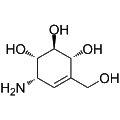
    Valienamine is an alpha-glucosidase inhibitor that plays a crucial role in the regulation of carbohydrate metabolism. This compound is a fundamental structural component of various natural glycosidase inhibitors, including the agricultural fungicide validamycin A and the antidiabetic drug acarbose. Valienamine is primarily utilized in research applications focused on diabetes management and crop protection strategies.

    Out of stock

    All 3 sizes
  • 1,6,8-Trihydroxy-2,7-dimethoxy-3-methylanthraquinone
    Cat. No.
    A75179

    1,6,8-Trihydroxy-2,7-dimethoxy-3-methylanthraquinone

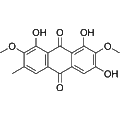
    1,6,8-Trihydroxy-2,7-dimethoxy-3-methylanthraquinone is a potent α-glucosidase inhibitor isolated from Cassia obtusefolia. It demonstrates a significant inhibitory effect with an IC50 value of 120.65 μg/mL. This compound is valuable for research into diabetic mechanisms and potential therapeutic interventions. Its efficacy in modulating carbohydrate metabolism makes it a useful tool in the study of metabolic disorders.

    Out of stock

    All 3 sizes
  • α-Amylase-IN-2
    Cat. No.
    A75181

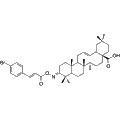
    α-Amylase-IN-2

    α-Amylase-IN-2 is an oleanolic acid oxime ester derivative that acts as a potent α-glucosidase inhibitor, exhibiting an IC50 value of 1.28 µM. Additionally, it demonstrates inhibitory activity against α-amylase with an IC50 of 3.8 µM. This compound is valuable for research applications focused on metabolic disorders such as diabetes, where modulation of carbohydrate digestion is critical.

    25 mg
    $1,275.00
    50 mg
    $1,625.00
    All 3 sizes
  • 5-C-phenethyl-DNJ hydrochloride
    Cat. No.
    A75182

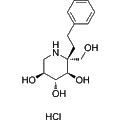
    5-C-phenethyl-DNJ hydrochloride

    5-C-phenethyl-DNJ hydrochloride is a potent activator of acid α-glucosidase (GAA). It enhances GAA activity across multiple tissues, notably in the diaphragm, making it a valuable tool for research into metabolic disorders, including Pompe disease. This compound provides insights into therapeutic strategies aimed at modulating GAA activity for the treatment of glycemic imbalances.

    Out of stock

    All 3 sizes
  • 6β-Hydroxyipolamiide
    Cat. No.
    A75183

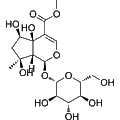
    6β-Hydroxyipolamiide

    6β-Hydroxyipolamiide is an α-glucosidase inhibitor identified in the methanolic extract of S. jamaicensis leaves. It demonstrates significant inhibitory activity with an IC50 of 539.17 μg/mL. This compound is relevant for research focused on carbohydrate metabolism and the management of conditions related to glycemic control.

    5 mg
    $445.00
    All 1 sizes
  • ML247
    Cat. No.
    A75185

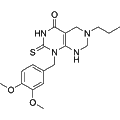
    ML247

    ML247 is a selective small molecule chaperone that targets acid α-glucosidase, facilitating proper protein folding and function. This compound enhances enzyme activity and stability, making it a valuable tool for investigating metabolic disorders, particularly Pompe disease. Its role in improving enzyme efficacy underscores its potential in research applications focused on lysosomal storage diseases and enzyme replacement therapies.

    Out of stock

    All 3 sizes

Items 176-200 of 275

Added to your cart

View Cart Checkout

    Loading...