- Cat. No.
- A11279
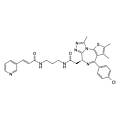
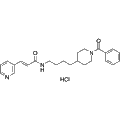
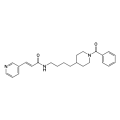
FK866
Synonyms: K 22.175
FK866, a highly specific noncompetitive inhibitor of nicotinamide phosphoribosyltransferase, represents a novel mechanism for induction of tumor cell apoptosis.
Search by product name, CAS, target or catalog number. Press Down Arrow to reach product suggestions, Tab to move between links, and Escape to close suggestions.
NAMPT inhibitors and activators act on nicotinamide phosphoribosyltransferase in the NAD+ salvage pathway. NAMPT converts nicotinamide to nicotinamide mononucleotide, the rate-limiting step in recycling nicotinamide adenine dinucleotide (NAD+). A 2004 study showed that this salvage pathway sustains NAD+ levels and regulates sirtuin deacetylase activity in mammalian cells. FK866, described in 2003 as a noncompetitive NAMPT inhibitor, depletes NAD+ and triggers apoptosis in tumor cell lines. CHS-828, GNE-617 and STF 118804 are further inhibitors, and KPT 9274 inhibits both NAMPT and p21-activated kinase 4 (PAK4). P7C3, P7C3-A20 and SBI-797812 act in the opposite direction, and P7C3 compounds were shown in 2014 to activate NAMPT in studies of neuroprotection.
Synonyms: K 22.175
FK866, a highly specific noncompetitive inhibitor of nicotinamide phosphoribosyltransferase, represents a novel mechanism for induction of tumor cell apoptosis.
P7C3-A20 is a potent neuroprotective agent.
Synonyms: GMX1778
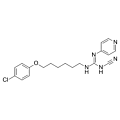
CHS-828 is a potent inhibitor of NAD+ biosynthesis enzyme NAMPT with IC50
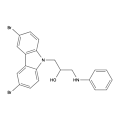
P7C3 is neurogenic and protects new neurons against apoptosis. It protects newborn neurons in the dentate gyrus and stimulates the growth of new neurons.
Synonyms: R-P7C3-Ome
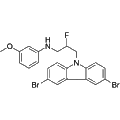
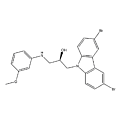
(R)-P7C3-Ome is a methoxy derivative of parent compound P7C3, an aminopropyl carbazole that exhibits antidepressant and neuroprotective activities.
GNE-617 is a potent nicotinamide phosphoribosyltransferase (NAMPT) inhibitor with IC50 value of 5nM.
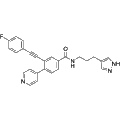
STF 118804 is a highly specific NAMPT inhibitor that reduces the viability of most B-ALL cell lines with high potency IC50 values in the low nanomolar range and improves survival in an orthotopic xenotransplant model of high-risk acute lymphoblastic leukemia.
Synonyms: ATG-019
KPT 9274 ( ATG-019) is an orally bioavailable small molecule that is a non-competitive dual inhibitor of PAK4 and NAMPT. It shows an IC50 of ~120 nM for NAMPT in a cell-free enzymatic assay.
SBI-797812 is a novel NAMPT activator, elevating liver NAD+, turning NAMPT into a "super catalyst" that more efficiently generates NMN.
Nampt-IN-3 (Compound 35) simultaneously inhibit nicotinamide phosphoribosyltransferase (NAMPT) and HDAC with IC50s of 31 nM and 55 nM, respectively. Nampt-IN-3 effectively induces cell apoptosis and autophagy and ultimately leads to cell death.
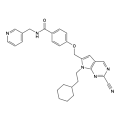
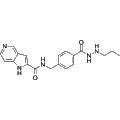
LB-60-OF61 is a NAMPT inhibitor and is a cytotoxic compound with a selectivity towards MYC overexpressing cell lines.
CB30865(ZM 242421) is a potent inhibitor of Nampt , an enzyme present in the NAD biosynthetic pathway.
Synonyms: LSN3154567
Nampt-IN-1 (LSN3154567) is a potent and selective NAMPT inhibitor. Nampt-IN-1 inhibits purified NAMPT with an IC50 of 3.1 nM.
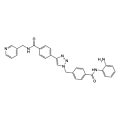
BRD4/NAMPT-IN-1 (Compound A2) is a dual inhibitor of NAMPT and BRD4, with IC₅₀ values of 35 nM and 58 nM, respectively. It suppresses the growth and migration of hepatocellular carcinoma cells and induces apoptosis. In the HCCLM3 xenograft mouse model, BRD4/NAMPT-IN-1 exhibits potent anticancer activity without apparent toxicity.
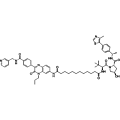
Nampt degrader-2 is a potent PROTAC designed to target and degrade nicotinamide adenine dinucleotide (NAD+) precursor NAMPT with an IC50 of 41.9 nM. By forming a ternary complex with NAMPT and VHL, it effectively induces degradation through the ubiquitin-proteasome system. This compound significantly reduces NAD+ levels and demonstrates remarkable antitumor activity, making it a valuable tool for cancer research and therapeutic exploration.
OT-82 is a selective, orally active inhibitor of Nicotinamide Adenine Dinucleotide Phosphate (NAMPT). It exhibits potent cytotoxicity specifically towards hematopoietic cells and induces cell death in a NAD+ dependent manner. Due to these properties, OT-82 shows potential as an innovative antineoplastic agent for investigating hematological malignancies.
HDAC/NAMPT-IN-1 is a potent dual inhibitor of histone deacetylases (HDAC) and nicotinamide adenine dinucleotide (NAD+) biosynthesis enzyme NAMPT, exhibiting IC50 values ranging from 0.72 to 37081 nM for HDAC and 1618 nM for NAMPT. This compound demonstrates significant potential in modulating cellular acetylation levels and metabolic processes associated with cancer and neurodegenerative diseases. Its application in research can facilitate studies on epigenetic regulation and NAD+ metabolism, contributing to a deeper understanding of cellular mechanisms and therapeutic strategies.
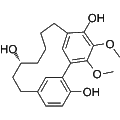
Myricanol is a diarylheptanoid that acts as a Nampt activator, enhancing SIRT1 and PRDX5 activities. This compound exhibits notable anti-inflammatory properties and mitigates glucocorticoid-induced muscle atrophy while regulating inflammatory mediators. Additionally, it demonstrates growth inhibition and promotes apoptosis in human lung adenocarcinoma A549 cells. Myricanol is also implicated in neuroprotection via autophagy-mediated clearance of microtubule-associated protein tau and contributes to cardiovascular health by inhibiting key signaling pathways such as PDGFRβ and NF-κB. Its activation of mitochondrial transcription factor A (TFAM) further supports anti-renal fibrosis effects and improves insulin sensitivity through AMPK activation.
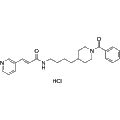
Synonyms: (E/Z)-FK866 hydrochloride; (E/Z)-APO866 hydrochloride
(E/Z)-Daporinad hydrochloride is a potent inhibitor of nicotinamide phosphoribose transferase (NAMPT). By specifically targeting NAMPT, this compound induces apoptosis through the gradual depletion of intracellular NAD+. (E/Z)-Daporinad hydrochloride is utilized in research to explore mechanisms in cancer biology and inflammatory diseases.
PDEδ/NAMPT IN-1 is a potent dual inhibitor targeting phosphodiesterase 6 (PDE6) with a binding affinity of 0.410 nM and nicotinamide phosphoribosyl transferase (NAMPT) with an IC50 of 2.21 nM. This compound effectively disrupts KRAS-related signaling pathways and hampers the synthesis of nicotinamide adenine dinucleotide (NAD+), leading to apoptosis in KRAS mutant pancreatic cancer cells. PDEδ/NAMPT IN-1 holds significant potential for advancing research in KRAS mutant pancreatic cancer.
Out of stock
All 3 sizes
Mutant IDH1/NAMPT-IN-1 is a dual inhibitor targeting mutant isocitrate dehydrogenase 1 (mutant IDH1) and nicotinamide phosphoribosyltransferase (NAMPT), with IC50 values of 14.93 nM and 12.56 nM, respectively. This compound effectively induces apoptosis, making it a valuable tool for research into cancer mechanisms and treatment strategies. Additionally, Mutant IDH1/NAMPT-IN-1 demonstrates the capability to cross the blood-brain barrier, enhancing its potential for applications in neurological studies and therapies.
Out of stock
All 3 sizes
Nampt-IN-16 is a potent NAMPT inhibitor exhibiting an IC50 value of 0.15 μM. This compound effectively reduces intracellular levels of NAD+ and ATP, leading to the inhibition of proliferation, migration, and invasion in gastric cancer cells. Additionally, Nampt-IN-16 induces cell cycle arrest and apoptosis while altering cellular metabolism. It is a valuable tool for research focused on tumors, particularly gastric cancer.
Out of stock
All 3 sizes
PARP1/NAMPT-IN-1 is a potent dual inhibitor of PARP1 and NAMPT, exhibiting IC50 values of 1.2 nM and 6.7 nM, respectively. This compound disrupts the homologous recombination repair pathway, leading to the accumulation of DNA double-strand breaks, which induces cell cycle arrest and apoptosis. Additionally, PARP1/NAMPT-IN-1 demonstrates antimigratory effects and has shown significant antitumor activity in a breast cancer xenograft model. It is a valuable tool for research on triple-negative breast cancer (TNBC).
Out of stock
All 3 sizes
Synonyms: FK866 hydrochloride; APO866 hydrochloride
Daporinad hydrochloride is a potent non-competitive inhibitor of nicotinamide phosphoribosyltransferase (Nampt), with a Ki of 0.3 nM. It induces cellular effects such as depletion of NAD+ and ATP levels, suppression of the mTORC1 and MAPK/ERK signaling pathways, and activation of TFEB, leading to enhanced autophagy. Additionally, Daporinad hydrochloride disrupts the endoplasmic reticulum calcium pool, impairing T cell activation through diminished mitogen-induced calcium signaling. This compound is valuable for research in myeloma, liver cancer, and immunosuppression, with effects including cell cycle arrest and apoptosis in various cancer cell lines.
Out of stock
All 3 sizes
Nampt-IN-8 is a selective inhibitor of Nicotinamide Adenine Dinucleotide Phosphate (NAMPT) with an IC50 value of 0.183 μM. This compound effectively induces apoptosis in cultured cells and enhances reactive oxygen species (ROS) production. It is a valuable tool for research on metabolic regulation and cellular stress responses, particularly in studies related to cancer and neurodegenerative diseases.