FAAH

FAAH inhibitors act on fatty acid amide hydrolase (FAAH), a serine hydrolase that ends anandamide signaling. The enzyme was cloned in 1996 as a membrane protein that hydrolyzes oleamide, anandamide and related fatty acid amides. Inhibiting FAAH raises endogenous anandamide levels without directly binding cannabinoid receptors. In 2003, URB597 increased brain anandamide and produced anxiolytic-like effects in rats. PF-3845 and PF-04457845 are covalent FAAH inhibitors, and JNJ-42165279 and BIA 10-2474 extend the set. JZL195 inhibits both FAAH and monoacylglycerol lipase (MAGL) and also appears under Lipase. FP-Biotin is a biotinylated fluorophosphonate probe for activity-based profiling of serine hydrolases.

Items 51-71 of 71

  • SA57
    Cat. No.
    A74652

    SA57

    SA57 is a selective inhibitor of fatty acid amide hydrolase (FAAH), exhibiting IC50 values of 3.2 nM and 1.9 nM for mouse and human FAAH, respectively. In addition to its primary target, SA57 demonstrates inhibitory effects on 2-arachidonoylglycerol hydrolases, including monoacylglycerol lipase (MAGL) with IC50s of 410 nM and 1.4 μM for mouse and human, as well as mouse α/β-hydrolase domain-containing protein 6 (mABHD6) with an IC50 of 850 nM. This compound is valuable for research related to the endocannabinoid system and pain management studies.

    1 mg
    $60.00
    5 mg
    $345.00
    All 3 sizes
  • FAAH/MAGL-IN-2
    Cat. No.
    A74653

    FAAH/MAGL-IN-2

    FAAH/MAGL-IN-2 is a potent, reversible inhibitor of fatty acid amide hydrolase (FAAH) and monoacylglycerol lipase (MAGL). It exhibits IC50 values of 11 nM and 36 nM for FAAH and MAGL, respectively, demonstrating significant inhibitory potency. This compound effectively crosses the blood-brain barrier, making it a valuable tool for investigating the role of endogenous lipids in neuropathic pain while minimizing locomotion impairment. Its selective inhibition profile facilitates research into therapeutic approaches for pain management and related disorders.

    25 mg
    $1,275.00
    50 mg
    $1,625.00
    All 3 sizes
  • FAAH-IN-7
    Cat. No.
    A74654

    FAAH-IN-7

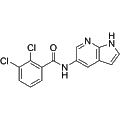
    FAAH-IN-7 is a potent and reversible inhibitor of fatty acid amide hydrolase (FAAH) with an IC50 of 8.29 nM. This compound effectively reduces oxidative stress in 1321N1 astrocytes and demonstrates significant neuroprotective effects in ex vivo models of neuroinflammation. FAAH-IN-7 is valuable for studies involving neuroprotection and modulation of the endocannabinoid system in various neurological research applications.

    Out of stock

    All 3 sizes
  • URB532
    Cat. No.
    A74655

    URB532

    URB532 is a selective inhibitor of fatty acid amide hydrolase (FAAH) with an IC50 of 396 nM. This compound effectively elevates the levels of key endogenous lipid mediators, including arachidonic acid acetamide (AEA), palmitoylethanolamide (PEA), and oleamide (OEA) in the rat brain. URB532 has demonstrated notable anxiolytic and analgesic effects, making it a valuable tool for research on pain and anxiety modulation.

    25 mg
    $1,275.00
    50 mg
    $1,625.00
    All 3 sizes
  • FAAH-IN-5
    Cat. No.
    A74656

    FAAH-IN-5

    FAAH-IN-5 is an irreversible inhibitor of fatty acid amide hydrolase (FAAH) with a reported IC50 of 10.5 nM, demonstrating relative selectivity. This compound is suitable for research applications focused on endocannabinoid signaling pathways and pain modulation. Despite its potency, FAAH-IN-5 exhibits low permeability in the Parallel Artificial Membrane Permeability Assay (PAMPA), making it an important tool for studies in pharmacokinetics and bioavailability.

    25 mg
    $1,275.00
    50 mg
    $1,625.00
    All 3 sizes
  • URB694
    Cat. No.
    A74657

    URB694

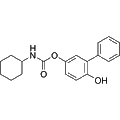
    URB694 is a carbamate inhibitor of fatty acid amide hydrolase (FAAH) that irreversibly carbamoylates the catalytic serine residue in the FAAH active site. This compound exhibits notable antidepressant-like effects and offers potential cardioprotective properties. URB694 can also be utilized in the synthesis of 11C-Carbonyl-URB694, facilitating in vivo positron emission tomography (PET) imaging studies aimed at elucidating FAAH activity in the brain.

    25 mg
    $80.00
    50 mg
    $160.00
    All 4 sizes
  • MDPD
    Cat. No.
    A74658

    MDPD

    MDPD is an activator of Arabidopsis fatty acid amide hydrolase (AtFAAH), promoting increased enzymatic activity of this important regulatory enzyme. This compound is utilized in research applications focused on lipid metabolism and amide hydrolysis pathways, contributing to the understanding of fatty acid signaling processes in plant biology. MDPD's ability to enhance AtFAAH activity makes it a valuable tool for studies investigating the physiological roles of fatty acid amides in Arabidopsis.

    25 mg
    $1,275.00
    50 mg
    $1,625.00
    All 3 sizes
  • MK-4409
    Cat. No.
    A74659

    MK-4409

    MK-4409 is a potent inhibitor of fatty acid amide hydrolase (FAAH) that demonstrates significant anti-inflammatory properties. It is primarily utilized in research focusing on inflammatory and neuropathic pain mechanisms. The compound’s ability to modulate endocannabinoid levels makes it a valuable tool for studying pain pathways and potential therapeutic interventions.

    1 mg
    $235.00
    2 mg
    $355.00
    All 7 sizes
  • OL-135
    Cat. No.
    A74661

    OL-135

    OL-135 is a selective and reversible inhibitor of fatty acid amide hydrolase (FAAH) that effectively penetrates the central nervous system. It demonstrates notable analgesic properties, making it a valuable tool for research into pain modulation and the endocannabinoid system. This compound is suitable for studies exploring the therapeutic potential of FAAH inhibition in various neurological disorders.

    5 mg
    $270.00
    10 mg
    $440.00
    All 5 sizes
  • FAAH-IN-8
    Cat. No.
    A74662

    FAAH-IN-8

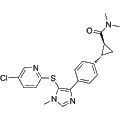
    FAAH-IN-8 is a competitive inhibitor of fatty acid amide hydrolase (FAAH), exhibiting an IC50 value of 6.7 nM and a Ki value of 5 nM. This compound demonstrates high blood-brain barrier permeability and possesses a notable antioxidant profile without neurotoxic effects. FAAH-IN-8 is valuable for research applications involving pain management, neuroinflammation, and cannabinoid modulation.

    25 mg
    $1,275.00
    50 mg
    $1,625.00
    All 3 sizes
  • VDM11
    Cat. No.
    A74663

    VDM11

    VDM11 is a potent and selective inhibitor of fatty acid amide hydrolase (FAAH), serving as a key modulator in endocannabinoid signaling. By inhibiting FAAH, VDM11 enhances the levels of anandamide, which can contribute to various physiological effects, including pain modulation and neuroprotection. This compound is beneficial for research applications examining endocannabinoid pathways and developing therapeutics for related disorders.

    5 mg
    $115.00
    10 mg
    $235.00
    All 4 sizes
  • JNJ-40413269
    Cat. No.
    A74665

    JNJ-40413269

    JNJ-40413269 is a potent inhibitor of fatty acid amide hydrolase (FAAH), demonstrating inhibition of human and rat FAAH with IC50 values of 28 nM and 270 nM, respectively. This compound exhibits notable analgesic efficacy in the rat spinal nerve ligation model, making it a valuable tool for pain research. Additionally, JNJ-40413269 showcases favorable pharmacokinetic properties in rats, supporting its potential utility in pharmaceutical development.

    25 mg
    $1,275.00
    50 mg
    $1,625.00
    All 3 sizes
  • Arachidonamide
    Cat. No.
    A74666

    Arachidonamide

    Synonyms: Arachidonoyl amine; Arachidonic acid amide

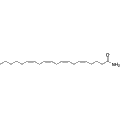
    Arachidonamide is a substrate for fatty acid amide hydrolase (FAAH), an important enzyme in the endocannabinoid system. This compound is utilized in research to investigate the biochemical pathways involving anandamide metabolism and its implications in various physiological processes. Arachidonamide can serve as a valuable tool in studies focused on pain relief, neuroprotection, and inflammation.

    5 mg
    $90.00
    10 mg
    $150.00
    All 2 sizes
  • FAAH-IN-9
    Cat. No.
    A74667

    FAAH-IN-9

    FAAH-IN-9 is an irreversible inhibitor of fatty acid amide hydrolase (FAAH) with a Ki value of 0.02 nM. This compound is specifically designed to enhance endocannabinoid signaling by preventing the degradation of endogenous fatty acid amides. FAAH-IN-9 is valuable for research into pain management, neuroprotection, and other physiological processes influenced by endocannabinoids.

    0.1 mg
    $85.00
    0.5 mg
    $390.00
    All 5 sizes
  • Arachidonoyl m-nitroaniline
    Cat. No.
    A74668

    Arachidonoyl m-nitroaniline

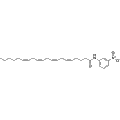
    Arachidonoyl m-nitroaniline is a substrate for fatty acid amide hydrolase (FAAH), facilitating the measurement of FAAH activity in biochemical assays. This compound serves as a reliable tool for researchers investigating the metabolism of fatty acid amides and the role of FAAH in various biological processes. Its utilization aids in elucidating the enzymatic mechanisms and potential therapeutic targets related to endocannabinoid signaling and pain modulation.

    Out of stock

    All 3 sizes
  • MK-3168 (12C)
    Cat. No.
    A74669

    MK-3168 (12C)

    MK-3168 (12C) is a potent FAAH inhibitor exhibiting IC50 values of 1.0 nM for human, 5.5 nM for rhesus, and 1.7 nM for rat models. This compound demonstrates significant brain uptake and produces a FAAH-specific signal, making it a valuable tool in neurobiological research. MK-3168 (12C) is also applicable as a PET tracer for studying FAAH activity in vivo, facilitating insights into cannabinoid signaling pathways.

    25 mg
    $1,275.00
    50 mg
    $1,625.00
    All 3 sizes
  • CAY10435
    Cat. No.
    A74670

    CAY10435

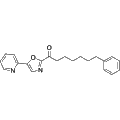
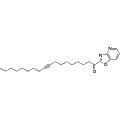
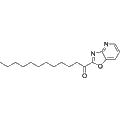
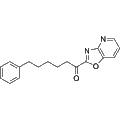
    CAY10435 is a β-ketooxazapyridine that selectively inhibits fatty acid amide hydrolase (FAAH). Demonstrating antimicrobial activity, CAY10435 binds non-competitively to FAAH in Dictyostelium discoideum with a dissociation constant (Kd) of 0.57 nM. This compound is valuable for studying FAAH-related pathways and exploring potential therapeutic applications targeting lipid signaling.

    Out of stock

    All 3 sizes
  • JNJ-42165279 dihydrochloride
    Cat. No.
    A74671

    JNJ-42165279 dihydrochloride

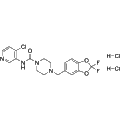
    JNJ-42165279 dihydrochloride is a selective inhibitor of fatty acid amide hydrolase (FAAH) with an IC50 of 70 nM for human FAAH and 313 nM for rat FAAH. This compound enhances endocannabinoid levels by preventing the breakdown of fatty acid amides, which can lead to increased pain relief and anti-inflammatory effects. JNJ-42165279 is utilized in research applications focusing on pain management, neuroprotection, and the modulation of the endocannabinoid system.

    25 mg
    $1,275.00
    50 mg
    $1,625.00
    All 3 sizes
  • AZ513
    Cat. No.
    A74672

    AZ513

    AZ513 is a reversible inhibitor of fatty acid amide hydrolase (FAAH), exhibiting IC50 values of 551 nM for human FAAH and 27 nM for rat FAAH. This compound effectively inhibits the hydrolysis of anandamide in human FAAH-transfected HEK293 cells, demonstrating an IC50 of 360 nM. AZ513 is suitable for research applications focusing on the modulation of endocannabinoid signaling pathways and the study of pain relief and neuroprotection mechanisms.

    Out of stock

    All 3 sizes
  • PHOP
    Cat. No.
    A74673

    PHOP

    PHOP is a selective inhibitor of fatty acid amide hydrolase (FAAH), utilized in fluorometric assays to evaluate inhibitory activity. It effectively quantifies FAAH activity by detecting the release of 4-pyridin-1-ylbutyric acid in rat brain microsomes. PHOP's capability for direct measurement of FAAH activity through reversed-phase HPLC and fluorescence detection supports its potential as a foundational tool in the development of novel FAAH inhibitors. This reagent is instrumental in fatty acid signaling research and related therapeutic investigations.

    Out of stock

    All 3 sizes
  • Decanoyl m-Nitroaniline
    Cat. No.
    A92803

    Decanoyl m-Nitroaniline

    Synonyms: DemNA

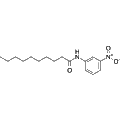
    Decanoyl m-Nitroaniline is a substrate specifically designed for the assessment of fatty acid amide hydrolase (FAAH) activity. Its unique structure allows for the efficient measurement of FAAH function through absorbance detection at 410 nm. This compound is valuable for research applications focused on endocannabinoid modulation and lipid signaling pathways.

    5 mg
    $110.00
    10 mg
    $190.00
    All 3 sizes

Items 51-71 of 71

Added to your cart

View Cart Checkout

    Loading...