Glucosidase

Glucosidase inhibitors block enzymes that cleave glucose units from oligosaccharides, disaccharides and glycoproteins. Intestinal α-glucosidases break down dietary carbohydrates, so their inhibitors are used to study postprandial glucose uptake. Acarbose, a pseudo-oligosaccharide, and miglitol, an iminosugar, are standard inhibitors of these enzymes. In the endoplasmic reticulum, glucosidases I and II trim glucose residues from newly attached N-linked glycans. Trimming and later reglucosylation control glycoprotein binding to the chaperone calnexin, as reported in 1995. Deoxynojirimycin and celgosivir inhibit these processing glucosidases and are used in glycoprotein folding and virology research. Miglustat hydrochloride, an N-alkylated iminosugar, also inhibits glucosylceramide synthase in glycosphingolipid research.

Items 76-100 of 275

  • Sekikaic acid
    Cat. No.
    A69501

    Sekikaic acid

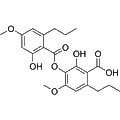
    Sekikaic acid is a potent inhibitor of α-glucosidase and α-amylase, playing a significant role in the management of carbohydrate metabolism. Its biological activities include hypolipidemic and antioxidant effects, as well as antidiabetic properties, making it a valuable compound for research into metabolic disorders. Sekikaic acid has been shown to significantly reduce LDL cholesterol, total cholesterol, and triglyceride levels, while also promoting the regeneration of pancreatic beta cells. This compound is an essential tool for studies focused on diabetes and lipid metabolism.

    1 mg
    $405.00
    All 1 sizes
  • α-Amylase-IN-12
    Cat. No.
    A69502

    α-Amylase-IN-12

    α-Amylase-IN-12 is a selective inhibitor of α-amylase, exhibiting a mixed inhibition mechanism with an IC50 value of 0.15 mM. It also demonstrates an IC50 of 9.40 mM against α-glucosidase. This compound promotes glucose uptake in yeast cells and shows notable antiglycation activity at elevated concentrations. α-Amylase-IN-12 is applicable in diabetes research, providing insights into carbohydrate metabolism and potential therapeutic strategies.

    Out of stock

    All 3 sizes
  • 2,7"-Phloroglucinol-6,6'-bieckol
    Cat. No.
    A69504

    2,7"-Phloroglucinol-6,6'-bieckol

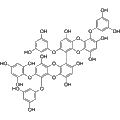
    2,7"-Phloroglucinol-6,6'-bieckol functions as a dual inhibitor of α-glucosidase and α-amylase, exhibiting IC50 values of 6.94 μM and 23.35 μM, respectively. This compound has demonstrated the ability to mitigate postprandial hyperglycemia in diabetic mouse models. 2,7"-Phloroglucinol-6,6'-bieckol is valuable for research focused on diabetes and glucose metabolism.

    1 mg
    $530.00
    5 mg
    $1,355.00
    All 2 sizes
  • α-Amylase/α-Glucosidase-IN-7
    Cat. No.
    A69505

    α-Amylase/α-Glucosidase-IN-7

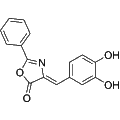
    α-Amylase/α-Glucosidase-IN-7 is a competitive dual inhibitor targeting α-glucosidase and α-amylase, demonstrating IC50 values of 18.52 µM and 20.25 µM, respectively. Additionally, this compound effectively inhibits acetylcholinesterase (AChE) and butyrylcholinesterase (BChE), with IC50 values of 9.25 µM and 10.06 µM. α-Amylase/α-Glucosidase-IN-7 is valuable for research applications related to diabetes and Alzheimer’s disease.

    Out of stock

    All 3 sizes
  • 3,4,6-Tri-O-galloyl-D-glucose
    Cat. No.
    A69507

    3,4,6-Tri-O-galloyl-D-glucose

    Synonyms: 3,4,6-Trigalloylglucose

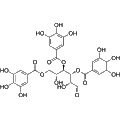
    3,4,6-Tri-O-galloyl-D-glucose is a mixed-type inhibitor of α-amylase and α-glucosidase, with an IC50 of 334.6 μM against porcine α-amylase and 46.5 μM against yeast α-glucosidase. This compound demonstrates free radical scavenging capabilities, ferric-reducing power, and significant antioxidant activity. Its properties make it a valuable tool for research focused on diabetes and related metabolic disorders.

    Out of stock

    All 3 sizes
  • Antidiabetic agent 5
    Cat. No.
    A69508

    Antidiabetic agent 5

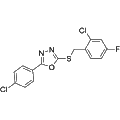
    Antidiabetic Agent 5 is an inhibitor of α-glucosidase and α-amylase, demonstrating IC50 values of 3.91 μM and 8.89 μM, respectively. This compound effectively reduces sugar levels in biological systems, making it a valuable tool for the study of type II diabetes. Antidiabetic Agent 5 offers potential insights into therapeutic strategies for managing glycemic control and advancing diabetes research.

    Out of stock

    All 3 sizes
  • Ladyginoside A
    Cat. No.
    A69511

    Ladyginoside A

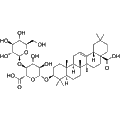
    Ladyginoside A is a triterpenoid saponin derived from the leaves of Polyscias fruticosa. It exhibits inhibitory activity against α-amylase and α-glucosidase, making it relevant for the regulation of carbohydrate metabolism. Additionally, Ladyginoside A shows potential anti-inflammatory properties and may stabilize mast cells. This compound is suitable for investigations into inflammation and metabolic disorders, including diabetes.

    Out of stock

    All 3 sizes
  • Docosapentaenoic acid (22n-3) sodium
    Cat. No.
    A69513

    Docosapentaenoic acid (22n-3) sodium

    Synonyms: Clupanodonic acid sodium

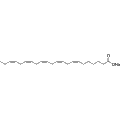
    Docosapentaenoic acid (22n-3) sodium is a key component of phospholipids, influencing cell membrane integrity and function. It exhibits inhibitory activity against α-amylase and α-glucosidase with IC50 values of 17 μg/mL and 22 μg/mL, respectively, contributing to its potential applications in metabolic research. Additionally, Docosapentaenoic acid (22n-3) sodium has been shown to enhance cell viability and demonstrates mild anti-inflammatory properties, making it useful for various biological studies.

    1 mg
    $100.00
    5 mg
    $300.00
    All 4 sizes
  • Amyloglucosidase, Aspergillus niger
    Cat. No.
    A70487

    Amyloglucosidase, Aspergillus niger

    Synonyms: Amyloglucosidase; 1,4-α-D-Glucan glucohydrolase; Exo-1,4-α-glucosidase

    Amyloglucosidase, derived from Aspergillus niger, is a metabolic enzyme that catalyzes the hydrolysis of starch into glucose. Its primary application lies in the saccharification of starch, making it essential for various industrial processes such as brewing and distilling. This enzyme enhances the efficiency of carbohydrate conversion and is valuable for researchers studying enzymatic activity and carbohydrate metabolism.

    25 g
    $65.00
    All 1 sizes
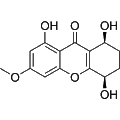
  • Tetrahydro bellidifolin
    Cat. No.
    A70671

    Tetrahydro bellidifolin

    Tetrahydro bellidifolin is a hepatoprotective agent derived from the hydrolysis of tetrahydroswertianolin by β-glucosidase. It demonstrates significant hepatoprotective activity, effectively reducing serum alanine aminotransferase (ALT) levels. This compound is valuable for research focused on liver injury and its protective mechanisms.

    Out of stock

    All 3 sizes
  • α-Glucosidase, Yeast
    Cat. No.
    A71565

    α-Glucosidase, Yeast

    Synonyms: α-D-Glucosidase; Yeast

    α-Glucosidase, Yeast is a carbohydrate hydrolyzing enzyme that catalyzes the release of α-glucose from the non-reducing end of carbohydrate substrates. This enzyme plays a crucial role in glucose absorption in the small intestine. Inhibition of α-glucosidase is a well-established strategy for the management of non-insulin-dependent diabetes mellitus (NIDDM), making it a valuable tool for biochemical research and therapeutic development targeting glycemic control.

    25 mg
    $40.00
    100 mg
    $160.00
    All 3 sizes
  • Endoglycoceramidase II (EGCase II)
    Cat. No.
    A72240

    Endoglycoceramidase II (EGCase II)

    Endoglycoceramidase II (EGCase II) is an endo-β-glucosidase that specifically cleaves β-glycosidic linkages between glucose and ceramide in glycosphingolipids. This enzyme catalyzes the hydrolysis of these linkages, thereby releasing intact glycans from ceramides. EGCase II is instrumental in glycosphingolipid research, facilitating the structural analysis and functional studies of glycoconjugates in various biological contexts. It serves as a valuable tool in understanding glycan-mediated cellular processes and their implications in health and disease.

    1 mg
    $560.00
    All 1 sizes
  • Maltose monohydrate
    Cat. No.
    A72256

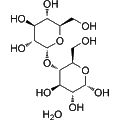
    Maltose monohydrate

    Maltose monohydrate is a degradative product of starch and serves as a substrate for α-glucosidase, which hydrolyzes maltose into glucose. This compound plays a significant role in various biological processes, including carbohydrate metabolism. Additionally, maltose monohydrate demonstrates protective effects on proteins, membranes, and the photosynthetic electron transport chain under conditions of heat stress and freezing stress, making it valuable for research into stress responses in biological systems.

    5 g
    $20.00
    10 g
    $25.00
    All 3 sizes
  • 1,4-Dideoxy-1,4-imino-D-arabinitol hydrochloride
    Cat. No.
    A72279

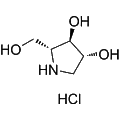
    1,4-Dideoxy-1,4-imino-D-arabinitol hydrochloride

    1,4-Dideoxy-1,4-imino-D-arabinitol hydrochloride is an endogenous metabolite that functions as an inhibitor of glycogen phosphorylase and α-glucosidases. This naturally occurring pyrrolidine alkaloid, isolated from Arachniodes standishii and Angylocalyx boutiqueanus, plays a critical role in carbohydrate metabolism. Its unique inhibitory properties make it valuable for research applications in studying metabolic disorders and enzyme regulation.

    1 mg
    $70.00
    5 mg
    $315.00
    All 4 sizes
  • Pedalitin
    Cat. No.
    A72539

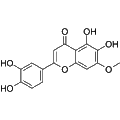
    Pedalitin

    Pedalitin is a dual inhibitor of tyrosinase (IC50 = 0.28 mM) and α-glucosidase (IC50 = 0.29 mM). This compound demonstrates significant biological activity in the regulation of melanin production and glucose metabolism. Pedalitin is suitable for research applications exploring skin pigmentation disorders and metabolic diseases.

    1 mg
    $190.00
    5 mg
    $485.00
    All 3 sizes
  • Sucrose phosphorylase
    Cat. No.
    A72940

    Sucrose phosphorylase

    Synonyms: SP

    Sucrose phosphorylase is a bacterial transglucosidase that facilitates the conversion of sucrose and phosphate into α-D-glucose-1-phosphate and D-fructose. This enzyme can also hydrolyze the glucosylated product into α-D-glucose or transfer the glucosyl moiety to hydroxyl groups of acceptors, leading to the formation of novel α-D-glucoside compounds. Sucrose phosphorylase exhibits specific enzymatic activity, making it valuable for applications in carbohydrate synthesis and bioconversion research.

    100 mg
    $195.00
    500 mg
    $505.00
    All 2 sizes
  • Glyurallin A
    Cat. No.
    A73780

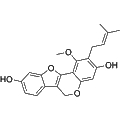
    Glyurallin A

    Glyurallin A is a potent α-glucosidase inhibitor, effectively isolated from Glycyrrhiza uralensis. With an IC50 value of 0.3 μM, it demonstrates significant inhibitory activity against α-glucosidase, making it a valuable compound for research on anti-diabetic mechanisms. Glyurallin A is suitable for studies focusing on glucose metabolism and potential therapeutic applications in diabetes management.

    5 mg
    $1,910.00
    All 1 sizes
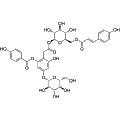
  • (6-O-p-Coumaroyl)-β-D-glucopyranosyl-2-O-(4-hydroxybenzoyl)-4-O-β-D-glucopyranosyl-6-hydroxyphenylacetate
    Cat. No.
    A73985

    (6-O-p-Coumaroyl)-β-D-glucopyranosyl-2-O-(4-hydroxybenzoyl)-4-O-β-D-glucopyranosyl-6-hydroxyphenylacetate

    (6-O-p-Coumaroyl)-β-D-glucopyranosyl-2-O-(4-hydroxybenzoyl)-4-O-β-D-glucopyranosyl-6-hydroxyphenylacetate functions as a selective α-glucosidase inhibitor, exhibiting an IC50 of 10.53 μg/mL. This compound demonstrates significant anti-hepatic fibrosis and anti-diabetic activities, while also inhibiting the proliferation of mouse hepatic stellate cells (t-HSC/Cl-6) with an IC50 of 109.2 μg/mL. Isolated from the ester derivatives of Impatiens balsamina L. flowers, it serves as a valuable reagent for research focusing on hepatic fibrosis and type 2 diabetes.

    Out of stock

    All 3 sizes
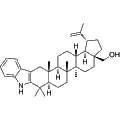
  • 2,3-Indolobetulin
    Cat. No.
    A74059

    2,3-Indolobetulin

    2,3-Indolobetulin is a pentacyclic triterpene and a derivative of betulin that acts as an α-glucosidase inhibitor. This compound demonstrates significant biological activity in modulating carbohydrate metabolism and is applicable in research focused on diabetes management and glycemic control. Its potential as a therapeutic agent in glucose regulation makes it valuable for studies on metabolic disorders.

    25 mg
    $85.00
    50 mg
    $125.00
    All 3 sizes
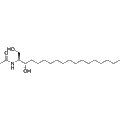
  • Cedefingol
    Cat. No.
    A74076

    Cedefingol

    Cedefingol is an endogenous metabolite that acts as an α-glucosidase inhibitor. This compound demonstrates antitumor properties and exhibits diverse bioactivities influenced by the fermentation time of dark tea samples. Additionally, cedefingol displays antioxidant activity, as evidenced by its effectiveness in the DPPH assay. Research applications include studies on metabolic pathways, enzymatic processes, and potential therapeutic effects in cancer research.

    25 mg
    $1,275.00
    50 mg
    $1,625.00
    All 3 sizes
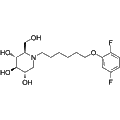
  • IHVR-11029
    Cat. No.
    A74938

    IHVR-11029

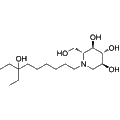
    IHVR-11029 is a potent small molecule inhibitor of ER α-glucosidases, demonstrating an EC50 of 0.09 μM. This compound is primarily utilized in research for exploring glucosidase enzymatic activity and its implications in metabolic disorders. Its specificity and efficacy make it a valuable tool for studies investigating glycosylation processes and related pathways.

    5 mg
    $130.00
    10 mg
    $210.00
    All 5 sizes
  • CM-10-18
    Cat. No.
    A74942

    CM-10-18

    CM-10-18 is a potent inhibitor of α-glucosidases I and II, demonstrating significant activity in vitro and in animal models. This compound also exhibits antiviral properties by inhibiting dengue virus (DENV) infection in cultured human cells, while effectively reducing peak viremia in mice. CM-10-18 is valuable for research applications related to glycosidase inhibition and viral pathogenesis.

    25 mg
    $1,530.00
    50 mg
    $1,950.00
    All 3 sizes
  • α-Glucosidase-IN-5
    Cat. No.
    A74980

    α-Glucosidase-IN-5

    α-Glucosidase-IN-5 is a potent α-glucosidase inhibitor, exhibiting an IC50 of 57.9 µM. This compound is valuable for studying the modulation of carbohydrate metabolism and has potential applications in diabetes mellitus research. By inhibiting α-glucosidase, α-Glucosidase-IN-5 may aid in the investigation of glycemic control and the development of therapeutic strategies for diabetes management.

    25 mg
    $1,275.00
    50 mg
    $1,625.00
    All 3 sizes
  • Fucoidan
    Cat. No.
    A75025

    Fucoidan

    Fucoidan is a biologically active polysaccharide that functions as an anticoagulant and exhibits antitumor properties. It effectively inhibits α-amylase and α-glucosidase, contributing to its potential applications in metabolic disorder research. Additionally, Fucoidan demonstrates antioxidant and antisteatotic activities, making it a valuable tool for studying various disease processes and therapeutic interventions.

    50 mg
    $25.00
    100 mg
    $30.00
    All 4 sizes
  • Gallacetophenone
    Cat. No.
    A75026

    Gallacetophenone

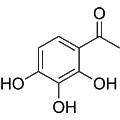
    Gallacetophenone is a potent inhibitor of α-glucosidase, displaying an IC50 value of 408.6 μM. This compound demonstrates synergistic effects on mammalian α-glucosidase when combined with 1-Deoxynojirimycin at elevated concentrations. Gallacetophenone is valuable for research into metabolic disorders, particularly type 2 diabetes, by facilitating the understanding of carbohydrate metabolism and its implications in glycemic control.

    5 g
    $30.00
    10 g
    $45.00
    All 5 sizes

Items 76-100 of 275

Added to your cart

View Cart Checkout

    Loading...