Ferroptosis

Ferroptosis inducers and inhibitors are used to study an iron-dependent form of regulated cell death. The term was introduced in 2012 for erastin-triggered cell death that differs from apoptosis and requires iron. Erastin depletes glutathione by inhibiting system xc-, the cystine/glutamate antiporter that supplies cysteine to cells. Glutathione peroxidase 4 (GPX4) reduces phospholipid hydroperoxides, and its inhibition lets lipid peroxidation accumulate to lethal levels. RSL3 and ML-210 inhibit GPX4 directly and are standard inducers in cell models. Ferrostatin-1 and liproxstatin-1 act in the opposite direction by trapping lipid radicals. Liproxstatin-1 protected mice with inducible Gpx4 deletion from acute renal failure in a 2014 study. Iron chelators such as deferiprone help to confirm the iron dependence of the process.

Items 101-113 of 113

  • ATF3-IN-1
    Cat. No.
    A27080

    ATF3-IN-1

    ATF3-IN-1 is a potent inhibitor of ATF3, targeting the ATF3/SLC7A11/GPX4 pathway to mitigate ferroptosis and oxidative stress. This compound demonstrates significant neuroprotective effects, particularly in conditions of ischemia/reperfusion (I/R) injury, promoting neuronal survival in ischemic stroke models. ATF3-IN-1 is valuable for research into therapeutic strategies for neuroprotection and the underlying mechanisms of ischemic stroke.

    5 mg
    $215.00
    10 mg
    $355.00
    All 5 sizes
  • Moracin N
    Cat. No.
    A27084

    Moracin N

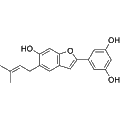
    Moracin N is a potent ferroptosis inhibitor derived from mulberry leaves. It demonstrates neuroprotective activity by mitigating oxidative stress, providing valuable insights into the mechanisms of cell survival under stress conditions. This compound is applicable in research exploring neurodegenerative diseases and ferroptosis-related pathways.

    1 mg
    $230.00
    5 mg
    $715.00
    All 3 sizes
  • Ardisiacrispin B
    Cat. No.
    A27088

    Ardisiacrispin B

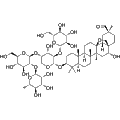
    Ardisiacrispin B is an apoptosis and ferroptosis activator. It exhibits cytotoxic effects in cancer cells that are resistant to multiple treatments, promoting cell death through the induction of ferroptosis and apoptosis pathways. This compound is valuable for research applications focused on understanding resistance mechanisms in cancer and exploring therapeutic strategies that leverage ferroptotic cell death.

    1 mg
    $80.00
    5 mg
    $205.00
    All 5 sizes
  • SRS16-86
    Cat. No.
    A27090

    SRS16-86

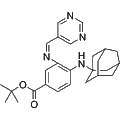
    SRS16-86 is a potent ferroptosis inhibitor that provides enhanced stability in vivo compared to other inhibitors. This compound is effective in research applications involving renal ischemia-reperfusion injury and spinal cord injury, making it a valuable tool for investigating ferroptosis-related pathways and therapeutic interventions. SRS16-86 allows researchers to explore the mechanisms of ferroptosis and its implications in various diseases.

    1 mg
    $25.00
    2 mg
    $35.00
    All 7 sizes
  • HJ03
    Cat. No.
    A37363

    HJ03

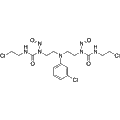
    HJ03 is a potent inducer of ferroptosis that targets DNA damage pathways. It enhances intracellular reactive oxygen species (ROS) levels, facilitates Fe2+ accumulation, and promotes lipid peroxidation, ultimately leading to the induction of DNA adducts and interstrand crosslinks. By inhibiting DNA replication and transcription, HJ03 effectively arrests the cell cycle at the G2/M phase and triggers apoptosis. This reagent is valuable for investigating glioblastoma multiforme and colorectal cancer research.

    Out of stock

    All 3 sizes
  • Taurolithocholic acid
    Cat. No.
    A38796

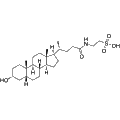
    Taurolithocholic acid

    Taurolithocholic acid is a bile acid recognized for its role as a ferroptosis suppressor. It activates the TGR5-PI3K/AKT-SREBP2 signaling pathway, leading to the upregulation of FADS2, which inhibits SFTSV-induced ferroptosis and viral replication, while also modulating pro-inflammatory cytokines such as IL-1β. In addition to its antiviral properties, taurolithocholic acid influences hepatocellular transport processes, promoting cholestatic effects. This compound serves as a valuable experimental model for studying hepatocellular cholestasis and provides insight into severe fever with thrombocytopenia syndrome without exhibiting cytotoxicity at concentrations ≤200 μM.

    2 mg
    $25.00
    5 mg
    $40.00
    All 3 sizes
  • Ferroptosis/apoptosis inducer-2
    Cat. No.
    A96199

    Ferroptosis/apoptosis inducer-2

    Ferroptosis/apoptosis inducer-2 is an anticancer agent that selectively promotes ferroptosis and apoptosis in tumor cells. This compound demonstrates significant cytotoxic activity both in vitro and in vivo, making it a valuable tool for cancer research. Its dual mechanism of action provides insights into the regulation of cell death pathways, offering potential therapeutic applications in oncology.

    Out of stock

    All 3 sizes
  • Tauroisolithocholanoic acid (sodium)
    Cat. No.
    B10925

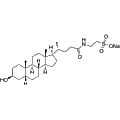
    Tauroisolithocholanoic acid (sodium)

    Tauroisolithocholanoic acid (sodium) is a sodium salt of the isomeric form of taurolithocholic acid, a bile acid variant. This compound is primarily used in research to study its interactions in gastrointestinal physiology and metabolism. Its biological activity includes modulation of cholesterol metabolism and potential effects on lipid absorption. Researchers can utilize this reagent to investigate its role in liver function and related metabolic pathways.

    Out of stock

    All 3 sizes
  • Dexrazoxane monohydrochloride
    Cat. No.
    B18535

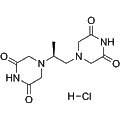
    Dexrazoxane monohydrochloride

    Dexrazoxane monohydrochloride is the hydrochloride form of Dexrazoxane, primarily acting as an iron chelator and apoptosis inducer. This compound exhibits significant cardioprotective, anti-inflammatory, antioxidant, anti-tumor, and neuroprotective properties, making it a valuable tool in research. It is commonly utilized for studying cardiac protection during chemotherapy, as well as mechanisms of ferroptosis inhibition.

    10 mg
    $320.00
    All 1 sizes
  • Tralopyril
    Cat. No.
    B21282

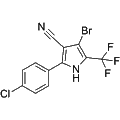
    Tralopyril

    Tralopyril is a potent ferroptosis inducer that selectively targets the thyroid hormone system and mitochondrial oxidative phosphorylation pathways. It promotes ferroptosis by downregulating key transcription factors such as TRHR, Nkx2.1, and TRα, thereby disrupting amino acid, energy, and lipid metabolism. Despite its primary application as an antifouling insecticide, its significant toxicity to skeletal and reproductive systems, alongside its implications for developmental damage, renders it useful in toxicological studies. Tralopyril's long half-life in vivo and broad tissue distribution highlight potential risks to both aquatic organisms and human health.

    250 mg
    $20.00
    500 mg
    $25.00
    All 4 sizes
  • Isoeugenol acetate
    Cat. No.
    B21512

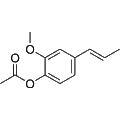
    Isoeugenol acetate

    Synonyms: Acetyl isoeugenol

    Isoeugenol acetate is a ferroptosis inhibitor derived from isoeugenol. This compound has been shown to modulate cell death mechanisms associated with oxidative stress, making it a valuable tool for investigating ferroptosis in various biological contexts. Its applications extend to research in cancer biology, neurodegenerative diseases, and other conditions where ferroptosis plays a critical role.

    50 mg
    $25.00
    100 mg
    $30.00
    All 4 sizes
  • WMK-1
    Cat. No.
    B21838

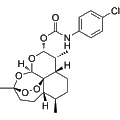
    WMK-1

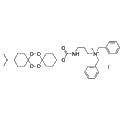
    WMK-1 is a 1,2,4,5-tetraoxane derivative that functions as a potent ferroptosis inducer. It exhibits significantly greater cytotoxicity towards cancer cells compared to non-cancerous cells, effectively triggering ferroptosis in both cancer cells and cancer stem cells. This compound is valuable for research focused on cancer biology and therapeutic strategies targeting ferroptosis.

    Out of stock

    All 3 sizes
  • WMK-2
    Cat. No.
    B21849

    WMK-2

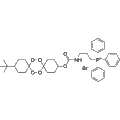
    WMK-2 is a 1,2,4,5-tetraoxane derivative that functions as a ferroptosis inducer, demonstrating broad-spectrum anticancer activity. Its mechanism involves the generation of hydroxyl radicals and lipid reactive oxygen species (ROS), leading to ferroptosis in cancer cells and cancer stem cells. This compound serves as a valuable tool for research focused on cancer biology and therapeutic strategies targeting ferroptosis.

    Out of stock

    All 3 sizes

Items 101-113 of 113

Added to your cart

View Cart Checkout

    Loading...