Ferroptosis

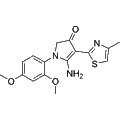
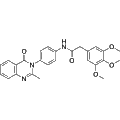
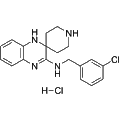
Ferroptosis inducers and inhibitors are used to study an iron-dependent form of regulated cell death. The term was introduced in 2012 for erastin-triggered cell death that differs from apoptosis and requires iron. Erastin depletes glutathione by inhibiting system xc-, the cystine/glutamate antiporter that supplies cysteine to cells. Glutathione peroxidase 4 (GPX4) reduces phospholipid hydroperoxides, and its inhibition lets lipid peroxidation accumulate to lethal levels. RSL3 and ML-210 inhibit GPX4 directly and are standard inducers in cell models. Ferrostatin-1 and liproxstatin-1 act in the opposite direction by trapping lipid radicals. Liproxstatin-1 protected mice with inducible Gpx4 deletion from acute renal failure in a 2014 study. Iron chelators such as deferiprone help to confirm the iron dependence of the process.

Items 76-100 of 113

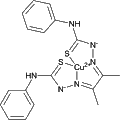
  • CuATSP
    Cat. No.
    A26974

    CuATSP

    CuATSP is a potent inhibitor of ferroptotic cell death, demonstrating approximately 20-fold greater efficacy compared to its predecessor, CuATSM. This compound has significant implications for research focused on cell death mechanisms and oxidative stress-related diseases. It is valuable for studying the pathways involved in ferroptosis and its potential therapeutic applications in various conditions, including neurodegenerative disorders and cancer.

    1 mg
    $25.00
    5 mg
    $55.00
    All 6 sizes
  • (1R,3R)-RSL3
    Cat. No.
    A26975

    (1R,3R)-RSL3

    (1R,3R)-RSL3 is an isomer of RSL3 and serves as a potent inhibitor of glutathione peroxidase 4 (GPX4), promoting ferroptotic cell death in various cancer models. This compound decreases GPX4 protein expression, leading to a shift in cellular redox balance and the induction of ferroptosis. Additionally, (1R,3R)-RSL3 elevates the levels of p62 and Nrf2 while inactivating Keap1, making it a valuable tool for studying the mechanisms of ferroptosis in cancer research and therapeutic applications.

    5 mg
    $125.00
    10 mg
    $210.00
    All 5 sizes
  • 2-Acetamidophenol
    Cat. No.
    A26980

    2-Acetamidophenol

    Synonyms: Orthocetamol

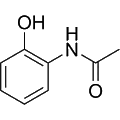
    2-Acetamidophenol, an ortho-regioisomer of Paracetamol, serves as a ferroptosis regulator, primarily influencing glutathione metabolic pathways. This compound exhibits anti-atherosclerotic properties, effectively reducing total cholesterol and triglyceride levels in zebrafish hyperlipidemia models with IC50 values of 30 μM and 40 μM, respectively. Additionally, 2-Acetamidophenol promotes the expression of genes associated with glutathione synthesis and iron ion transport, mitigates intracellular reactive oxygen species and ferrous ion accumulation, and enhances glutathione peroxidase GPX4 activity, consequently inhibiting macrophage phagocytosis of oxidized low-density lipoprotein and foam cell development.

    2 g
    $20.00
    25 g
    $25.00
    All 4 sizes
  • Ferroptosis inducer-2
    Cat. No.
    A26993

    Ferroptosis inducer-2

    Ferroptosis inducer-2 is a potent inducer of heme oxygenase-1 (HO-1) that facilitates the process of ferroptosis. It demonstrates significant anticancer activity against triple-negative breast cancer (TNBC) cells by promoting iron-dependent cell death. This compound is valuable for research focused on exploring the mechanisms of ferroptosis and developing novel therapeutic strategies for cancer treatment.

    5 mg
    $105.00
    10 mg
    $180.00
    All 5 sizes
  • Ferroptosis inducer-1
    Cat. No.
    A26998

    Ferroptosis inducer-1

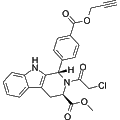
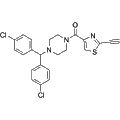
    Ferroptosis inducer-1 (BX-3a) is a potent inducer of ferroptosis, a form of regulated cell death characterized by iron-dependent lipid peroxidation. This compound exhibits antitumor activity and serves as a valuable tool for investigating ferroptosis pathways in cancer research. Ferroptosis inducer-1 features an alkyne group, enabling it to participate in copper-catalyzed azide-alkyne cycloaddition (CuAAc) with azide-containing molecules, facilitating advanced chemical biology applications.

    5 mg
    $145.00
    10 mg
    $235.00
    All 5 sizes
  • IM-93
    Cat. No.
    A27001

    IM-93

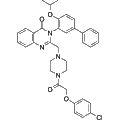
    IM-93 is a potent inhibitor of ferroptosis and NETosis, with an IC50 of 0.45 µM for the inhibition of cell death. This compound serves as a valuable tool for researchers investigating the mechanisms of ferroptosis and NETosis in various biological contexts. Its ability to modulate these cell death pathways can aid in the exploration of therapeutic strategies for diseases associated with oxidative stress and inflammation.

    1 mg
    $90.00
    5 mg
    $265.00
    All 4 sizes
  • Ferroptosis-IN-19
    Cat. No.
    A27008

    Ferroptosis-IN-19

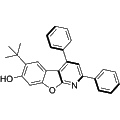
    Ferroptosis-IN-19 is a potent ferroptosis inhibitor exhibiting an IC50 value of 0.097 μM. This compound demonstrates high metabolic stability and favorable predictions for blood-brain barrier permeation. Ferroptosis-IN-19 has been shown to provide neuroprotective effects in vivo against ischemic brain injury in murine models, making it a valuable tool for exploring ferroptosis in neurological research.

    5 mg
    $270.00
    10 mg
    $445.00
    All 5 sizes
  • Ferroptosis-IN-8
    Cat. No.
    A27009

    Ferroptosis-IN-8

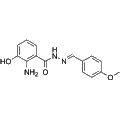
    Ferroptosis-IN-8 is a potent ferroptosis inhibitor with an EC50 of 40.49 nM. This compound effectively lowers lipid reactive oxygen species (ROS) levels in cellular systems. By acting as an antioxidant that captures lipid radicals, Ferroptosis-IN-8 mitigates the accumulation of detrimental lipid peroxides, thereby inhibiting the ferroptotic process. This reagent is valuable for research in cell death mechanisms and oxidative stress.

    1 mg
    $20.00
    5 mg
    $65.00
    All 7 sizes
  • Ferroptosis-IN-21
    Cat. No.
    A27012

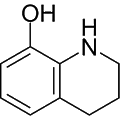
    Ferroptosis-IN-21

    Synonyms: 1,2,3,4-Tetrahydroquinolin-8-ol; 8-hydroxy-1,2,3,4-tetrahydroquinoline

    Ferroptosis-IN-21 is a selective ferroptosis inhibitor that mitigates renal ischemia/reperfusion (I/R) injury by suppressing ferroptosis and effectively scavenging peroxyl radicals. Demonstrating nanomolar potency, it exhibits significant anti-ferroptotic activity in renal tubular epithelial cells, leading to a marked reduction in lipid reactive oxygen species (ROS) and lipid peroxidation biomarkers such as 4-hydroxynonenal. In preclinical studies, Ferroptosis-IN-21 has shown to alleviate histological damage and functional impairment in mice models of renal I/R injury, making it a valuable reagent for research in ferroptosis-targeted therapeutic development.

    1 g
    $20.00
    5 g
    $55.00
    All 4 sizes
  • Ferroptosis-IN-22
    Cat. No.
    A27016

    Ferroptosis-IN-22

    Ferroptosis-IN-22 is a selective ferroptosis inhibitor that targets and disrupts the interaction between NCOA4 and ferritin, demonstrating an EC50 of 520 nM and a Kd of 0.78 μM. This compound exhibits potent inhibitory activity against ferroptosis induced by agents such as RSL3, Erastin, ML210, and FIN56, while sparing necrosis and apoptosis pathways. Ferroptosis-IN-22 has shown efficacy in ameliorating acute liver injury induced by Concanavalin A, making it a valuable tool for research in ferroptosis-related diseases.

    Out of stock

    All 3 sizes
  • BCP-T.A
    Cat. No.
    A27017

    BCP-T.A

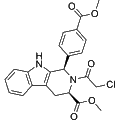
    BCP-T.A is a tunable heterocyclic electrophile that functions as a potent inducer of ferroptosis by targeting glutathione peroxidase 4 (GPX4). This compound possesses an alkyne group, enabling it to participate in copper-catalyzed azide-alkyne cycloaddition (CuAAc) reactions with azide-containing molecules. BCP-T.A is valuable for studies on ferroptosis mechanisms and the development of therapeutic strategies targeting this regulated form of cell death.

    1 mg
    $30.00
    5 mg
    $70.00
    All 6 sizes
  • FINO2
    Cat. No.
    A27029

    FINO2

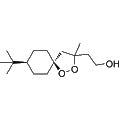
    FINO2 is a potent inducer of ferroptosis, primarily acting through the inhibition of GPX4 activity. This reagent is a stable oxidant that facilitates the oxidation of ferrous iron and is effective across a range of pH levels. Its mechanism drives extensive lipid peroxidation, making it a valuable tool for research into ferroptosis and related cellular death pathways.

    1 mg
    $40.00
    5 mg
    $105.00
    All 6 sizes
  • Erastin2
    Cat. No.
    A27032

    Erastin2

    Erastin2 is a selective inhibitor of the xc(-) cystine/glutamate transporter, functioning as a potent inducer of ferroptosis. This compound disrupts intracellular cystine availability, leading to increased oxidative stress and subsequent cell death. Erastin2 is valuable for research applications targeting ferroptosis in cancer biology and neurodegenerative diseases, providing insights into therapeutic strategies that exploit this regulated cell death pathway.

    1 mg
    $55.00
    5 mg
    $135.00
    All 6 sizes
  • trans-3-Indoleacrylic acid
    Cat. No.
    A27037

    trans-3-Indoleacrylic acid

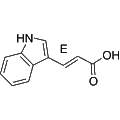
    Trans-3-Indoleacrylic acid is a ferroptosis inhibitor that acts through modulation of the AHR-ALDH1A3-FSP1-CoQ10 axis. It has been shown to promote tumor development by inhibiting RSL3-induced ferroptosis, thereby contributing to the progression of colorectal carcinogenesis. This compound serves as a valuable tool for research into ferroptosis mechanisms and cancer biology.

    25 mg
    $25.00
    50 mg
    $35.00
    All 5 sizes
  • N6F11
    Cat. No.
    A27039

    N6F11

    N6F11 is a selective ferroptosis inducer that targets TRIM25 to promote the degradation of GPX4 in cancer cells while preserving immune cell functionality. This compound triggers HMGB1-dependent antitumor immunity, activating CD8+ T cells and enhancing the immune response against tumors. N6F11 is suitable for research applications focused on cancer therapy and the mechanisms underlying ferroptosis.

    1 mg
    $20.00
    5 mg
    $35.00
    All 6 sizes
  • FSEN1
    Cat. No.
    A27040

    FSEN1

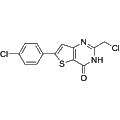
    FSEN1 is a potent non-competitive inhibitor of FSP1, demonstrating an IC50 value of 313 nM. By inhibiting FSP1, FSEN1 induces iron death in cancer cells, making it a valuable tool for cancer research. Its ability to trigger iron death pathways positions FSEN1 as an important compound for studies focused on cancer biology and therapeutic intervention strategies.

    1 mg
    $35.00
    5 mg
    $80.00
    All 6 sizes
  • 84-B10
    Cat. No.
    A27044

    84-B10

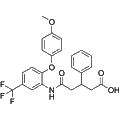
    84-B10 is a potent ferroptosis inhibitor derived from 3-phenylglutaric acid. It effectively inhibits cisplatin-induced tubular ferroptosis, thereby mitigating mitochondrial damage and oxidative stress associated with cisplatin treatment. Consequently, 84-B10 demonstrates protective effects against cisplatin-induced acute kidney injury (AKI), making it a valuable reagent for research on drug-induced nephrotoxicity and ferroptosis-related mechanisms.

    1 mg
    $35.00
    5 mg
    $80.00
    All 7 sizes
  • viFSP1
    Cat. No.
    A27049

    viFSP1

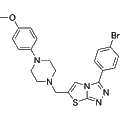
    viFSP1 is a potent inhibitor of FSP1 (Ferroptosis Suppressor Protein 1) that acts by directly targeting the highly conserved NAD(P)H binding pocket. This compound effectively induces ferroptosis in FSP1-dependent cancer cells, making it a valuable tool for studying the mechanisms of cell death. viFSP1 is particularly applicable in research focused on renal and breast cancer, providing insights into therapeutic strategies that exploit ferroptotic pathways.

    5 mg
    $410.00
    10 mg
    $670.00
    All 5 sizes
  • icFSP1
    Cat. No.
    A27056

    icFSP1

    icFSP1 is a selective inhibitor of ferroptosis suppressor protein-1 (FSP1), which plays a critical role in regulating ferroptosis. This compound triggers the relocalization of FSP1 from the membrane and promotes its condensation, working synergistically with GPX4 inhibition to induce ferroptosis. Additionally, icFSP1 exhibits significant antitumor activity, particularly against melanoma, making it a valuable tool for research in cancer biology and ferroptosis modulation.

    1 mg
    $230.00
    5 mg
    $545.00
    All 6 sizes
  • Cephaeline
    Cat. No.
    A27060

    Cephaeline

    Synonyms: (-)-Cephaeline; NSC 32944 free base

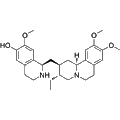
    Cephaeline is a phenolic alkaloid derived from the roots of Cephaelis ipecacuanha, functioning as a potent inhibitor of Zika virus (ZIKV) and Ebola virus (EBOV) infections. It induces histone H3 acetylation, playing a role in epigenetic regulation, and has been shown to induce ferroptosis in mucoepidermoid carcinoma cancer stem cells by inhibiting NRF2. This makes Cephaeline a valuable reagent for researchers studying antiviral mechanisms and ferroptosis in cancer therapy.

    1 mg
    $100.00
    5 mg
    $215.00
    All 7 sizes
  • Liproxstatin-1 hydrochloride
    Cat. No.
    A27061

    Liproxstatin-1 hydrochloride

    Liproxstatin-1 hydrochloride is a potent inhibitor of ferroptosis, a regulated form of cell death characterized by lipid peroxidation. It effectively prevents ferroptotic cell death with an IC50 value of 22 nM. This compound is valuable for research applications focused on oxidative stress, neurodegenerative diseases, and cancer, where modulating ferroptosis may provide therapeutic insights.

    5 mg
    $80.00
    10 mg
    $140.00
    All 5 sizes
  • YL-939
    Cat. No.
    A27066

    YL-939

    YL-939 is a potent inhibitor of ferroptosis, a regulated form of cell death characterized by the accumulation of lipid peroxides. It acts by targeting the PHB2/ferritin/iron axis, effectively modulating iron metabolism and oxidative stress. This compound is valuable for research applications focused on neurodegeneration, cancer, and other diseases where ferroptosis plays a critical role.

    5 mg
    $230.00
    10 mg
    $380.00
    All 5 sizes
  • CuATSM
    Cat. No.
    A27070

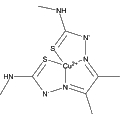
    CuATSM

    CuATSM is a copper complex that serves as a potent inhibitor of ferroptosis through the scavenging of free radicals and inhibition of lipid peroxidation. This compound demonstrates significant antioxidant and anti-inflammatory properties, making it valuable for addressing neuroprotection in various research contexts. CuATSM is suitable for studies exploring cellular stress responses and neurodegenerative disorders.

    1 mg
    $25.00
    5 mg
    $60.00
    All 6 sizes
  • Piperazine Erastin
    Cat. No.
    A27071

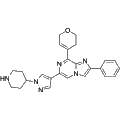
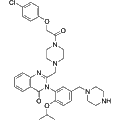
    Piperazine Erastin

    Piperazine Erastin is a ferroptosis inducer that triggers an iron-dependent form of non-apoptotic cell death. This compound is instrumental in cancer research, providing valuable insights into the mechanisms of ferroptosis and potential therapeutic applications in oncology. Its unique action offers a powerful tool for studying cellular metabolism and death pathways in various cancer models.

    1 mg
    $70.00
    5 mg
    $145.00
    All 8 sizes
  • Angelic acid
    Cat. No.
    A27075

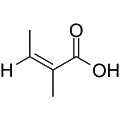
    Angelic acid

    Angelic acid is a ferroptosis inducer that targets NRF2 degradation. By binding to the NRF2 protein, it facilitates its ubiquitination and subsequent proteasomal degradation, thereby mitigating the protective effects of NRF2 against oxidative stress and promoting lipid peroxidation. This process leads to the induction of ferroptosis in tumor cells, evidenced by increased intracellular reactive oxygen species (ROS) and upregulation of ferroptosis-related markers such as CHAC1 and PTGS2. Additionally, Angelic acid exhibits the ability to scavenge UVA-induced ROS, inhibiting skin fibroblast senescence and extracellular matrix degradation, and promotes wound healing through its sedative properties.

    5 mg
    $25.00
    10 mg
    $30.00
    All 7 sizes

Items 76-100 of 113

Added to your cart

View Cart Checkout

    Loading...