CRFR

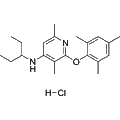
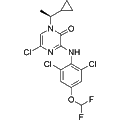
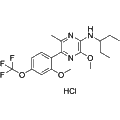
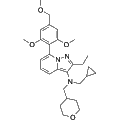
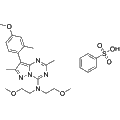
Corticotropin-releasing factor receptor (CRFR) antagonists act on key receptors of the stress response. The peptide corticotropin-releasing factor (CRF) was characterized in 1981 as a 41-residue hypothalamic peptide that stimulates corticotropin secretion. Expression cloning of a human CRF receptor, now called CRF1, followed in 1993, and a second subtype, CRF2, was identified later. Through the hypothalamic-pituitary-adrenal (HPA) axis, CRF1 signaling links stress to glucocorticoid release and anxiety-like behavior. Most compounds here are small-molecule CRF1 antagonists, including pexacerfont, verucerfont, R-121919 and CP 376395. The list also holds Corticotropin Releasing Factor, bovine, and tetracosactide, a corticotropin fragment that acts on melanocortin receptors.

Items 26-50 of 62

  • Astressin 2B
    Cat. No.
    A59732

    Astressin 2B

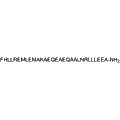
    Astressin 2B is a selective antagonist of the corticotropin-releasing factor receptor 2 (CRFR2) with an IC50 of 0.57 nM. This compound disrupts the protective effects mediated by CRFR2, leading to increased intestinal damage in models of hemorrhagic injury and suggesting potential roles in studying inflammatory responses. Astressin 2B also reverses the protective effects of Urocortin 1 against intestinal complications and mitigates the anxiogenic effects of Urocortin 2, demonstrating its utility in research related to stress-induced anxiety and gastrointestinal pathology. This reagent is an effective tool for investigating CRFR2's role in intestinal protection and inflammatory processes.

    0.5 mg
    $280.00
    1 mg
    $450.00
    All 4 sizes
  • Antisauvagine-30
    Cat. No.
    A59734

    Antisauvagine-30

    Synonyms: aSvg-30

    Antisauvagine-30 is a potent, competitive antagonist of the corticotropin-releasing factor receptor 2 (CRF2), exhibiting a Kd value of 1.4 nM for mouse CRF2β receptors. It demonstrates selectivity over rat CRF1 receptors, with a Kd of 153.6 nM. This compound is valuable for research applications exploring stress response mechanisms, neurobiology, and the role of CRF receptors in various physiological processes.

    5 mg
    $260.00
    10 mg
    $460.00
    All 2 sizes
  • K41498
    Cat. No.
    A59737

    K41498

    K41498 is a selective antagonist of the corticotropin-releasing factor 2 (CRF2) receptor, exhibiting a Ki of 0.66 nM for the human CRF2α receptor and 0.62 nM for the human CRF2β receptor. This compound effectively inhibits cAMP accumulation in CRF2-expressing cells and blocks the hypotensive effects of urocortin administration in conscious rats. Furthermore, K41498 can be radioiodinated without a loss of activity, making it suitable for autoradiographic studies of native CRF2 receptors in rat brain and peripheral tissues.

    1 mg
    $70.00
    5 mg
    $180.00
    All 3 sizes
  • Urotensin I
    Cat. No.
    A59738

    Urotensin I

    Synonyms: Catostomus urotensin I

    Urotensin I is a CRF receptor agonist with high affinity for human CRF1, human CRF2, and rat CRF2α receptors, demonstrating pEC50 values of 11.46, 9.36, and 9.85, respectively. It exhibits inhibition constants (Kis) of 0.4 nM for hCRF1, 1.8 nM for rCRF2α, and 5.7 nM for mCRF2β receptors in CHO cells. This neuropeptide is valuable for research into stress response mechanisms and neuroendocrine regulation, making it a useful tool for studying the CRF signaling pathway and its implications in various physiological and pathological conditions.

    1 mg
    $295.00
    5 mg
    $915.00
    All 2 sizes
  • NBI-27914 hydrochloride
    Cat. No.
    A59739

    NBI-27914 hydrochloride

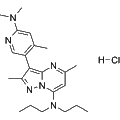
    NBI-27914 hydrochloride is a selective antagonist of the Corticotropin-Releasing Factor 1 (CRF1) receptor, exhibiting a Ki value of 1.7 nM. This compound plays a significant role in the study of stress-related disorders and anxiety, making it a valuable tool for researchers investigating the modulation of CRF1 receptor activity in various biological contexts. Its specificity and potency allow for detailed exploration of CRF1-mediated pathways.

    5 mg
    $395.00
    10 mg
    $660.00
    All 2 sizes
  • NBI 35965 methanesulfonate
    Cat. No.
    A59740

    NBI 35965 methanesulfonate

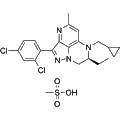
    NBI 35965 methanesulfonate is a selective corticotropin-releasing factor receptor 1 (CRF1) antagonist, exhibiting a Ki value of 4 nM and a pKi value of 8.5, while sparing CRF2. This compound effectively diminishes both CRF and stress-induced adrenocorticotropic hormone (ACTH) production in vivo, with pIC50 values of 7.1 and 6.9, respectively. NBI 35965 methanesulfonate is utilized in research focused on anxiety and stress-related disorders, demonstrating pronounced anxiolytic effects.

    1 mg
    $60.00
    5 mg
    $160.00
    All 4 sizes
  • Urocortin III, mouse
    Cat. No.
    A59741

    Urocortin III, mouse

    Urocortin III, mouse is a corticotropin-releasing factor (CRF)-related peptide that primarily targets and activates CRF receptor type 2 (CRF-R2). It plays a significant role in the behavioral stress response system and is known to modulate social dynamics through its action in the medial amygdala. Urocortin III is valuable for research applications focused on stress responses and neurobehavioral studies.

    1 mg
    $160.00
    5 mg
    $410.00
    All 3 sizes
  • R121919 hydrochloride
    Cat. No.
    A59742

    R121919 hydrochloride

    Synonyms: NBI30775 hydrochloride

    R121919 hydrochloride is a potent and selective antagonist of the corticotropin-releasing factor 1 receptor (CRF1R), exhibiting a binding affinity (Ki) in the range of 2 to 5 nM. This compound demonstrates notable antidepressant and anxiolytic effects, making it a valuable tool for research in stress, anxiety, and depression models. R121919 hydrochloride has been shown to effectively alleviate defensive withdrawal behaviors in rodent studies, supporting its potential use in neuropharmacological investigations.

    10 mg
    $560.00
    50 mg
    $2,280.00
    All 2 sizes
  • CP 154526
    Cat. No.
    A59743

    CP 154526

    CP 154526 is a potent and selective antagonist of the corticotropin-releasing factor receptor 1 (CRF1), exhibiting a Ki of 2.7 nM. This compound demonstrates a strong preference for CRF1 over CRF2, with a Ki greater than 10 μM for the latter. CP 154526 exhibits anxiolytic properties, making it a valuable tool for research on stress-related disorders and anxiety pharmacology.

    25 mg
    $1,530.00
    50 mg
    $1,950.00
    All 3 sizes
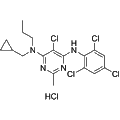
  • CP 376395 hydrochloride
    Cat. No.
    A59744

    CP 376395 hydrochloride

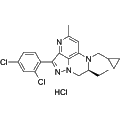
    CP 376395 hydrochloride is a selective antagonist of the Corticotropin-releasing factor 1 (CRF1) receptor, demonstrating high potency and effective brain penetration. This compound is instrumental in research investigating stress-related disorders and associated neurobiological pathways. Its ability to modulate CRF1 signaling makes it a valuable tool for the exploration of potential therapeutic strategies in anxiety and depression models.

    10 mg
    $830.00
    50 mg
    $3,225.00
    All 2 sizes
  • BMS-665053
    Cat. No.
    A59745

    BMS-665053

    BMS-665053 is a potent corticotropin-releasing factor-1 (CRF1) receptor antagonist, exhibiting an IC50 of 1.0 nM. This compound effectively inhibits CRF-stimulated cyclic adenosine monophosphate (cAMP) production in human Y-79 retinoblastoma cells, with an IC50 of 4.9 nM. BMS-665053 is valuable for research in neuroendocrine regulation and stress response pathways.

    25 mg
    $1,275.00
    50 mg
    $1,625.00
    All 3 sizes
  • NGD 98-2 hydrochloride
    Cat. No.
    A59746

    NGD 98-2 hydrochloride

    NGD 98-2 hydrochloride is an orally active antagonist of the corticotropin-releasing factor-1 (CRF-1) receptor. This compound demonstrates significant inhibition of CRF-1 receptor activity, making it valuable for research into stress-related disorders and neuropsychiatric conditions. Its ability to modulate the hypothalamic-pituitary-adrenal (HPA) axis highlights its potential utility in understanding the pathophysiology of anxiety and depression.

    Out of stock

    All 3 sizes
  • E-2508 free base
    Cat. No.
    A59747

    E-2508 free base

    E-2508 free base is a highly selective antagonist of the corticotropin-releasing factor type 1 (CRF1) receptor, exhibiting potent anxiolytic effects with a Ki value of 11 nM. By inhibiting CRF1, E-2508 free base effectively blocks CRF-induced cAMP accumulation, thereby modulating stress response pathways. This compound is valuable for research into stress-related psychiatric disorders, including anxiety and depression, facilitating the study of potential therapeutic interventions.

    Out of stock

    All 3 sizes
  • BMS-763534
    Cat. No.
    A59748

    BMS-763534

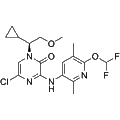
    BMS-763534 is a selective corticotropin-releasing factor 1 (CRF1) antagonist. It has demonstrated the ability to mitigate the effects of stress-related neurological disorders, including depression and anxiety. This compound is valuable in research aimed at understanding the role of the CRF1 receptor in mood regulation and the development of potential therapeutic strategies for stress-induced conditions.

    25 mg
    $1,655.00
    50 mg
    $2,115.00
    All 3 sizes
  • BMS-764459
    Cat. No.
    A59749

    BMS-764459

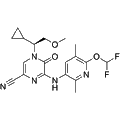
    BMS-764459 is a selective corticotropin-releasing factor 1 (CRF1) antagonist, primarily utilized in the study of neurological disorders, particularly depression and anxiety. This compound has demonstrated efficacy in mitigating the effects of stress and modulating neuroendocrine responses, making it valuable for research into psychiatric conditions. Additionally, BMS-764459 has atypical properties as a CYP1A1 inducer, suggesting potential implications in drug metabolism studies.

    25 mg
    $1,780.00
    50 mg
    $2,280.00
    All 3 sizes
  • a-Helical Corticotropin Releasing Factor (12-41)
    Cat. No.
    A59750

    a-Helical Corticotropin Releasing Factor (12-41)

    a-Helical Corticotropin Releasing Factor (12-41) is an α-helical analogue of corticotropin-releasing factor (CRF) that acts as a CRF inhibitor. By mimicking the structure of natural CRF, this peptide effectively suppresses the secretion of adrenocorticotropic hormone (ACTH), providing valuable insights into stress response mechanisms. Its primary applications include studying the neuroendocrine regulation of stress and investigating potential therapeutic strategies for stress-related disorders.

    Out of stock

    All 3 sizes
  • NBI 35965 hydrochloride
    Cat. No.
    A59752

    NBI 35965 hydrochloride

    NBI 35965 hydrochloride is a selective and orally active antagonist of corticotropin-releasing factor receptor 1 (CRF1), exhibiting a Ki value of 4 nM and a pKi value of 8.5. This compound specifically inhibits CRF1 without affecting CRF2 and effectively reduces CRF or stress-induced adrenocorticotropic hormone (ACTH) production in vivo, with pIC50 values of 7.1 and 6.9, respectively. NBI 35965 hydrochloride demonstrates anxiolytic properties, making it a valuable tool for research into stress-related disorders and neurobiology.

    5 mg
    $330.00
    10 mg
    $540.00
    All 2 sizes
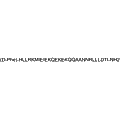
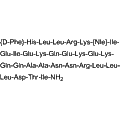
  • (D-Phe12,Nle21,38,α-Me-Leu37)-CRF (12-41) (human, rat)
    Cat. No.
    A59754

    (D-Phe12,Nle21,38,α-Me-Leu37)-CRF (12-41) (human, rat)

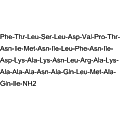
    (D-Phe12,Nle21,38,α-Me-Leu37)-CRF (12-41) is a specific corticotropin-releasing factor (CRF) antagonist. This peptide effectively inhibits IL-1a induced suppression of luteinizing hormone (LH), making it a valuable tool for studying neuroendocrine regulation. Its application extends to investigations into stress response mechanisms and hormonal regulation in both human and rat models.

    Out of stock

    All 3 sizes
  • NGD 98-2
    Cat. No.
    A59755

    NGD 98-2

    NGD 98-2 is an orally active corticotropin-releasing factor-1 (CRF-1) receptor antagonist. It demonstrates significant biological activity by modulating stress-related physiological responses, making it valuable for studies related to anxiety, depression, and stress disorders. This compound is useful in exploring the role of CRF-1 in various neurobiological pathways and potential therapeutic interventions.

    25 mg
    $1,275.00
    50 mg
    $1,625.00
    All 3 sizes
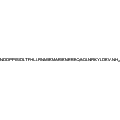
  • [DPro5] Corticotropin Releasing Factor, human, rat
    Cat. No.
    A59756

    [DPro5] Corticotropin Releasing Factor, human, rat

    [DPro5] Corticotropin Releasing Factor, human, rat is a selective agonist for the CRFR2 receptor, primarily involved in neuroendocrine response regulation. This molecule stimulates the release of adrenocorticotropic hormone (ACTH) and β-endorphin, contributing to various physiological responses. Notably, unlike traditional CRF peptides, [DPro5] does not induce anxiogenic effects, instead demonstrating potential to influence learning and memory processes in rat models. It serves as a valuable tool for investigating the role of CRFR2 in stress response and cognitive function.

    Out of stock

    All 3 sizes
  • E2508
    Cat. No.
    A59757

    E2508

    E2508 is an orally active antagonist of the corticotropin-releasing factor 1 (CRF1) receptor, exhibiting a Ki value of 11 nM for human CRF1. This compound plays a crucial role in research related to stress response and anxiety disorders by blocking CRF1-mediated signaling pathways. E2508 is useful for studies investigating therapeutic approaches for conditions associated with dysregulated hypothalamic-pituitary-adrenal (HPA) axis activity.

    25 mg
    $1,275.00
    50 mg
    $1,625.00
    All 3 sizes
  • BMS-561388 benzenesulfonate
    Cat. No.
    A59758

    BMS-561388 benzenesulfonate

    BMS-561388 benzenesulfonate is a selective antagonist of the corticotropin-releasing factor receptor (CRFR). This compound exhibits significant potential in modulating stress-related responses, making it a valuable tool for research into neurological disorders such as anxiety and depression. Its ability to inhibit CRFR activity underscores its relevance in the study of stress-related pathologies and therapeutic interventions.

    Out of stock

    All 3 sizes
  • (Tyr0)-Urocortin, rat
    Cat. No.
    A59759

    (Tyr0)-Urocortin, rat

    (Tyr0)-Urocortin, rat is a high-affinity agonist for both corticotropin-releasing factor receptor type 1 (CRF-R1) and type 2 (CRF-R2). Exhibiting inhibitory binding constants (Ki) in the range of 1-2 nM, it is a key reagent for studying the role of CRF receptors in stress response and neuroendocrine signaling. This compound is particularly valuable for research into anxiety, depression, and related disorders, facilitating investigations into receptor-mediated pathways and therapeutic interventions.

    Out of stock

    All 3 sizes
  • Sauvagine
    Cat. No.
    A59760

    Sauvagine

    Sauvagine, a 40-amino-acid neuropeptide and a potent corticotropin-releasing factor (CRF) agonist, is derived from the skin of the frog. It effectively stimulates the release of adrenocorticotropic hormone (ACTH) from rat pituitary cells. Additionally, sauvagine exhibits various pharmacological effects, influencing diuresis, cardiovascular function, and endocrine activity, making it a valuable tool for research in neurobiology and endocrinology.

    5 mg
    $990.00
    All 1 sizes
  • Stresscopin (human)
    Cat. No.
    A59762

    Stresscopin (human)

    Stresscopin (human) is a selective ligand of type 2 corticotropin-releasing hormone (CRH) receptors, playing a critical role in the regulation of the body's stress response. This compound is integral for studying stress-related disorders, including anxiety and depression, by modulating the neuroendocrine response. Its specificity for CRHR2 makes it a valuable tool in understanding the physiological and pathological mechanisms underlying stress responses.

    Out of stock

    All 3 sizes

Items 26-50 of 62

Added to your cart

View Cart Checkout

    Loading...