- Cat. No.
- A20413
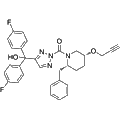
JZP-430
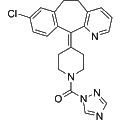
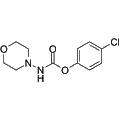
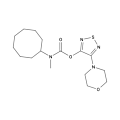
JZP-430 is a potent, highly selective, irreversible inhibitor of α/β-hydrolase domain 6 (ABHD6) with an IC50 of 44 nM, exhibits ~230-fold selectivity over fatty acid amide hydrolase (FAAH) and lysosomal acid lipase (LAL).
Search by product name, CAS, target or catalog number. Press Down Arrow to reach product suggestions, Tab to move between links, and Escape to close suggestions.
Lipase inhibitors act on enzymes that hydrolyze ester bonds in triglycerides, diglycerides and monoglycerides. In adipose tissue, adipose triglyceride lipase (ATGL) starts lipolysis, a role reported in 2004. Hormone-sensitive lipase (HSL) and monoacylglycerol lipase (MAGL) then complete the release of fatty acids. Atglistatin, described in 2013, inhibits ATGL, and HSL-IN-1 targets HSL. JZL184 blocks MAGL, which hydrolyzes the endocannabinoid 2-arachidonoylglycerol, and its 2009 report linked this to cannabinoid behavioral effects in mice. JZL195 inhibits MAGL together with fatty acid amide hydrolase (FAAH), covered in the FAAH category. KT109 targets diacylglycerol lipase beta (DAGLβ), and XEN445 inhibits endothelial lipase.
JZP-430 is a potent, highly selective, irreversible inhibitor of α/β-hydrolase domain 6 (ABHD6) with an IC50 of 44 nM, exhibits ~230-fold selectivity over fatty acid amide hydrolase (FAAH) and lysosomal acid lipase (LAL).
KML29 is a potent and selective MAGL inhibitor with IC50 = 5.9, 15, and 43 nM in human, mouse, and rat brain proteomes, respectively.
(Z)-KC02 is an inhibitor of ABHD16A, a phosphatidylserine lipase involved in the production of lysophosphatidylserine (lyso-PS). By depleting lyso-PS in lymphoblasts from subjects with PHARC, (Z)-KC02 plays a potential role in modulating immune responses and has implications for neurological disorders linked to lyso-PS dysregulation. Additionally, (Z)-KC02 reduces cytokine production induced by lipopolysaccharides in macrophages, highlighting its utility in research focused on immune system modulation and signaling lipid pathways in various biological contexts.
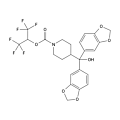
JZP-361 is a potent, reversible, and selective inhibitor of monoacylglycerol lipase (MAGL), exhibiting an IC50 of 46 nM. This compound demonstrates antihistaminergic activity and is suitable for applications in asthma research and studies related to endocannabinoid metabolism. Its specificity for MAGL makes it a valuable tool for investigating the role of endocannabinoids in various physiological processes.
Synonyms: Celastrol methyl ester
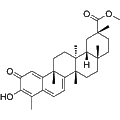
Pristimerin is a potent and reversible inhibitor of monoacylglycerol lipase (MGL), exhibiting an IC50 value of 93 nM. Its inhibition of MGL activity has been linked to potential therapeutic effects in pain management and inflammation. Pristimerin is valuable for research applications focused on the endocannabinoid system and lipid metabolism.
Synonyms: MAGL-IN-5
CAY10499 is a non-selective lipase inhibitor that targets monoacylglycerol lipase (MAGL) and fatty acid amide hydrolase (FAAH) with IC50 values of 144 nM and 14 nM, respectively. This compound demonstrates significant anti-inflammatory and antiviral properties, making it suitable for research applications in studying lipid metabolism, inflammation, and viral infections. Its dual inhibition profile offers potential insights into therapeutic interventions for related diseases.
SR-4559 is a selective ligand for α/β hydrolase domain-containing protein 5 (ABHD5). It activates adipose triglyceride lipase (ATGL) and promotes lipolysis by disrupting the interactions between ABHD5 and perilipin (PLIN) in adipocytes and muscle cells. This compound is applicable in research related to metabolic disorders, including Chanarin-Dorfman syndrome.
KT172 is a potent inhibitor of diacylglycerol lipase beta (DAGLβ), exhibiting an IC50 value of 11 nM. This compound is valuable for investigating its role in metabolic and inflammatory pathways. Its selective inhibition of DAGLβ makes it a useful tool for studying lipid metabolism and associated physiological processes.
DAGLβ-IN-1 is a selective inhibitor of diacylglycerol lipase-β (DAGLβ), which plays a critical role in the metabolism of diacylglycerol to monoacylglycerol. This compound is useful in research applications focused on modulating the endocannabinoid system and exploring the biological functions of DAGLβ. Additionally, DAGLβ-IN-1 serves as a valuable intermediate for the development of activity-based probes targeting DAGL activity.
DH-376 is a potent diacylglycerol lipase inhibitor, exhibiting pIC50 values of 8.6 for ABHD6 and 8.9 for DAGLα. This compound is effective in preventing fasting-induced refeeding in murine models. Additionally, DH-376 serves as a click chemistry reagent, featuring an alkyne group that enables copper-catalyzed azide-alkyne cycloaddition (CuAAc) with azide-containing molecules, facilitating diverse applications in chemical biology and bioconjugation.
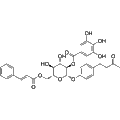
4-(4-Hydroxyphenyl)-2-butanone 4'-O-β-D-(2-O-galloyl-6-O-cinnamoyl)glucopyranoside acts as an inhibitor of pancreatic lipase, exhibiting an IC50 value of 2.91 μM. This compound significantly reduces lipid absorption and plays a role in the regulation of obesity-related metabolic disorders. Its properties make it a valuable tool for research focused on obesity and fat metabolism.
Out of stock
All 3 sizes
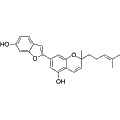
Morusalfuran G is a pancreatic lipase inhibitor, demonstrating an IC50 value of 0.76 μM against porcine pancreatic lipase. This compound effectively impedes pancreatic lipase activity, making it a valuable tool for investigating lipid metabolism. Morusalfuran G is particularly useful in research related to obesity and the modulation of adiposity.
Out of stock
All 3 sizes
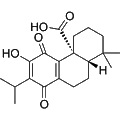
Royleanonic acid is an abietan-type diterpene that serves as a potent inhibitor of lipase, specifically porcine pancreatic lipase, with an IC50 value of 35 μg/mL. This compound is derived from the leaves of Salvia officinalis L. and has significant implications in research focused on metabolic disorders and obesity. Its ability to inhibit lipid metabolism makes it valuable for studies exploring therapeutic interventions in lipid-related diseases.
Out of stock
All 3 sizes
Synonyms: NNC0076-0079; 76-0079
Hi 76-0079 is a potent inhibitor of hormone-sensitive lipase (HSL), demonstrating significant inhibitory activity by blocking PNPB hydrolysis in HEK293A cell lysates overexpressing Lipe, with an IC50 of 0.1 μM. This compound effectively synergizes with the ATGL inhibitor Atglistatin to impede lipolysis in vitro. Hi 76-0079 serves as an important tool for investigating lipid metabolism and the regulation of lipolytic pathways in biochemical research.
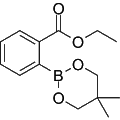
HSL-IN-3 is a potent inhibitor of hormone-sensitive lipase (HSL), a key enzyme involved in lipid metabolism. This boronic acid ester derivative effectively modulates lipolysis, making it valuable for studying metabolic disorders associated with dysregulated lipid breakdown. HSL-IN-3 is instrumental in research applications targeting obesity, diabetes, and associated cardiovascular diseases.
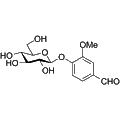
Glucovanillin is a naturally occurring compound recognized for its potential as a lipase inhibitor. It can be enzymatically converted to vanillin through processes involving cell wall degradation and hydrolysis of glucovanillin. This compound holds promise for research applications in lipid metabolism and obesity-related studies, providing insights into the regulation of lipase activity.
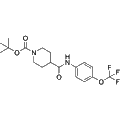
HSL-IN-5 is a selective inhibitor of hormone-sensitive lipase (HSL) with an IC50 value of 0.25 μM. This compound demonstrates significant biological activity in modulating lipid metabolism, making it a valuable tool for studying metabolic disorders, particularly diabetes. Researchers can utilize HSL-IN-5 to investigate the role of HSL in adipocyte function and related physiological processes.
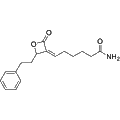
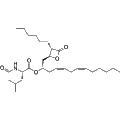
Lipstatin is a potent inhibitor of pancreatic lipase, with an IC50 value of 0.14 μM. This compound effectively reduces the absorption of triglycerides while sparing oleic acid absorption, making it a valuable tool in studies of lipid metabolism. Additionally, Lipstatin shows selectivity by not inhibiting other pancreatic enzymes, such as phospholipase A2 and trypsin, at concentrations below 200 μM, thus providing a specific reagent for research in obesity and metabolic disorders.
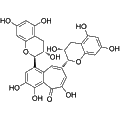
Neotheaflavin is a potent inhibitor of pancreatic lipase, derived from black tea. This compound demonstrates significant biological activity in modulating lipid metabolism, making it useful in research related to obesity and metabolic disorders. Its inhibitory effects on lipase provide valuable insights into fat digestion and absorption, contributing to studies on weight management and dietary impacts on health.
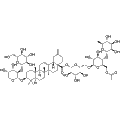
Acanthopanaxoside A is a triterpenoid saponin that acts as an inhibitor of pancreatic lipase. This compound exhibits the potential to regulate lipid metabolism by reducing the breakdown of triglycerides in the gastrointestinal tract. Its inhibitory effect on pancreatic lipase positions it as a valuable tool for studying obesity and related metabolic disorders in biochemical research.
MAGL-IN-222 is a covalent inhibitor that targets monoacylglycerol lipase (MAGL) with an IC50 of 42.31 μM. By inhibiting MAGL, MAGL-IN-222 effectively reduces the degradation of 2-arachidonoylglycerol (2-AG), leading to increased intracellular levels of 2-AG. This mechanism has demonstrated potential in inhibiting proliferation and migration of MDA-MB-231 breast cancer cells, making it a valuable reagent for research in breast cancer and related pathological conditions.
Out of stock
All 3 sizes
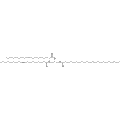
1,2-Dioleoyl-3-behenoylglycerol is a potent inhibitor of pancreatic lipase, a key enzyme involved in lipid digestion. By inhibiting this enzyme, 1,2-Dioleoyl-3-behenoylglycerol effectively reduces the absorption of dietary fats, thereby minimizing the accumulation of visceral fat and hepatic triacylglycerol (TAG). This compound is valuable for studies focused on obesity, metabolic syndrome, and lipid metabolism regulation.
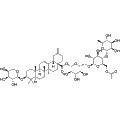
Ciwujianoside D2 is a natural saponin compound that acts as a pancreatic lipase activator. It enhances the enzymatic activity of pancreatic lipase in vitro, facilitating lipid digestion and metabolism. This compound can be utilized in research investigating obesity, metabolic disorders, and digestive enzyme regulation.
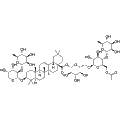
Ciwujianoside C4 is a saponin compound recognized for its activity as a pancreatic lipase activator. It enhances the enzymatic activity of pancreatic lipase in vitro, playing a crucial role in lipid metabolism. This compound is useful in research applications focused on understanding fat digestion and metabolic disorders related to lipid absorption.
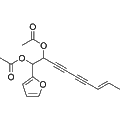
(1,5E,11E)-Tridecatriene-7,9-diyne-3,4-diacetate functions as a potent lipase inhibitor, exhibiting an IC50 value of 23.9 µg/mL. This compound, derived from the ethanol extract of Atractylodes lancea rhizome, demonstrates significant potential in antiobesity research applications. Its ability to inhibit lipase activity makes it a valuable tool for studying lipid metabolism and related disorders.