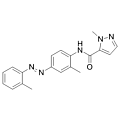
- Cat. No.
- A15436
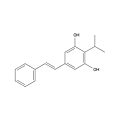
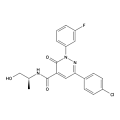
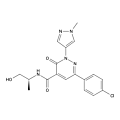
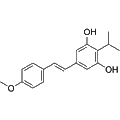
CH-223191
CH-223191 is a ligand-selective antagonist of the Ah (Dioxin) receptor.
Search by product name, CAS, target or catalog number. Press Down Arrow to reach product suggestions, Tab to move between links, and Escape to close suggestions.
Aryl hydrocarbon receptor (AhR) ligands act on a ligand-activated transcription factor of the bHLH-PAS family. Cloning of the receptor complementary DNA in 1992 showed that AhR combines a basic helix-loop-helix (bHLH) domain with a Per-Arnt-Sim (PAS) domain. The tryptophan metabolite kynurenine was later described as an endogenous agonist produced by tryptophan 2,3-dioxygenase. Antagonists of AhR were shown to support the expansion of human hematopoietic stem cells in culture, which made StemRegenin 1 a common tool in that work. CH-223191, ITE, tapinarof and L-Kynurenine complete a set that covers both receptor activation and blockade in reporter and gene expression assays.
CH-223191 is a ligand-selective antagonist of the Ah (Dioxin) receptor.
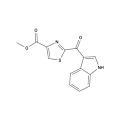
ITE is a potent endogenous agonist of aryl hydrocarbon receptor (AhR), binding directly to AHR, with a Ki of 3 nM. ITE also has immunosuppressive activity.
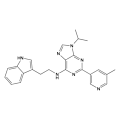
GNF351 is a full aryl hydrocarbon receptor (AHR) antagonist.
Synonyms: SR-1
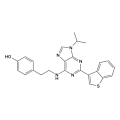
StemRegenin 1 (SR1) is a cell-permeable purine derivative that acts as an antagonist of aryl hydrocarbon receptor and promotes the self-renewal of hematopoietic stem cells (HSCs).
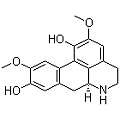
Synonyms: (+)-N-Norisoboldine; (+)-Laurelliptine; (S)-(+)-Laurelliptine
Norisoboldine, an alkaloid compound isolated from Radix Linderae, inhibits synovial angiogenesis in adjuvant-induced arthritis rats by moderating Notch1 pathway-related endothelial tip cell phenotype.
Synonyms: Benvitimod; WBI 1001; GSK2894512
Tapinarof (Benvitimod; WBI 1001; GSK2894512) is a natural aryl hydrocarbon receptor (AhR) agonist with an EC50 of 13 nM.
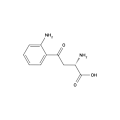
L-Kynurenine is a metabolite of the amino acid L-tryptophan. L-Kynurenine is an aryl hydrocarbon receptor agonist.
PDM2 is a selective, high-affinity aryl hydrocarbon receptor (AhR) antagonist with an Ki of 1.2±0.4 nM.
CAY 10465 is a selective and high-affinity AhR agonist, with a Ki of 0.2 nM, and shows no effect on estrogen receptor (Ki >100000 nM).
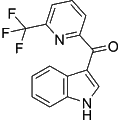
AHR antagonist 1 is an aryl hydrocarbon receptor (AHR) antagonist extracted from patent WO2017202816A1, example 23, has an IC50 of 39.9 nM in human cell line.
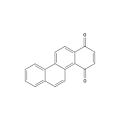
Synonyms: Chrysene-1,4-dione
1,4-Chrysenequinone, a polycyclic aromatic quinone, acts as an activator of aryl hydrocarbon receptor (AhR).
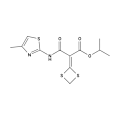
Synonyms: YH439
Mivotilate is a nontoxic, potent activator of the aryl hydrocarbon receptor (AhR), and acts as a hepatoprotective agent.
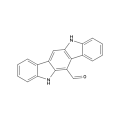
Synonyms: 6-Formylindolo[3,2-b]carbazole
FICZ is a potent aryl hydrocarbon receptor (AhR) agonist with a Kd of 70 pM.
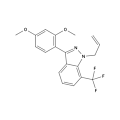
BAY 2416964 is a potent and orally active aryl hydrocarbon receptor (AHR) antagonist extracted from patent WO2018146010A1, example 192, has an IC50 of 341 nM. BAY 2416964 has the potential for solid tumors treatment.
SGA360 is a selective modulator of aryl hydrocarbon (Ah) receptor that exhibits anti-inflammatory properties.
Synonyms: 5-fluoro 203; 5F-203
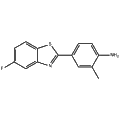
NSC-703786 (5F-203) is a cytotoxic molecule that forms DNA adducts leading to cell death. NSC-703786 induces aryl hydrocarbon receptor signaling, and elevates expression of CYP1A1. Treatment of cells with NSC-703786 also leads to elevation of reactive oxygen species and activation of p38, JNK and ERK.
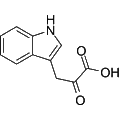
Indole-3-pyruvic acid is an orally active agonist of the aryl hydrocarbon receptor (AHR). This compound exhibits antioxidant properties and is valuable for research into inflammation and anxiety-related pathways. Its role as an AHR modulator makes it a significant tool for studying the physiological effects of this receptor in various biological contexts.
Synonyms: NSC-686288
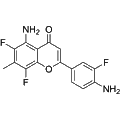
Aminoflavone is an activator of the aryl hydrocarbon receptor (AhR) with significant anti-tumor properties. It modulates the expression of ITGA6/SOX2 through the AhR-miR-125b-2-3p axis, effectively targeting breast cancer stem cells. This compound promotes the generation of reactive oxygen species (ROS) and elevates oxidative DNA damage, as indicated by increased levels of 8-oxodG and DNA-protein cross-links. Additionally, Aminoflavone induces S-phase cell cycle arrest, activates caspase pathways, and triggers apoptosis, while inhibiting HIF-1α expression independent of the AhR pathway. It serves as a valuable reagent for research into breast cancer mechanisms and therapies.
Out of stock
All 3 sizes
Synonyms: 5,6-Benzoflavone; beta-NF
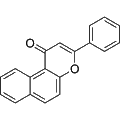
β-Naphthoflavone is a potent aryl hydrocarbon receptor (AHR) agonist that modulates various biological processes, including cell proliferation, differentiation, apoptosis, and metabolism. This compound exhibits antioxidant activity, primarily by enhancing the function of antioxidant enzymes. As a non-carcinogenic CYP1A inducer, β-Naphthoflavone is valuable for investigating the mechanisms underlying aristolochic acid-induced renal injury and other related research applications.
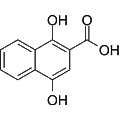
1,4-Dihydroxy-2-naphthoic acid is an agonist of the aryl hydrocarbon receptor (AhR). This compound exhibits significant anti-inflammatory activity and serves as a bacterially derived metabolite, making it of interest in studies related to immune modulation and inflammation. Its role in signaling pathways linked to AhR provides valuable insights for research in toxicology, pharmacology, and environmental health.
AHR Agonist 3 is a potent agonist of the aryl hydrocarbon receptor (AhR) that induces cell cycle arrest and apoptosis by activating tumor-suppressive transcriptional programs. It effectively inhibits the growth of stem cells in triple-negative breast cancer (TNBC) while demonstrating low cytotoxicity towards normal human primary cells. This compound is a valuable tool for cancer research, particularly in studies focused on TNBC and the mechanisms underlying AhR-mediated signaling pathways.
AHR Agonist 10 is a potent agonist of the aryl hydrocarbon receptor (AHR), exhibiting an EC50 of 2.01 nM. This compound significantly upregulates the expression of AHR downstream target genes, such as CYP1A1 and CYP1B1, while downregulating pro-inflammatory markers including CD36, IL-18, CCL5, CCL20, IL-6, and TNF-α. AHR Agonist 10 demonstrates low cytotoxicity (above 40 μM) in normal cells, making it suitable for use in psoriasis research and studies investigating AHR-dependent modulation of inflammatory responses.
Out of stock
All 3 sizes
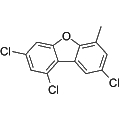
AhR Modulator-1 (6-MCDF) is a selective and orally active modulator of the aryl hydrocarbon receptor (AhR). This compound demonstrates significant inhibition of metastasis by reducing vascular endothelial growth factor (VEGF) production in prostatic tissues prior to tumor formation. Additionally, AhR Modulator-1 exhibits anti-estrogenic effects in the rat uterus, making it a valuable tool for investigating the roles of AhR in cancer biology and endocrine regulation.
Out of stock
All 3 sizes
PY109 is a highly selective aryl hydrocarbon receptor (AHR) agonist that exhibits oral bioactivity. It demonstrates potent efficacy with EC50 values of 1.2 nM in human HepG2 cells and 1.4 nM in mouse Hepa-1c1c7 cells. PY109 significantly enhances the expression of CYP1A1 and interleukin-22 (IL-22), while inhibiting interleukin-17A (IL-17A) expression. This compound has been shown to effectively improve colitis in murine models, making it a valuable tool for research focused on inflammatory bowel diseases.
Out of stock
All 3 sizes
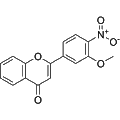
Synonyms: MNF
3'-Methoxy-4'-nitroflavone is a specific antagonist of the aryl hydrocarbon receptor (AhR). This compound inhibits the metabolism of the endogenous ligand FICZ by blocking CYP1, thereby increasing FICZ accumulation. It effectively reverses the anti-apoptotic effects of TCDD and attenuates the activation of Akt and Erk1/2 kinases, as well as TGFα expression induced by TCDD. 3'-Methoxy-4'-nitroflavone is valuable for research into breast tumor promotion, rheumatoid arthritis, multiple sclerosis, and inflammatory bowel disease.