Cholesterol & Lipoprotein Metabolism

Cholesterol and lipoprotein metabolism compounds target sterol synthesis and lipoprotein handling. Cholesterol is built through the mevalonate pathway, which also yields farnesyl and geranylgeranyl pyrophosphate for protein prenylation. Lapaquistat acetate and L-731120 inhibit squalene synthase, the branch point that commits farnesyl pyrophosphate to sterol synthesis. NE 10790 acts on farnesyl pyrophosphate synthase (FPPS), while hGGPPS-IN-1 blocks human geranylgeranyl pyrophosphate synthase. Intracellular sterol transport is addressed by Y18501, an inhibitor of oxysterol-binding protein (OSBP). Pelacarsen sodium is an antisense oligonucleotide directed against apolipoprotein(a), the protein that distinguishes lipoprotein(a) from low-density lipoprotein particles.

Items 26-50 of 63

  • Solbinsiran sodium
    Cat. No.
    A69521

    Solbinsiran sodium

    Synonyms: LY3561774 sodium

    Solbinsiran sodium is a small interfering RNA (siRNA) designed to inhibit the production of angiopoietin-like protein 3 (ANGPTL3) in hepatic tissues. By silencing ANGPTL3 expression, it plays a crucial role in lipid metabolism and is being investigated for its potential therapeutic applications in dyslipidemia and cardiovascular diseases. This reagent serves as a valuable tool for studying the impact of ANGPTL3 modulation on lipid profiles and associated metabolic disorders.

    Out of stock

    All 3 sizes

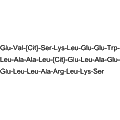
  • Solbinsiran
    Cat. No.
    A69525

    Solbinsiran

    Synonyms: LY3561774

    Solbinsiran is a small interfering RNA (siRNA) that specifically targets and inhibits angiopoietin-like 3 (ANGPTL3), a key regulator of lipid metabolism. By silencing ANGPTL3, Solbinsiran effectively reduces lipid levels and has significant potential in the treatment of dyslipidemia and metabolic disorders. This reagent is intended for research applications focused on lipid regulation and cardiovascular health.

    Out of stock

    All 3 sizes
  • CS-6253
    Cat. No.
    A69529

    CS-6253

    CS-6253 is an ABCA1 agonist that regulates lipoprotein metabolism and promotes the biogenesis of high-density lipoprotein (HDL), facilitating cellular cholesterol efflux. This compound also exhibits neuroprotective properties and aids in the clearance of amyloid-beta (Aβ) from the brain. CS-6253 is suitable for research focused on cholesterol metabolism and associated conditions, including Alzheimer's disease.

    5 mg
    $170.00
    10 mg
    $275.00
    All 2 sizes
  • APOL1-IN-1
    Cat. No.
    A69541

    APOL1-IN-1

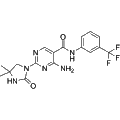
    APOL1-IN-1 is an apolipoprotein L1 (APOL1) inhibitor, targeting the modulation of APOL1 activity. This compound has demonstrated potential in scientific investigations focused on focal segmental glomerulosclerosis (FSGS) and non-diabetic kidney disease (NDKD). By inhibiting APOL1, it may help elucidate the mechanisms underlying these kidney disorders, providing valuable insights for therapeutic development.

    1 mg
    $75.00
    5 mg
    $205.00
    All 6 sizes
  • APOL1-IN-3
    Cat. No.
    A69543

    APOL1-IN-3

    APOL1-IN-3 is an inhibitor of the apolipoprotein L1 (APOL1) protein. This compound is crucial for studying the role of APOL1 in kidney diseases, particularly those linked to genetic variants. It provides a valuable tool for researchers investigating the therapeutic potential for conditions influenced by APOL1 activity.

    Out of stock

    All 3 sizes
  • APOL1-IN-2
    Cat. No.
    A69546

    APOL1-IN-2

    APOL1-IN-2 is a potent inhibitor of Apolipoprotein L1 (APOL1). It effectively mitigates APOL1 G2/G1-induced cytotoxicity in HEK293 cells with EC50 values of 4.74 nM and 14.3 nM, demonstrating its capacity to protect against cell death. Additionally, APOL1-IN-2 exhibits pronounced efficacy against APOL1 G2/G1/G0-mediated lethality in trypanosomes, with EC50 values of 2.24 nM, 6.03 nM, and 3.72 nM, making it a valuable tool for studying APOL1's role in various biological contexts and potential therapeutic applications.

    Out of stock

    All 3 sizes
  • ABCA1 inducer 1
    Cat. No.
    A69547

    ABCA1 inducer 1

    ABCA1 Inducer 1 is a potent inducer of the ATP-binding cassette transporter A1 (ABCA1). It effectively increases ABCA1 expression and enhances the lipidation of apolipoprotein E (APOE), contributing to the reversal of multiple Alzheimer's disease phenotypes. Notably, this compound operates without elevating triglyceride levels in E3/4FAD mice expressing human APOE 3/4, making it a valuable tool for research into Alzheimer’s disease and lipid metabolism.

    25 mg
    $1,275.00
    50 mg
    $1,625.00
    All 3 sizes
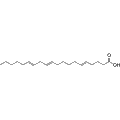
  • 5(Z),11(Z),14(Z)-Eicosatrienoic acid
    Cat. No.
    A69549

    5(Z),11(Z),14(Z)-Eicosatrienoic acid

    Synonyms: Sciadonic acid

    5(Z),11(Z),14(Z)-Eicosatrienoic acid, also known as Sciadonic acid, acts as an apolipoprotein inhibitor. This polyunsaturated fatty acid, derived from maritime pine seed oil and certain gymnospermae, has demonstrated the ability to lower high-density lipoprotein and ApoA1 levels in transgenic mice models. In vitro studies reveal its role in reducing cholesterol efflux, while its methyl ester form exhibits anti-inflammatory properties through the displacement of arachidonic acid from phospholipid pools, subsequently decreasing levels of inflammatory mediators such as prostaglandin E2 and leukotrienes. This compound holds potential for research in lipid metabolism and inflammatory response modulation.

    0.1 mg
    $160.00
    0.5 mg
    $455.00
    All 3 sizes
  • Tiqueside
    Cat. No.
    A69627

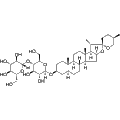
    Tiqueside

    Synonyms: CP‐88,818; β‐Tigogenin cellobioside

    Tiqueside (CP-88,818) is an orally active cholesterol absorption inhibitor targeting dietary and endogenous cholesterol absorption in the intestine. By blocking the uptake of cholesterol, Tiqueside plays a significant role in research related to hypercholesterolemia. Its mechanism of action aids in studies aimed at understanding cholesterol metabolism and developing therapies for cholesterol-related disorders.

    Out of stock

    All 3 sizes
  • Canosimibe
    Cat. No.
    A69638

    Canosimibe

    Synonyms: AVE-5530; BART-1741

    Canosimibe is a cholesterol absorption inhibitor that selectively targets and modulates intestinal cholesterol uptake. This compound has demonstrated the ability to reduce cholesterol levels, making it a valuable reagent in studies focused on lipid metabolism and cardiovascular health. Canosimibe is utilized in research applications related to hyperlipidemia and the exploration of therapeutic strategies for atherosclerosis.

    25 mg
    $2,790.00
    50 mg
    $3,590.00
    All 3 sizes
  • MM0299
    Cat. No.
    A69686

    MM0299

    MM0299 is a potent inhibitor of lanosterol synthase (LSS), exhibiting an IC50 of 2.2 μM. It effectively inhibits the proliferation of Mut6 cells with an IC50 of 0.0182 μM by promoting the formation of 24(S),25-epoxycholesterol (EPC) and depleting cellular cholesterol levels. This compound is valuable for research exploring cholesterol metabolism and its implications in related diseases.

    2 mg
    $25.00
    5 mg
    $40.00
    All 6 sizes
  • Dihydrolanosterol
    Cat. No.
    A69705

    Dihydrolanosterol

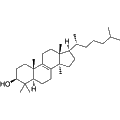
    Dihydrolanosterol acts as a substrate for CYP51 and functions as a cholesterol biosynthesis inhibitor. By interfering with the production of cholesterol, it is valuable for research into cholesterol-related pathways and potential therapeutic targets for diseases associated with cholesterol dysregulation. This compound is important for studies investigating lipid metabolism and the role of sterols in cellular functions.

    1 mg
    $30.00
    5 mg
    $65.00
    All 7 sizes
  • Ezetimibe phenoxy glucuronide
    Cat. No.
    A70101

    Ezetimibe phenoxy glucuronide

    Synonyms: Ezetimibe glucuronide; Ezetimibe β-D-glucuronide

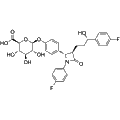
    Ezetimibe phenoxy glucuronide is the active metabolite of Ezetimibe, functioning primarily as a cholesterol absorption inhibitor. It exhibits antihyperlipoproteinemic activity and plays a critical role in the regulation of lipid profiles. This compound is widely utilized in research settings to study cholesterol metabolism and the pharmacological modulation of lipid disorders.

    1 mg
    $210.00
    5 mg
    $655.00
    All 3 sizes
  • AY 9944
    Cat. No.
    A71098

    AY 9944

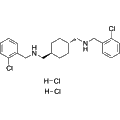
    AY 9944 is a potent inhibitor of the enzyme 7-dehydrocholesterol Δ7-reductase (DHCR7), demonstrating an IC50 value of 13 nM. This compound effectively disrupts cholesterol biosynthesis, leading to hypocholesterolemia and subsequent accumulation of 7-dehydrocholesterol (7DHC). At elevated concentrations, AY 9944 also inhibits sterol Δ7-Δ8 isomerase in cultured embryos, resulting in the accumulation of cholest-8-en-3β-ol. This compound is valuable for research into cholesterol metabolism and related disorders.

    1 mg
    $30.00
    2 mg
    $40.00
    All 7 sizes
  • 1-(2,3-Dichlorphenyl)piperazine
    Cat. No.
    A71800

    1-(2,3-Dichlorphenyl)piperazine

    1-(2,3-Dichlorphenyl)piperazine is a selective inhibitor of DHCR7, a key enzyme involved in cholesterol biosynthesis. This compound is utilized in biological research to investigate the cholesterol biosynthetic pathway and its implications in various diseases associated with cholesterol metabolism. Its role in modulating cholesterol levels makes it significant for studies aimed at understanding the mechanisms underlying cholesterol-related disorders.

    1 g
    $20.00
    5 g
    $50.00
    All 3 sizes
  • 1-(2,3-Dichlorphenyl)piperazine hydrochloride
    Cat. No.
    A72061

    1-(2,3-Dichlorphenyl)piperazine hydrochloride

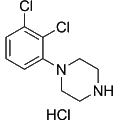
    1-(2,3-Dichlorphenyl)piperazine hydrochloride is a potent inhibitor of DHCR7, which plays a crucial role in cholesterol biosynthesis. This compound is utilized in biological research to investigate the cholesterol biosynthesis pathway and its implications in various diseases associated with lipid metabolism. Its application is significant for advancing the understanding of conditions linked to dysregulated cholesterol levels.

    1 g
    $20.00
    50 g
    $25.00
    All 3 sizes
  • Decarestrictin B
    Cat. No.
    A74277

    Decarestrictin B

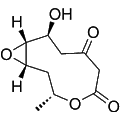
    Decarestrictin B is a decanolactone that inhibits cholesterol biosynthesis. Isolated from Penicillium strains, Decarestrictin B demonstrates significant biological activity in modulating lipid metabolism. This compound is utilized in research applications focused on understanding cholesterol regulation and its implications in metabolic disorders.

    Out of stock

    All 3 sizes
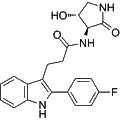
  • Decarestrictin M
    Cat. No.
    A74294

    Decarestrictin M

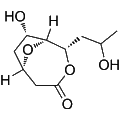
    Decarestrictin M is a decanolactone that functions as an inhibitor of cholesterol biosynthesis. Isolated from Penicillium strains, it demonstrates significant bioactivity in disrupting cholesterol production pathways. This compound is valuable for research applications focused on lipid metabolism and the development of therapeutic strategies against cholesterol-related disorders.

    Out of stock

    All 3 sizes
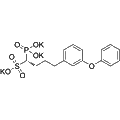
  • Squalene synthase-IN-3 tripotassium
    Cat. No.
    A74792

    Squalene synthase-IN-3 tripotassium

    Squalene synthase-IN-3 tripotassium is a potent inhibitor of squalene synthase, a key enzyme in the cholesterol biosynthetic pathway. By selectively blocking this enzyme, it exhibits significant potential in studies related to lipid metabolism and cholesterol homeostasis. This compound is valuable for research applications focused on cardiovascular diseases, metabolic disorders, and the role of squalene in cellular processes.

    25 mg
    $1,275.00
    50 mg
    $1,625.00
    All 3 sizes
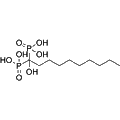
  • BPH252
    Cat. No.
    A74798

    BPH252

    BPH252 is a selective inhibitor of geranylgeranyl diphosphate synthase (GGPP synthase). It demonstrates significant bioactivity in modulating the mevalonate pathway, making it a valuable tool for investigating bisphosphonate-based anticancer therapies. This compound is suitable for research focused on understanding the mechanisms and efficacy of anticancer treatments targeting GGPP.

    Out of stock

    All 3 sizes
  • RPR107393
    Cat. No.
    A74799

    RPR107393

    RPR107393 is a potent and selective inhibitor of squalene synthase (SQS) that functions by blocking the enzyme's activity, demonstrated by an IC50 of 0.8 nM against rat liver microsomal SQS. This compound effectively reduces triglyceride biosynthesis by inhibiting fatty acid synthesis through an increase in intracellular farnesol and its derivatives. RPR107393 has been shown to lower plasma cholesterol levels in both rats and marmosets, making it a valuable tool for research in metabolic diseases, including hypercholesterolemia, hypertriglyceridemia, and atherosclerosis.

    Out of stock

    All 3 sizes
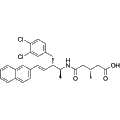
  • J-104123
    Cat. No.
    A74802

    J-104123

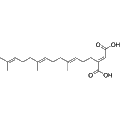
    J-104123 is a potent inhibitor of squalene synthase, featuring a monocarboxylic acid structure. This compound has demonstrated the ability to reduce serum cholesterol levels in canine models, making it a valuable tool in cholesterol metabolism research and the study of lipid biosynthesis pathways. Its application is relevant for exploring novel therapeutic strategies for hyperlipidemia and related cardiovascular conditions.

    25 mg
    $1,275.00
    All 1 sizes
  • Schizostatin
    Cat. No.
    A74807

    Schizostatin

    Schizostatin is a potent inhibitor of squalene synthase, exhibiting an IC50 of 0.84 μM. This compound plays a critical role in the regulation of cholesterol biosynthesis and has significant implications for research in lipid metabolism and related diseases. Schizostatin is a valuable tool for investigating the biochemical pathways associated with squalene synthesis and exploring potential therapeutic targets in dyslipidemia and other metabolic disorders.

    Out of stock

    All 3 sizes
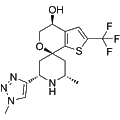
  • Zaragozic acid D2
    Cat. No.
    A74817

    Zaragozic acid D2

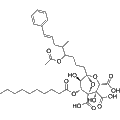
    Zaragozic acid D2 is a potent inhibitor of squalene synthase and Ras farnesyl-protein transferase (Ras FPTase), exhibiting IC50 values of 2 nM and 100 nM, respectively. This compound has demonstrated potential in addressing hypercholesterolemia and inhibiting Ras-induced tumorigenesis. It serves as a valuable tool in biochemical research aimed at understanding lipid metabolism and cancer pathways.

    Out of stock

    All 3 sizes
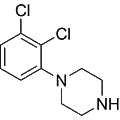
  • Imanixil
    Cat. No.
    A75849

    Imanixil

    Synonyms: HOE-402(free base)

    Imanixil is an orally active inducer of the low-density lipoprotein receptor (LDLR). It effectively reduces cholesterol levels by inhibiting very low-density lipoprotein (VLDL) lipid production, demonstrating potential in delaying the progression of atherosclerosis. This compound is valuable for research in the field of cardiovascular diseases, particularly atherosclerosis.

    1 mg
    $145.00
    5 mg
    $365.00
    All 6 sizes

Items 26-50 of 63

Added to your cart

View Cart Checkout

    Loading...