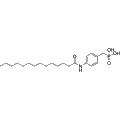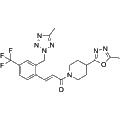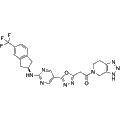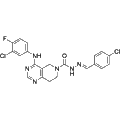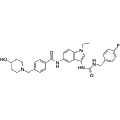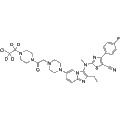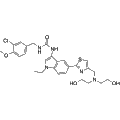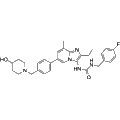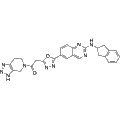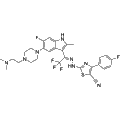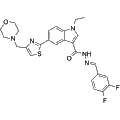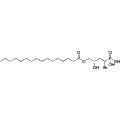
Autotaxin (ENPP2)

Autotaxin inhibitors act on the secreted enzyme that produces the lipid mediator lysophosphatidic acid (LPA). Autotaxin, also called ectonucleotide pyrophosphatase/phosphodiesterase 2 (ENPP2), is a lysophospholipase D that releases LPA from lysophosphatidylcholine. LPA signals through G protein-coupled receptors to regulate cell proliferation, migration and survival. Autotaxin has therefore been studied in cancer cell motility, fibrosis and inflammation. In mouse models, autotaxin expression in the lung contributes to the development of pulmonary fibrosis. Compounds in this category include PF-8380, HA130, PAT-505 and Autotaxin-IN-1, for studies of the autotaxin-LPA axis.

Items 26-50 of 54

  • ATX inhibitor 16
    Cat. No.
    A41960

    ATX inhibitor 16

    ATX Inhibitor 16 is a highly effective inhibitor of autotoxin (ATX) with an IC50 value of 0.0021 μM. This compound demonstrates significant anti-proliferative effects, particularly in breast cancer cell lines. It serves as a valuable tool for researchers investigating the role of ATX in cancer biology and potential therapeutic strategies.

    25 mg
    $1,275.00
    50 mg
    $1,625.00
    All 3 sizes
  • S32826
    Cat. No.
    A41974

    S32826

    S32826 is a potent inhibitor of autotaxin, exhibiting an IC50 of 8.8 nM. This compound effectively targets various autotaxin isoforms, including α, β, and γ, demonstrating similar inhibitory effects across these forms. S32826 also plays a significant role in inhibiting lysophosphatidic acid (LPA) release from adipocytes, making it valuable for studies related to lipid signaling and metabolic research.

    1 mg
    $110.00
    5 mg
    $350.00
    All 3 sizes
  • ATX inhibitor 7
    Cat. No.
    A41975

    ATX inhibitor 7

    ATX inhibitor 7 is a selective inhibitor of autotaxin, a lysophospholipase that catalyzes the production of lysophosphatidic acid (LPA) from lysophosphatidylcholine. This compound demonstrates significant oral bioavailability, making it a valuable tool for investigations into the role of LPA signaling in various physiological and pathological processes. ATX inhibitor 7 is suitable for research applications related to cancer, fibrosis, and neurodegenerative diseases, where modulation of autotaxin activity may offer therapeutic benefits.

    5 mg
    $795.00
    All 1 sizes
  • ATX inhibitor 10
    Cat. No.
    A41995

    ATX inhibitor 10

    ATX Inhibitor 10 is a potent inhibitor of autotaxin (ATX), a critical enzyme involved in the regulation of lysophosphatidic acid (LPA) signaling. This compound is a nitrogen-containing heterocyclic molecule that may provide new avenues for research into ATX-related pathologies, including fibrosis, arthritis, neurodegeneration, neuropathic pain, and cancer. Its selective inhibition of ATX activity makes it a valuable tool for studying the therapeutic potential in various disorders associated with dysregulated LPA signaling.

    25 mg
    $1,275.00
    50 mg
    $1,625.00
    All 3 sizes
  • ATX inhibitor 18
    Cat. No.
    A41997

    ATX inhibitor 18

    ATX Inhibitor 18 is a potent inhibitor of autotaxin (ATX), exhibiting an IC50 value of 24.2 nM. This compound demonstrates significant antiproliferative and anti-fibrotic activities, effectively suppressing collagen deposition in TGF-β-mediated cardiac fibrosis. ATX Inhibitor 18 is valuable for research applications focused on fibrosis and related cardiovascular diseases.

    Out of stock

    All 3 sizes
  • ATX inhibitor 20
    Cat. No.
    A42015

    ATX inhibitor 20

    ATX Inhibitor 20 is a potent inhibitor of autotaxin (ATX) with an IC50 value of 2.3 nM. This compound effectively modulates lysophosphatidic acid (LPA) signaling pathways, making it instrumental in research investigating cellular processes related to cancer, fibrosis, and neurodegenerative diseases. Its high potency and specificity allow for detailed investigations in drug discovery and therapeutic development targeting ATX-related pathways.

    25 mg
    $1,275.00
    50 mg
    $1,625.00
    All 3 sizes
  • ATX-1905
    Cat. No.
    A42016

    ATX-1905

    ATX-1905 is a positron emission tomography (PET) tracer characterized by its high binding specificity for autotaxin (ATX). This reagent allows for the semi-quantification of lung ATX expression levels, which are increased in fibrotic tissues. Notably, ATX-1905 shows enhanced uptake in bleomycin-induced pulmonary fibrosis models. Its utility makes ATX-1905 a valuable tool for investigating idiopathic pulmonary fibrosis (IPF) and related pulmonary fibrotic conditions.

    Out of stock

    All 3 sizes
  • ATX inhibitor 15
    Cat. No.
    A42022

    ATX inhibitor 15

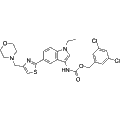
    ATX Inhibitor 15 is a potent inhibitor of autotaxin (ATX), featuring an indole-based carbamate structure with an IC50 of 2.17 nM. This compound effectively inhibits ATX activity in vivo and reduces the expression of pro-fibrotic factors. ATX Inhibitor 15 demonstrates protective effects on lung tissue in a bleomycin-induced fibrosis model, making it a valuable tool for research into fibrotic diseases and pulmonary health.

    25 mg
    $1,275.00
    50 mg
    $1,625.00
    All 3 sizes
  • ATX inhibitor 12
    Cat. No.
    A42028

    ATX inhibitor 12

    ATX inhibitor 12 is a potent autotaxin (ATX) inhibitor, exhibiting an IC50 of 1.72 nM. This compound has demonstrated efficacy in reducing lung structural damage and minimizing fibrotic lesions in C57Bl/6J mice at an oral dose of 60 mg/kg. ATX inhibitor 12 is suitable for research applications related to idiopathic pulmonary fibrosis (IPF), facilitating studies on therapeutic strategies for this condition.

    Out of stock

    All 3 sizes
  • MHC02181
    Cat. No.
    A42032

    MHC02181

    MHC02181 is a potent inhibitor of Autotaxin (ATX), demonstrating an IC50 value of 9.41 μM. By inhibiting ATX, it plays a critical role in modulating lysophosphatidic acid (LPA) production, which is involved in various physiological and pathological processes. This reagent is valuable for research applications focused on cancer progression, fibrosis, and other ATX-mediated diseases.

    Out of stock

    All 3 sizes
  • ATX inhibitor 25
    Cat. No.
    A42034

    ATX inhibitor 25

    ATX Inhibitor 25 is a potent autotaxin inhibitor, demonstrating an IC50 of 1.08 nM. This compound exhibits high metabolic stability in vitro, with a half-life exceeding 170 minutes. In preclinical studies, ATX Inhibitor 25 has been shown to exert anti-fibrotic effects in a bleomycin-induced pulmonary fibrosis mouse model, highlighting its potential for therapeutic applications in fibrotic diseases.

    Out of stock

    All 3 sizes
  • ATX inhibitor 19
    Cat. No.
    A42046

    ATX inhibitor 19

    ATX inhibitor 19 is a selective inhibitor of autotaxin (ATX) with an IC50 value of 156 nM. This compound effectively modulates lysophosphatidic acid (LPA) signaling, demonstrating significant biological activity in various cellular contexts. It is primarily utilized in research applications focused on cancer progression, inflammation, and other conditions associated with aberrant LPA pathways.

    25 mg
    $1,275.00
    50 mg
    $1,625.00
    All 3 sizes
  • PAT-347 sodium
    Cat. No.
    A42048

    PAT-347 sodium

    PAT-347 sodium is a selective inhibitor of Autotaxin (ATX), an enzyme that hydrolyzes lysophosphatidylcholine (LPC) and regulates the production of lysophosphatidic acid (LPA) in the bloodstream. By targeting ATX, PAT-347 sodium is instrumental in research focused on modulating LPA signaling pathways, which are implicated in various pathological conditions such as cancer, inflammation, and fibrosis. This compound serves as a valuable tool for understanding the role of lysophospholipids in cellular processes and disease mechanisms.

    Out of stock

    All 3 sizes
  • ATX inhibitor 14
    Cat. No.
    A42052

    ATX inhibitor 14

    ATX Inhibitor 14 is a potent autotaxin (ATX) inhibitor, displaying an IC50 value of 0.41 nM. This indole-based carbamate derivative demonstrates significant inhibitory activity, making it a valuable tool for research into conditions related to fibrosis. Its selective modulation of ATX activity may aid in elucidating the role of this enzyme in fibrosis-related diseases.

    25 mg
    $1,275.00
    50 mg
    $1,625.00
    All 3 sizes
  • ATX inhibitor 8
    Cat. No.
    A42056

    ATX inhibitor 8

    ATX Inhibitor 8 is a selective inhibitor of Autotaxin (ATX), which plays a crucial role in the synthesis of lysophosphatidic acid (LPA). This compound exhibits significant biological activity by modulating ATX-mediated pathways, making it a valuable tool for research into cancer metastasis, fibrosis, and neurodegenerative disorders. Its targeted inhibition of ATX may provide insights into therapeutic strategies for diseases associated with elevated LPA levels.

    25 mg
    $1,275.00
    50 mg
    $1,625.00
    All 3 sizes
  • ATX inhibitor 27
    Cat. No.
    A42079

    ATX inhibitor 27

    ATX Inhibitor 27 is a potent inhibitor of autotaxin (ATX) with an IC50 of 13 nM against human ATX and 23 nM against lysophosphatidylcholine (LPC). By effectively reducing lysophosphatidic acid (LPA) levels in vivo, ATX Inhibitor 27 serves as a valuable tool in researching ATX-LPA-related diseases, including inflammation, neurodegenerative disorders, and cancer. This compound is useful for studies aimed at understanding the role of ATX in various pathological conditions.

    Out of stock

    All 3 sizes
  • PAT-078
    Cat. No.
    A42097

    PAT-078

    PAT-078 is a type II autotaxin (ATX) inhibitor that effectively occupies the hydrophobic pocket of ATX. By obstructing the bottleneck region between the hydrophobic channel and the catalytic site, PAT-078 inhibits ATX activity without binding to the zinc ion at the catalytic site. This compound is valuable for research exploring the roles of ATX in various biological processes and disease states, making it a significant tool for investigating therapeutic interventions.

    Out of stock

    All 3 sizes
  • Autotaxin-IN-5
    Cat. No.
    A42112

    Autotaxin-IN-5

    Autotaxin-IN-5 is a potent inhibitor of autotaxin, primarily targeting phosphodiesterase (PDE) pathways. This compound demonstrates significant biological activity in modulating fibrosis-related processes, making it a valuable candidate for research in idiopathic pulmonary fibrosis. Its application in preclinical studies could provide insights into therapeutic approaches for lung fibrosis and related disorders.

    25 mg
    $1,780.00
    50 mg
    $2,280.00
    All 3 sizes
  • MHC00188
    Cat. No.
    A42132

    MHC00188

    MHC00188 is an allosteric inhibitor of Autotaxin (ATX) with an IC50 of 2.53 μM. This compound modulates ATX activity, which plays a critical role in the production of lysophosphatidic acid (LPA), a signaling lipid involved in various physiological processes. MHC00188 is useful for research into cancer biology, inflammation, and other conditions related to aberrant LPA signaling.

    Out of stock

    All 3 sizes
  • ATX-IN-2
    Cat. No.
    A42134

    ATX-IN-2

    ATX-IN-2 is a potent and orally active inhibitor of autotaxin (ATX) with an IC50 value of 3.27 nM. It effectively reduces the secretion of lysophosphatidic acid (LPA), making it a valuable tool for studying ATX-mediated diseases. Its applications include research into inflammation and pulmonary fibrosis, providing insights into potential therapeutic strategies targeting these conditions.

    Out of stock

    All 3 sizes
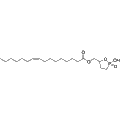
  • Palmitoleoyl 3-carbacyclic phosphatidic acid
    Cat. No.
    A42144

    Palmitoleoyl 3-carbacyclic phosphatidic acid

    Palmitoleoyl 3-carbacyclic phosphatidic acid is an autotaxin (ATX) inhibitor with a moderate potency, exhibiting an IC50 of 620 nM. This compound is primarily utilized in research focused on melanoma, providing insights into the role of autotaxin in cancer progression and metastasis. Its inhibition of ATX activity may offer significant implications for therapeutic strategies targeting tumor microenvironments.

    Out of stock

    All 3 sizes
  • ATX inhibitor 9
    Cat. No.
    A42145

    ATX inhibitor 9

    ATX Inhibitor 9 is a selective inhibitor of autotaxin (ATX), an enzyme implicated in cancer progression and fibrotic diseases. This compound, characterized by its thickened heteroaryl structure, demonstrates significant potential for reducing levels of lysophosphatidic acid, a signaling lipid associated with tumorigenesis and fibrosis. ATX Inhibitor 9 is suitable for research applications exploring cancer biology and fibrotic degenerative conditions.

    25 mg
    $1,275.00
    50 mg
    $1,625.00
    All 3 sizes
  • ATX inhibitor 17
    Cat. No.
    A42164

    ATX inhibitor 17

    ATX Inhibitor 17 is a potent inhibitor of autotaxin (ATX) with an IC50 of 0.019 μM. This compound exhibits significant anti-proliferative activity in breast cancer cell lines, making it a valuable tool for investigating the role of ATX in cancer biology. Its application may extend to studying the pathophysiological effects of lysophosphatidic acid signaling in various cancer models.

    25 mg
    $1,655.00
    50 mg
    $2,115.00
    All 3 sizes
  • ATX inhibitor 21
    Cat. No.
    A42167

    ATX inhibitor 21

    ATX Inhibitor 21 is a selective inhibitor of autotaxin (ATX), demonstrating an IC50 value of 3490 nM. This compound effectively modulates lysophosphatidate (LPA) production, making it instrumental in research applications focused on cancer, fibrosis, and inflammation. Its inhibitory effects on ATX activity provide a valuable tool for elucidating the role of the LPA signaling pathway in various biological processes.

    25 mg
    $1,275.00
    50 mg
    $1,625.00
    All 3 sizes
  • BrP-LPA
    Cat. No.
    A42183

    BrP-LPA

    BrP-LPA is a potent lysophosphatidic acid (LPA) antagonist and autotoxin (ATX) inhibitor. It exhibits broad-spectrum antagonism against LPA receptors LPA1-4, resulting in decreased blood vessel density and reduced anxiety-like behaviors. Additionally, BrP-LPA demonstrates significant anticancer activity, effectively inhibiting cell proliferation in breast, colon, and lung cancer models. This compound is valuable for research focused on cancer biology and vasculature modulation.

    Out of stock

    All 3 sizes

Items 26-50 of 54

Added to your cart

View Cart Checkout

    Loading...