- Cat. No.
- A11989
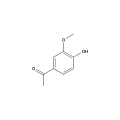
Apocynin (Acetovanillone)
Synonyms: Acetovanillone
Apocynin is a NADPH oxidase inhibitor
Search by product name, CAS, target or catalog number. Press Down Arrow to reach product suggestions, Tab to move between links, and Escape to close suggestions.
NADPH oxidase (NOX) inhibitors block enzymes whose main role is to produce reactive oxygen species (ROS). These membrane enzymes move electrons from nicotinamide adenine dinucleotide phosphate (NADPH) to oxygen, forming superoxide or hydrogen peroxide. The human family has seven members, NOX1 to NOX5 and dual oxidases 1 and 2 (DUOX1, DUOX2), which differ in tissue distribution and partner subunits. NOX2 is the phagocyte oxidase that supplies superoxide for microbial killing by neutrophils. Isoform-directed tools include ML 171 for NOX1, GSK2795039 for NOX2 and GLX351322 for NOX4, while GKT137831 inhibits both NOX1 and NOX4. Apocynin and diphenyleneiodonium chloride are older, broadly acting inhibitors, and diphenyleneiodonium also blocks flavoenzymes such as nitric oxide synthases.
Synonyms: Acetovanillone
Apocynin is a NADPH oxidase inhibitor
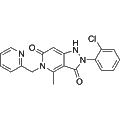
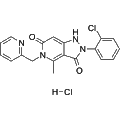
GKT137831 is a first in class inhibitor targeting NOX1 and NOX4 enzymes.
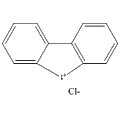
Synonyms: Dibenziodolium chloride; DPI Chloride
Diphenyleneiodonium chloride has been shown to be a potent irreversible inhibitor of NOS2 (iNOS) from macrophages and NOS3 (eNOS) from endothelial cells.
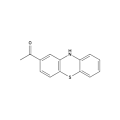
ML171 (2-Acetylphenothiazine;2-APT) is a potent and selective NADPH oxidase 1 (Nox1) inhibitor that blocks Nox1-dependent ROS generation, with an IC50 of 0.25 μM in HEK293-Nox1 confirmatory assay.
APX-115 (Ewha-18278) is a potent, orally active pan NADPH oxidase (Nox) inhibitor with Ki values of 1.08 μM, 0.57 μM, and 0.63 μM for Nox1, Nox2 and Nox4, respectively. APX-115 effectively prevents kidney injury.
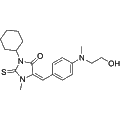
GLX351322 is an inhibitor of NADPH oxidase 4 (Nox4), and inhibits hydrogen peroxide production from NOX4-overexpressing cells with an IC50 of 5 μM.
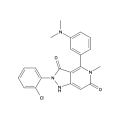
GSK2795039 is a NADPH oxidase 2 (NOX2) inhibitor with a mean pIC50 of 6 in different cell-free assays. GSK2795039 inhibits reactive oxygen species (ROS) production and NADPH consumption. GSK2795039 reduces apoptosis.
Synonyms: Ewha-18278 free base
APX-115 free base (Ewha-18278 free base) is a potent, orally active pan NADPH oxidase (Nox) inhibitor with Ki values of 1.08 μM, 0.57 μM, and 0.63 μM for Nox1, Nox2 and Nox4, respectively.
VAS 3947 is a selective inhibitor of NADPH oxidase (NOX), demonstrating significant antiplatelet activity. In addition to its role as an NOX inhibitor, VAS 3947 induces apoptosis through the activation of the unfolded protein response (UPR), primarily driven by protein aggregation and misfolding. This compound is valuable for research focused on oxidative stress and its implications in cardiovascular diseases.
GLX481372 is a NADPH Oxidase (NOX) inhibitor that selectively targets NOX4 and NOX5 with IC50 values of 0.68 and 0.57 μM, respectively. It demonstrates weaker inhibitory effects on NOX1, NOX2, and NOX3, with IC50 values of 7, 16, and 3.2 μM. By inhibiting reactive oxygen species (ROS) production, GLX481372 serves as a valuable tool in research pertaining to inflammation, cardiovascular diseases, and metabolic disorders, including diabetes.
Out of stock
All 3 sizes
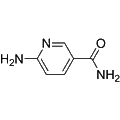
6-Aminonicotinamide is a competitive inhibitor of glucose-6-phosphate dehydrogenase (G6PD) with a Ki value of 0.46 μM. This powerful antimetabolite of nicotinamide induces ATP depletion, enhancing the efficacy of DNA-crosslinking chemotherapy agents such as Cisplatin. Its ability to modulate metabolic pathways makes it a valuable tool in cancer research and therapeutic applications.
CPP11G is a selective inhibitor of NADPH oxidase 2 (Nox2), exhibiting an IC50 of 20 μM. This compound is valuable for the investigation of inflammatory diseases, such as vasculitis and atherosclerosis, as well as conditions characterized by Nox2 overactivation, including ischemia-reperfusion injury. Its potential applications in research can aid in understanding the role of Nox2 in various pathological processes.
Out of stock
All 3 sizes
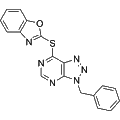
VAS2870 is a selective inhibitor of NADPH oxidase (NOX), primarily targeting NOX1 and NOX2 isoforms. This compound exhibits strong antioxidant properties and effectively reduces reactive oxygen species (ROS) production. VAS2870 is widely utilized in research related to oxidative stress, inflammation, and various pathological conditions associated with NOX activity.
GKT136901 is a selective and orally active inhibitor of NADPH oxidases NOX1 and NOX4, exhibiting inhibition constants (Kis) of 160 nM and 165 nM, respectively. This compound also serves as a direct scavenger of peroxynitrite, contributing to its anti-inflammatory properties. GKT136901 is particularly useful in research focused on diabetic nephropathy, stroke, and neurodegenerative diseases, providing valuable insights into oxidative stress-related pathologies.
NoxA1ds is a selective inhibitor of NADPH oxidase 1 (NOX1), with an IC50 of 20 nM. It effectively inhibits NOX1-derived superoxide production in HT-29 human colon cancer cells. Additionally, NoxA1ds reduces VEGF-induced migration of human pulmonary artery endothelial cells under hypoxic conditions in vitro. This reagent is valuable for research into hypertension, atherosclerosis, and cancer biology.
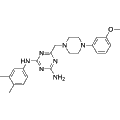
NADPH oxidase-IN-1 is an orally active inhibitor of NADPH oxidase (Nox), specifically targeting Nox2 and Nox4 with IC50 values of 1.9 μM and 2.47 μM, respectively. This compound is notable for its ability to penetrate the blood-brain barrier, making it relevant for studies involving neuronal inflammation. NADPH oxidase-IN-1 effectively suppresses the production of pro-inflammatory cytokines and inhibits LPS-mediated microglial migration, demonstrating promising in vivo efficacy for potential therapeutic applications in neuroinflammatory conditions.
GKT136901 hydrochloride is a highly selective and orally active inhibitor of NADPH oxidase isozymes NOX1 and NOX4, exhibiting inhibition constants of 160 nM and 165 nM, respectively. This compound also functions as a direct scavenger of peroxynitrite, enhancing its therapeutic potential. GKT136901 hydrochloride is primarily utilized in research settings focusing on diabetic nephropathy, stroke, and neurodegenerative diseases, while also demonstrating notable anti-inflammatory properties.
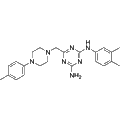
GLX481304 is a selective inhibitor of Nox2 and Nox4, exhibiting an IC50 of 1.25 μM. This compound effectively suppresses reactive oxygen species (ROS) production in isolated mouse cardiomyocytes and enhances cardiac contractility. GLX481304 is applicable in research focused on ischemic heart injury, providing valuable insights into oxidative stress-related pathophysiology.
Synonyms: ML-090
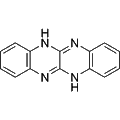
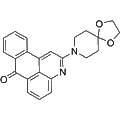
Fluoflavine is a selective inhibitor of NOX1 and reactive oxygen species (ROS) production. This compound effectively reduces ROS levels, NOX1-mediated signaling pathways, and prevents retinal ganglion cell death induced by oxygen-glucose deprivation. In preclinical studies, Fluoflavine has demonstrated the ability to inhibit NADPH oxidase activity and mitigate pathological retinal neovascularization in models of oxygen-induced retinopathy. It is a valuable tool for investigating retinal ischemia-reperfusion injury and proliferative retinopathy.
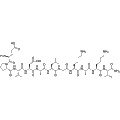
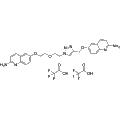
NOX2-IN-2 diTFA is a potent inhibitor of NOX2, specifically targeting the p47phox-p22phox protein-protein interaction with a Ki of 0.24 μM. This compound effectively inhibits reactive oxygen species (ROS) production derived from NOX2 in cellular environments. It is valuable for research applications focused on oxidative stress and related signaling pathways.
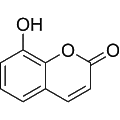
8-Hydroxycoumarin is an important intermediate in the microbial transformation of quinolones. It serves as a valuable building block in organic synthesis and is utilized in research focusing on metabolic pathways of various compounds. Its unique structural properties enable exploration in pharmacology and biochemistry, facilitating the study of enzymatic processes and potential therapeutic agents.
NOX2-IN-3 is a selective inhibitor of NADPH Oxidase 2 (NOX2). This compound has been shown to enhance the sensitivity of tumor cells to MRTX1133, indicating its potential role in cancer research. NOX2-IN-3 may be valuable for studies focused on oxidative stress and its implications in tumor biology.
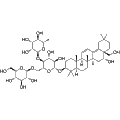
Saikosaponin bk1 is a specific binder for the dehydrogenase domain of NADPH oxidase 5 (NOX5), exhibiting hepatoprotective properties. It forms stable interactions with the NOX5 enzyme derived from Cylindrospermum stagnale, making it a valuable tool in studies of oxidative stress. This compound is particularly relevant in research focused on COVID-19 and alcoholic liver injury, contributing to the understanding of these conditions at a molecular level.
Out of stock
All 3 sizes
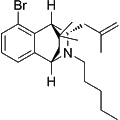
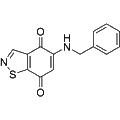
N-Benzyl-N-demethylpronqodine A is an inhibitor of NAD(P)H:quinone acceptor oxidoreductase 1 (NQO1), exhibiting an IC50 value of 83.3 nM. This compound plays a significant role in the study of redox biology and the mechanisms of cellular response to oxidative stress. Its application includes investigating the implications of NQO1 inhibition in various disease models, facilitating research in cancer biology and drug metabolism.
Out of stock
All 3 sizes
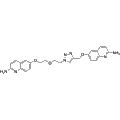
NOX2-IN-2 is a potent inhibitor of NOX2, specifically targeting the p47phox-p22phox protein-protein interaction with a Ki of 0.24 μM. This compound effectively reduces reactive oxygen species (ROS) production mediated by NOX2 in cellular contexts. NOX2-IN-2 is ideal for research applications focused on oxidative stress, inflammation, and related signaling pathways.
Out of stock
All 3 sizes