- Cat. No.
- A13276
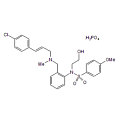
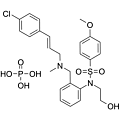
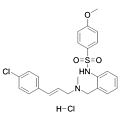
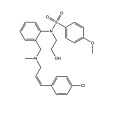
KN-93
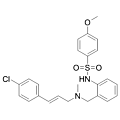
KN-93 is an inhibitor of multifunctional Ca++/calmodulin-dependent protein kinase.
Search by product name, CAS, target or catalog number. Press Down Arrow to reach product suggestions, Tab to move between links, and Escape to close suggestions.
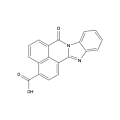
CaMK inhibitors block calcium- and calmodulin-dependent protein kinases (CaMKs) in calcium signaling. Calcium/calmodulin-dependent protein kinase II (CaMKII), a multisubunit enzyme abundant at synapses, is central to synaptic strengthening and memory formation, as reviewed in 2002. KN-93, first reported in 1991, and the related isoquinolinesulfonamide KN-62 are classical CaMKII inhibitors. The set also lists KN-93 phosphate and (E)-KN-93 phosphate, salt forms of the same inhibitor. A-484954 targets eukaryotic elongation factor 2 kinase (eEF2K), historically called CaMK III, which controls protein synthesis. The category is mixed and contains protein kinase D (PKD) inhibitors such as kb NB 142-70 and CID 755673, which act on related kinases.
KN-93 is an inhibitor of multifunctional Ca++/calmodulin-dependent protein kinase.
Synonyms: KN93
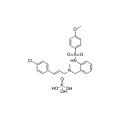
KN-93 Phosphate is a potent and specific inhibitor of Ca2+/calmodulin-dependent protein kinase II (CaMKII) with Ki of 0.37 μM, no remarkable inhibitory effects on APK, PKC, MLCK or Ca2+-PDE activities.
KN-93 phosphate is a novel membrane-permeant synthetic inhibitor of purified neuronal CaMK-II, with Ki of 370 nM.
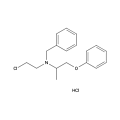
Phenoxybenzamine is a cell-permeable, non-specific, irreversible α-adrenergic (AR) antagonist that also acts as an CaM inhibitor.
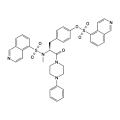
KN-62 is a selective, cell-permeable inhibitor of CaM kinase II.
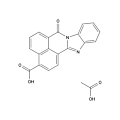
A-484954 is a potent, selective inhibitor of eukaryotic longation factor-2 kinase (eEF2K).
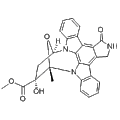
K252a is a highly potent cell permeable inhibitor of CaM kinase and phosphorylase kinase (IC50 = 1.8 and 1.7 nmol/L, respectively).
Out of stock
All 3 sizes
KN-92 is an inactive derivative of KN-93. KN-93 is a selective inhibitor of Ca2+/calmodulin-dependent kinase II (CaMKII), competitively blocking CaM binding to the kinase (Ki = 370 nM).
KN-92 hydrochloride is a negative control for KN-93.
KN-92 is an inactive derivative of KN-93. KN-93 is a selective inhibitor of Ca2+/calmodulin-dependent kinase II (CaMKII), competitively blocking CaM binding to the kinase (Ki = 370 nM).
STO-609 is a cell-permeable inhibitor of calcium/calmodulin-dependent kinase kinases (CaMKK) isoforms CaMKKα and CaMKKβ (Ki = 80 and 15 ng/ml, respectively).
Synonyms: R 24571
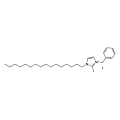
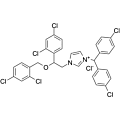
Calmidazolium chloride (R 24571) is a calmodulin (CaMK) antagonist, antagonizing CaM-dependent phosphodiesterase and calmodulin-induced activation of erythrocyte Ca2+-transporting ATPase with IC50s of 0.15 and 0.35 μM, respectively. Also in anti-cancer research. Calmidazolium binds to CaMK with a Kd of 3 nM.
Synonyms: FR236924
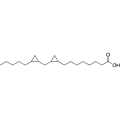
DCP-LA (FR236924), a linoleic acid derivative, selectively and directly activates PKCε.
Synonyms: Methophenazine
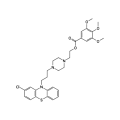
Metofenazate is a selective calmodulin inhibitor.
Synonyms: SMP 114
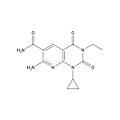
Rimacalib is a Ca2+/calmodulin-dependent protein kinase II (CaMKII) inhibitor, with IC50s of ~1 μM for CaMKIIα to ~30 μM for CaMKIIγ.
STO-609 is a selective and cell-permeable inhibitor of the Ca2+/calmodulin-dependent protein kinase kinase (CaM-KK), with Ki values of 80 and 15 ng/mL for recombinant CaM-KKα and CaM-KKβ, respectively.
CaMKII-IN-1 is a potent and highly selective CaMKII inhibitor with IC50 of 63 nM.
Synonyms: CGS-9343B; KW 5617
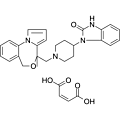
Zaldaride maleate (CGS-9343B) is a potent and selective inhibitor of calmodulin.
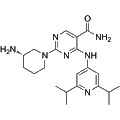
CAMK1D-IN-1 (compound I) is a CAMK1D inhibitor that targets tumor cells resistant to cytotoxic T lymphocyte (CTL)-mediated killing. CAMK1D suppresses CTL-induced death receptor signaling and apoptosis through caspase inhibition, making it a promising therapeutic target for PD-L1-refractory tumors.
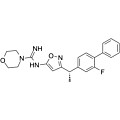
AR420626 is a selective agonist of free fatty acid receptor 3 (FFAR3, also known as GPR41), with an IC₅₀ of 117 nM. It demonstrates anti-inflammatory, antitumor, and antidiabetic activities. AR420626 improves neurogenic diarrhea by modulating neural pathways mediated by nicotinic acetylcholine receptors (nAChRs). In cancer models, it suppresses the growth of HepG2 xenografts and inhibits hepatoma cell proliferation through apoptosis induction. Additionally, AR420626 mitigates allergic asthma and eczema and enhances glucose uptake by activating FFAR3-mediated Ca²⁺ signaling, offering potential therapeutic benefits in metabolic disorders such as diabetes.
CS640 is a selective inhibitor of calmodulin-dependent kinase 1D (CaMK1D) with additional activity against several other kinases, including CaMK1B, CaMK1A, and MEK5, demonstrating IC50 values of 8 nM, 3 nM, 1 nM, and 25 nM, respectively. This compound effectively inhibits Aβ-induced hyperphosphorylation of tau protein at the Thr181 site, making it valuable for studies on tau pathology. While CS640 does not provide protective effects against Aβ-induced neurotoxicity in primary mouse cortical neurons, it is useful for research focusing on the mechanisms of Alzheimer's disease.
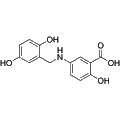
Lavendustin C is a selective inhibitor of calcium/calmodulin-dependent kinase II (CaMK II), exhibiting an IC50 of 0.2 µM. In addition to its primary mechanism, Lavendustin C also targets epidermal growth factor receptor (EGFR)-associated tyrosine kinase with an IC50 of 0.012 µM and pp60c-src(+) kinase at an IC50 of 0.5 µM. This compound is valuable in research applications focused on signaling pathways involving CaMK II and its associated kinases, aiding in the study of various cellular processes and potential therapeutic interventions.
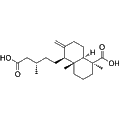
Junicedric acid is a diterpenoid compound that functions as an activator of Protein Kinase C (PKC) and calcium/calmodulin-dependent protein kinase II (CaMKII). This compound exhibits neuroprotective properties by elevating intracellular calcium levels in hippocampal neurons, thereby mitigating amyloid-β oligomer-induced synaptic protein loss, apoptosis, and inhibition of long-term potentiation (LTP). Junicedric acid serves as a valuable tool for investigating the pathological mechanisms underlying neurodegenerative diseases, including Alzheimer’s disease.
Out of stock
All 3 sizes
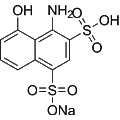
CaMKP Inhibitor Sodium targets Ca2+/neutral protein-dependent protein kinase (CaMKP) and its nuclear variant (CaMKP-N), exhibiting IC50 values of 6.4 μM and 6.6 μM, respectively. This compound suppresses CaMKP-mediated phospho-CaMKI hydrolysis while leaving protein phosphatases PP2C and calcineurin unaffected. CaMKP plays a critical role in various cellular processes involving serine/threonine phosphorylation, making this inhibitor valuable for research into calcium-dependent signaling pathways and protein regulation.