
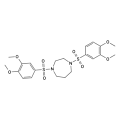
- Cat. No.
- A12759
SB756050
SB756050 is a selective TGR5 agonist currently in phase 1clinical trials for the treatment of type 2 diabetes.
In stock
View Details
Search by product name, CAS, target or catalog number. Press Down Arrow to reach product suggestions, Tab to move between links, and Escape to close suggestions.
GPCR19 agonists and antagonists act on a G protein-coupled receptor that is activated by bile acids. Takeda G protein-coupled receptor 5 (TGR5), also called G protein-coupled bile acid receptor 1 (GPBAR1), was described as a membrane bile acid receptor in 2002 and 2003. Bile acid binding raises cyclic adenosine monophosphate (cAMP) levels inside the cell. A 2009 mouse study showed that TGR5 signaling in enteroendocrine L cells promotes glucagon-like peptide-1 (GLP-1) release and controls glucose homeostasis. INT-777, BAR501 and TC-G 1005 are TGR5 agonists, while SBI-115 blocks the receptor. INT-767 and BAR502 also activate the farnesoid X receptor (FXR), a nuclear bile acid receptor.
SB756050 is a selective TGR5 agonist currently in phase 1clinical trials for the treatment of type 2 diabetes.
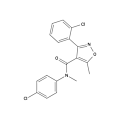
TGR5 Receptor Agonist is a potent TGR5(GPCR19) agonist, showed improved potency in the U2-OS cell assay (pEC50 = 6.8) and in melanophore cells (pEC50 = 7.5).
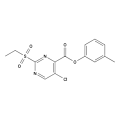
SBI-115 is a TGR5 (GPCR19) antagonist. SBI-115 decreases hepatic cystogenesis with polycystic liver diseases via inhibiting TGR5.
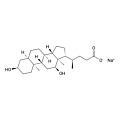
Synonyms: Sodium deoxycholate
Sodium deoxycholate is a bile acid formed by bacterial action from cholate. It is usually conjugated with glycine or taurine. Deoxycholic acid acts as a detergent to solubilize fats for intestinal absorption, is reabsorbed itself, and is used as a choleretic and detergent.
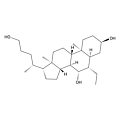
BAR501 is a potent and selective agonist of GPBAR1 with an EC50 of 1 μM.
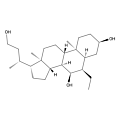
BAR502 is a dual FXR and GPBAR1 agonist with IC50 values of 2 μM and 0.4 μM, respectively.
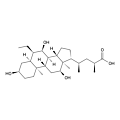
Synonyms: S-EMCA
INT-777 is a potent TGR5 agonist with an EC50 of 0.82 μM.
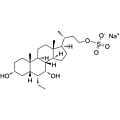
INT-767 is a dual farnesoid X receptor (FXR)/TGR5 agonist with mean EC50s of 30 and 630 nM, respectively.
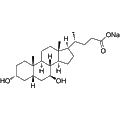
Synonyms: Ursodeoxycholate sodium; Ursodiol sodium; UCDA sodium
Ursodeoxycholic acid sodium is a potent agonist of the G-protein coupled receptor 19 (GPCR19) and antagonist of the farnesoid X receptor (FXR). This secondary bile acid plays a crucial role in maintaining intestinal barrier integrity and regulating lipid metabolism. Its ability to modulate bile acid-activated receptors makes it valuable for investigating various hepatic and gastrointestinal diseases. Ursodeoxycholic acid sodium is also orally active, making it suitable for diverse in vitro and in vivo research applications.
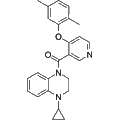
TC-G 1005 is a selective agonist of the Takeda G protein-coupled receptor 5 (TGR5), demonstrating potent activity with EC50 values of 0.72 nM for human TGR5 and 6.2 nM for mouse TGR5. This compound has been shown to effectively reduce glucose levels in vivo, making it a valuable tool for researching metabolic disorders and the role of TGR5 in glucose homeostasis. Its oral bioactivity supports its application in various pharmacological studies related to energy metabolism and diabetic therapies.
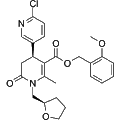
TGR5 Receptor Agonist 4 is a potent agonist of the bile acid receptor TGR5, exhibiting an EC50 of 2 nM for human TGR5 and 3 nM for mouse TGR5. This compound is instrumental in studies focusing on glucose metabolism and weight management. Its activation of TGR5 contributes to hypoglycemic effects and enhances energy expenditure, making it valuable for research in metabolic disorders.
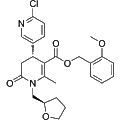
(4′R)-TGR5 Receptor Agonist 4 is an R enantiomer that selectively targets the TGR5 receptor, a bile acid receptor essential in metabolic regulation. It exhibits high potency with EC50 values of 2 nM for human TGR5 and 3 nM for mouse TGR5. This compound is important for studies related to hypoglycemia and weight management, facilitating research into therapeutic strategies for metabolic disorders.
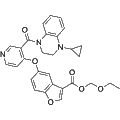
TGR5 Receptor Agonist 3 (Compound 19) is a selective agonist for the G-protein-coupled bile acid receptor 1 (TGR5), demonstrating enhanced safety by minimizing gallbladder-filling effects. It exhibits effective activation of human TGR5 with an EC50 of 16.4 nM and mouse TGR5 with an EC50 of 209 nM. This compound is valuable in research applications focusing on metabolic regulation, energy expenditure, and bile acid signaling pathways.
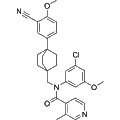
FXR/TGR5 agonist 1 is a potent agonist of the G protein-coupled receptor TGR5 (GPBAR1) and also activates farnesoid X receptor (FXR). This compound demonstrates key biological activity in regulating metabolic pathways associated with lipid metabolism and inflammation. It is primarily utilized in research applications focusing on fatty liver disease and related metabolic disorders.
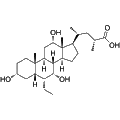
Synonyms: S-EMCA R enantiomer
INT-777 (R-enantiomer) is a selective agonist of the TGR5 receptor, exhibiting an EC50 value of 4.79 μM. This compound plays a significant role in studying metabolic disorders and gastrointestinal physiology due to its activation of TGR5. Research applications include investigations into energy homeostasis, insulin sensitivity, and the modulation of bile acid signaling pathways.
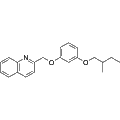
GPBAR1-IN-3 is a selective agonist for the G protein-coupled receptor GPBAR1, exhibiting an EC50 of 0.17 μM. Additionally, it functions as an antagonist of the CysLT1 receptor. This compound is valuable for research into inflammatory processes and potential therapeutic strategies involving GPBAR1 activation and CysLT1R inhibition in various biological contexts.
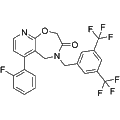
GPBAR-A is a selective agonist of the G protein-coupled bile acid receptor GPBAR1. This compound demonstrates significant biological activity in modulating metabolic pathways, making it valuable for research related to diabetes mellitus. GPBAR-A enables the investigation of bile acid signaling and its potential therapeutic effects on metabolic disorders.
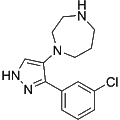
5-HT7R antagonist 1 (free base) is a selective antagonist of the serotonin 5-HT7 receptor, exhibiting a Ki value of 6.5 nM. This compound functions as a G protein-biased antagonist, modulating signaling pathways mediated by this receptor. It is primarily utilized in research applications focused on neuropharmacology and exploring the role of 5-HT7R in various physiological and pathological processes.
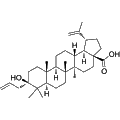
RG-239 is a selective TGR5 agonist with an EC50 of 120 nM, exhibiting superior potency compared to Betulinic acid (EC50 = 1.04 μM). It enhances mitochondrial activity in adipocytes and promotes neurite outgrowth at elevated concentrations. Additionally, RG-239 effectively inhibits LPS-induced iNOS expression and nitrite production in Raw264.7 macrophages and microglial cells. This compound is valuable for studies related to type 2 diabetes and neurodegenerative disorders.
Out of stock
All 3 sizes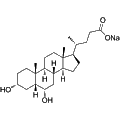
Synonyms: HDCA sodium
Hyodeoxycholic acid sodium is a potent agonist of the G protein-coupled bile acid receptor 1 (GPBAR1, also known as TGR5). It is a secondary bile acid produced in the small intestine by gut microbiota, demonstrating biological activity with an EC50 of 31.6 µM in Chinese Hamster Ovary (CHO) cells. This compound is valuable for research applications focused on metabolic regulation and signaling pathways associated with bile acids.
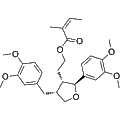
LT-188A is a potent agonist of TGR5, exhibiting an EC50 value of 23 μM. This compound has been shown to reduce the levels of inflammatory mediators in macrophages, suggesting its potential utility in inflammation-related research. Its role in modulating immune responses makes LT-188A valuable for investigating TGR5-related pathways and therapeutic applications in inflammatory diseases.
Out of stock
All 3 sizes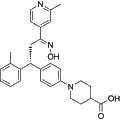
RO5527239 is an orally active agonist of the TGR5 receptor, which stimulates enteroendocrine L cells to increase the secretion of the endogenous hormone GLP-2. This compound demonstrates potential in modulating gastrointestinal functions and may aid in research surrounding metabolic disorders. Its activation of TGR5 highlights its significance in studies focused on energy homeostasis and gut hormone dynamics.
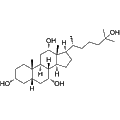
Synonyms: 3α,7α; 12α; 25-Tetrahydroxycoprostane
5β-Cholestane-3α,7α,12α,25-tetrol is a potent TGR5 activator, exhibiting an EC50 of 1.36 μM. This bile acid alcohol plays a significant role in regulating metabolic processes and has shown promising biological activity relevant to energy expenditure and glucose metabolism. Additionally, it serves as a crucial disease marker in Cerebrotendinous xanthomatosis (CTX), making it valuable for research into bile acid signaling and related metabolic disorders.
Out of stock
All 3 sizes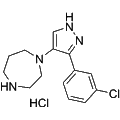
5-HT7R Antagonist 1 is a G protein-coupled receptor antagonist that selectively inhibits the 5-HT7 receptor, with a Ki value of 6.5 nM. This compound is primarily utilized in research exploring serotonergic signaling pathways and their implications in neuropsychiatric disorders. Its inhibition of 5-HT7R can aid in understanding the receptor's role in various physiological and pathological processes.
Out of stock
All 3 sizes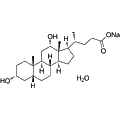
Synonyms: Cholanoic Acid sodium hydrate; Desoxycholic acid sodium hydrate
Deoxycholic acid sodium hydrate is a bile acid that functions as an activator of the G protein-coupled bile acid receptor TGR5. It plays a significant role in lipid metabolism and has been implicated in various physiological processes, including glucose homeostasis and energy expenditure. This compound is commonly used in research applications focused on metabolic disorders, liver function, and signaling pathways influenced by bile acids.
Out of stock
All 3 sizes